

What is the performance of a copper bus duct under different ambient temperatures?
Nov 12, 2025
Leave a message
Hey there! As a supplier of copper bus ducts, I've seen firsthand how important it is to understand how these things perform under different ambient temperatures. You see, copper bus ducts are a key part of electrical distribution systems, used in all sorts of buildings and industrial setups to carry electric current. And the ambient temperature can have a big impact on how well they work.
Let's start with the basics. Copper is a great conductor of electricity, which is why it's so commonly used in bus ducts. But like any material, its properties change with temperature. At normal room temperature (around 20 - 25°C), copper bus ducts work pretty much as expected. They have low resistance, which means they can carry a large amount of current with minimal power loss. This is crucial for efficient electrical distribution.
When the ambient temperature starts to rise, things get a bit more complicated. As the temperature goes up, the resistance of copper also increases. This is due to the fact that the atoms in the copper vibrate more vigorously at higher temperatures, making it harder for electrons to flow through the material. For every degree Celsius increase in temperature, the resistance of copper increases by about 0.393%. This might not seem like much, but over a large bus duct system, it can add up quickly.
Higher resistance means more power is lost as heat. In an electrical system, this heat can be a real problem. It can cause the bus duct to overheat, which not only reduces its efficiency but can also damage the insulation around the copper bars. The Sandwich Bus Duct Insulation is designed to protect the copper conductors and prevent electrical shorts, but excessive heat can degrade the insulation over time. This can lead to safety hazards and costly repairs.
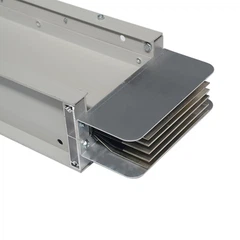
Another issue with high temperatures is thermal expansion. Copper expands when it gets hot, and if the bus duct isn't designed to accommodate this expansion, it can cause mechanical stress on the system. This stress can lead to loose connections, which further increase resistance and heat generation. At extreme temperatures, the expansion can even cause physical damage to the bus duct, such as bending or cracking of the copper bars or the Bus Duct Flange.
On the other hand, low ambient temperatures also have their own set of challenges. At very cold temperatures, copper becomes more brittle. This means it's more likely to crack or break under mechanical stress. In addition, the insulation materials used in bus ducts can also become less flexible at low temperatures, which can make them more prone to damage.
Cold temperatures can also affect the electrical properties of the bus duct in a different way. The lower temperature reduces the resistance of copper, which might seem like a good thing at first. However, it can also lead to an increase in current flow if the system is not properly designed. This can overload the bus duct and cause other components in the electrical system to malfunction.
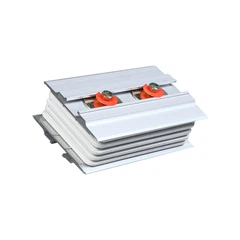
So, how do we deal with these temperature-related issues? Well, as a supplier, we design our copper bus ducts to be as resilient as possible. We use high-quality insulation materials that can withstand a wide range of temperatures. Our Busway Junction is engineered to handle thermal expansion and contraction without compromising the integrity of the connection.
We also offer different types of bus ducts for different environments. For high-temperature areas, we have bus ducts with enhanced cooling features. These might include fins or ventilation channels to help dissipate heat more effectively. In cold environments, we use insulation materials that remain flexible at low temperatures and provide additional protection against mechanical stress.
It's also important to monitor the temperature of the bus duct system regularly. This can be done using temperature sensors installed at key points in the system. By keeping an eye on the temperature, we can detect any potential problems early and take corrective action before they cause serious damage.
In conclusion, the performance of a copper bus duct is highly dependent on the ambient temperature. Whether it's hot or cold, there are unique challenges that need to be addressed. But with the right design, materials, and monitoring, we can ensure that our copper bus ducts perform reliably in a wide range of environments.
If you're in the market for copper bus ducts and want to learn more about how they'll perform in your specific environment, don't hesitate to reach out. We're here to help you find the best solution for your electrical distribution needs. Let's have a chat and see how we can work together to make your project a success.
References


- "Electrical Conductivity of Copper at Different Temperatures" - Electrical Engineering Handbook
- "Thermal Expansion and Contraction in Electrical Systems" - Journal of Electrical Components and Systems
Send Inquiry