

Can a Bus Duct Tap Off Unit be used in hazardous areas?
Apr 17, 2026
Leave a message
Can a Bus Duct Tap Off Unit be used in hazardous areas?
As a supplier of Bus Duct Tap Off Units, I often encounter inquiries regarding the suitability of our products for use in hazardous areas. This is a critical question, as the safety and reliability of electrical systems in such environments are of utmost importance. In this blog post, I will explore the factors that determine whether a Bus Duct Tap Off Unit can be used in hazardous areas and provide insights based on industry standards and best practices.
Understanding Hazardous Areas
Hazardous areas are defined as locations where there is a risk of explosion or fire due to the presence of flammable gases, vapors, dusts, or fibers. These areas are classified into different zones based on the likelihood and duration of the presence of the hazardous substance. For example, Zone 0 is an area where an explosive gas atmosphere is present continuously or for long periods, while Zone 1 is an area where an explosive gas atmosphere is likely to occur in normal operation.


The classification of hazardous areas is crucial for determining the appropriate electrical equipment to be used. Electrical equipment used in hazardous areas must be designed and certified to prevent the ignition of the hazardous substance. This involves measures such as preventing the generation of sparks, limiting surface temperatures, and ensuring the integrity of the enclosure.
Features of Bus Duct Tap Off Units
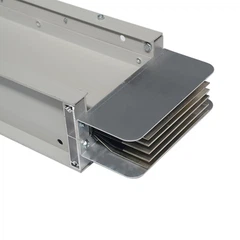
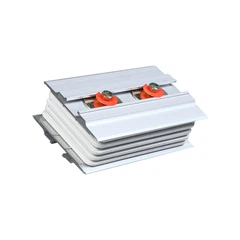
Bus Duct Tap Off Units are an essential component of electrical distribution systems. They allow for the connection of electrical loads to a bus duct, which is a prefabricated metal enclosure that houses electrical conductors. Bus Duct Tap Off Units provide a convenient and flexible way to distribute power to multiple loads in a building or industrial facility.
Our Bus Duct Tap Off Units are designed with several features that make them suitable for a wide range of applications. They are constructed with high-quality materials to ensure durability and reliability. The units are also designed to provide easy access for maintenance and inspection. Additionally, our Bus Duct Tap Off Units are available in various configurations to meet the specific requirements of different projects.
Suitability for Hazardous Areas
The suitability of a Bus Duct Tap Off Unit for use in hazardous areas depends on several factors. One of the most important factors is the type of hazardous substance present in the area. Different hazardous substances have different ignition characteristics, and the electrical equipment must be designed to prevent ignition under the specific conditions.
Another factor is the zone classification of the hazardous area. As mentioned earlier, different zones have different requirements for electrical equipment. For example, equipment used in Zone 0 must be designed to provide a higher level of protection than equipment used in Zone 1.
In addition to the type of hazardous substance and the zone classification, other factors such as the installation method, the environmental conditions, and the maintenance requirements also need to be considered. The installation of the Bus Duct Tap Off Unit must be carried out in accordance with the relevant standards and regulations to ensure the safety of the system.
Certification and Standards
To ensure the safety of electrical equipment used in hazardous areas, it must be certified by a recognized certification body. The certification process involves testing the equipment to ensure that it meets the relevant standards and requirements. In the case of Bus Duct Tap Off Units, the most common standards are the International Electrotechnical Commission (IEC) standards and the National Electrical Code (NEC) in the United States.
Our Bus Duct Tap Off Units are designed and manufactured in accordance with the relevant international standards. We work closely with certification bodies to ensure that our products meet the strict requirements for use in hazardous areas. This gives our customers the confidence that our products are safe and reliable.
Examples of Applications in Hazardous Areas
There are several industries where Bus Duct Tap Off Units are used in hazardous areas. One such industry is the oil and gas industry. In oil refineries and petrochemical plants, there is a high risk of explosion due to the presence of flammable gases and vapors. Bus Duct Tap Off Units used in these facilities must be designed to meet the strict safety requirements.
Another industry is the chemical industry. Chemical plants often handle hazardous substances such as solvents and chemicals, which can pose a fire and explosion risk. Bus Duct Tap Off Units used in chemical plants must be able to withstand the harsh environmental conditions and prevent the ignition of the hazardous substances.
Related Products
In addition to Bus Duct Tap Off Units, we also offer a range of related products that are suitable for use in electrical distribution systems. These include Rising Mains Bus Duct, Bus Duct Flange, and Busway Horizontal Elbow. These products are designed to work together to provide a comprehensive electrical distribution solution.
Conclusion
In conclusion, a Bus Duct Tap Off Unit can be used in hazardous areas, provided that it is designed and certified to meet the relevant safety requirements. The suitability of the unit depends on factors such as the type of hazardous substance, the zone classification, and the installation and maintenance requirements. Our company is committed to providing high-quality Bus Duct Tap Off Units that are suitable for use in hazardous areas. We work closely with our customers to understand their specific requirements and provide customized solutions.
If you are interested in learning more about our Bus Duct Tap Off Units or other electrical distribution products, please feel free to contact us. We would be happy to discuss your project requirements and provide you with a detailed quotation. Our team of experts is available to assist you with any technical questions or concerns you may have.
References
- International Electrotechnical Commission (IEC) standards
- National Electrical Code (NEC)
- Industry guidelines for electrical equipment in hazardous areas
Send Inquiry