

Can a Bus Duct Tap Off Unit be used in a low - humidity environment?
Apr 16, 2026
Leave a message
In the realm of electrical distribution systems, the Bus Duct Tap Off Unit stands as a pivotal component, facilitating the efficient and safe transfer of electrical power. As a leading supplier of these essential units, I often encounter numerous inquiries from clients regarding their applicability in various environments. One prevalent question that has emerged in recent discussions is whether a Bus Duct Tap Off Unit can be used in a low - humidity environment. In this blog, I aim to explore this topic in depth, drawing on scientific knowledge and practical experience to provide a comprehensive answer.


Understanding the Bus Duct Tap Off Unit
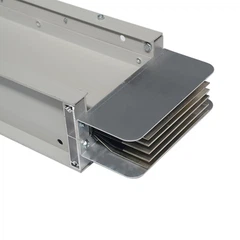
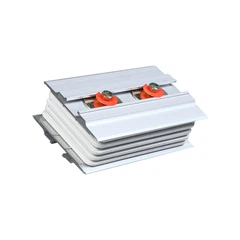
Before delving into the specific question of its use in low - humidity environments, it is essential to understand what a Bus Duct Tap Off Unit is and how it functions. A Bus Duct Tap Off Unit is a device that allows for the extraction of electrical power from a bus duct at specific points. It provides a way to connect various electrical loads, such as motors, machinery, and lighting systems, to the main power distribution system.
Bus duct systems come in different types, including Phase Segregated Bus Duct and Aluminum Bus Duct. The Bus Duct Tap Off Unit works in conjunction with these systems, ensuring that power can be safely and effectively delivered to where it is needed.
The Role of Humidity in Electrical Systems
Humidity is a measure of the amount of water vapor present in the air. In electrical systems, humidity can play a significant role in the performance and longevity of components. High humidity levels can lead to issues such as corrosion, condensation, and electrical leakage. Condensation, in particular, can cause short - circuits and damage to electrical insulation, potentially leading to system failures and safety hazards.
On the other hand, low humidity can also present challenges. In a low - humidity environment, static electricity can build up more easily. Static electricity can cause damage to electronic components, attract dust and debris, and even lead to electrical discharges that can disrupt the normal operation of electrical systems.
Can a Bus Duct Tap Off Unit be Used in a Low - Humidity Environment?
The short answer is yes, a Bus Duct Tap Off Unit can be used in a low - humidity environment. However, there are certain considerations and precautions that need to be taken to ensure its proper functioning.
Static Electricity Management
As mentioned earlier, low humidity can lead to the build - up of static electricity. To mitigate this risk, the Bus Duct Tap Off Unit should be properly grounded. Grounding provides a path for the static charge to dissipate safely into the earth, preventing it from accumulating and causing damage. Additionally, anti - static materials can be used in the construction of the unit and its surrounding environment. These materials help to reduce the generation and accumulation of static electricity.
Dust and Debris Protection
In a low - humidity environment, dust and debris are more likely to become airborne and attracted to electrically charged surfaces. Dust can accumulate on the Bus Duct Tap Off Unit, potentially causing overheating and reduced performance. To address this issue, the unit should be designed with proper sealing and protection. Sealed enclosures can prevent dust from entering the unit, while filters can be used to remove dust particles from the air that circulates around the unit.
Insulation Integrity
The insulation of the Bus Duct Tap Off Unit is crucial for its safe and efficient operation. In a low - humidity environment, the risk of moisture - related insulation degradation is reduced. However, other factors such as mechanical stress and electrical stress can still affect the insulation. Regular inspections and maintenance should be carried out to ensure the integrity of the insulation. This may include checking for signs of damage, such as cracks or abrasions, and testing the insulation resistance.
Advantages of Using a Bus Duct Tap Off Unit in a Low - Humidity Environment
Despite the challenges, there are also some advantages to using a Bus Duct Tap Off Unit in a low - humidity environment.
Reduced Corrosion Risk
With low humidity, the risk of corrosion is significantly reduced compared to high - humidity environments. Corrosion can damage the electrical conductors and connections in the Bus Duct Tap Off Unit, leading to increased resistance and potential power losses. In a low - humidity environment, the unit's components are less likely to corrode, resulting in a longer service life and more reliable performance.
Improved Electrical Performance
Low humidity can also contribute to improved electrical performance. Without the presence of excessive moisture, the electrical conductivity of the conductors remains more stable, and the risk of electrical leakage is minimized. This can lead to more efficient power transfer and reduced energy losses.
Practical Considerations for Implementation
When implementing a Bus Duct Tap Off Unit in a low - humidity environment, it is important to follow best practices.
System Design
The overall electrical system design should take into account the low - humidity conditions. This may include selecting appropriate materials for the bus duct and tap off unit that are resistant to static electricity and dust. The layout of the system should also allow for easy access to the unit for maintenance and inspections.
Monitoring and Maintenance
Regular monitoring of the Bus Duct Tap Off Unit is essential. This can include monitoring temperature, current, and insulation resistance. By detecting any potential issues early on, corrective actions can be taken to prevent system failures. Maintenance schedules should be established, and proper maintenance procedures should be followed to ensure the long - term reliability of the unit.
Contact for Procurement
If you are considering using a Bus Duct Tap Off Unit in a low - humidity environment or have any other inquiries about our products, we invite you to contact us for procurement discussions. Our team of experts is ready to provide you with detailed information and guidance to help you make the best decision for your electrical distribution needs.
References
- Electrical installation standards and guidelines
- Manufacturer's specifications for Bus Duct Tap Off Units
- Research papers on the impact of environmental conditions on electrical systems
Send Inquiry