

What is the environmental impact of manufacturing copper bus ducts?
Nov 12, 2025
Leave a message
Hey there! As a supplier of copper bus ducts, I've been thinking a lot about the environmental impact of manufacturing these essential electrical components. Copper bus ducts are widely used in electrical distribution systems, offering high conductivity, reliability, and flexibility. But like any manufacturing process, there are environmental implications that we need to consider.
Let's start with the raw material itself: copper. Copper is a natural resource that's mined from the earth. Mining operations can have significant environmental impacts, including habitat destruction, soil erosion, and water pollution. The extraction process often involves the use of large amounts of energy and water, and it can release harmful chemicals and heavy metals into the environment.
Once the copper is mined, it needs to be refined. Refining copper is an energy-intensive process that typically involves heating the ore to high temperatures to separate the copper from other metals and impurities. This process releases greenhouse gases, such as carbon dioxide, into the atmosphere, contributing to climate change. Additionally, the refining process can generate waste products, such as slag and tailings, which need to be properly managed to prevent environmental contamination.
After the copper is refined, it's shaped into bus ducts. This manufacturing process involves cutting, bending, and welding the copper, which also requires energy. For example, using machinery to cut the copper sheets to the right size and shape consumes electricity. And let's not forget about the energy used to operate the welding equipment. The more energy we use, the more we rely on fossil fuels in most cases, which further adds to our carbon footprint.
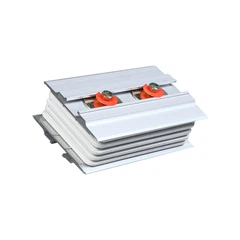
Another aspect to consider is the insulation used in copper bus ducts. Sandwich Bus Duct Insulation is commonly used to prevent electrical leakage and ensure safety. However, the production of insulation materials can also have environmental impacts. Many insulation materials are made from synthetic polymers, which are derived from petrochemicals. The production of these polymers requires large amounts of energy and can release toxic chemicals into the environment during manufacturing.
Transportation is also a factor. Once the copper bus ducts are manufactured, they need to be transported to customers. Whether it's by truck, train, or ship, transportation generates emissions. Trucks, for instance, burn diesel fuel, which releases pollutants like nitrogen oxides and particulate matter into the air. The longer the distance the bus ducts need to travel, the more emissions are produced.
But it's not all doom and gloom. There are ways to reduce the environmental impact of manufacturing copper bus ducts. First of all, we can focus on using recycled copper. Recycling copper requires significantly less energy compared to mining and refining new copper. In fact, recycling copper can save up to 85 - 90% of the energy needed for primary copper production. By using recycled copper, we can reduce our reliance on mining and decrease the associated environmental impacts.
We can also improve the energy efficiency of our manufacturing processes. This could involve upgrading our machinery to more energy - efficient models or implementing energy management systems. For example, using sensors to control the lighting and heating in the manufacturing facility can help reduce energy waste.
When it comes to insulation, we can look for more environmentally friendly alternatives. There are some bio - based insulation materials available that are made from renewable resources and have a lower environmental impact.


As for transportation, we can optimize our logistics. By planning more efficient routes and consolidating shipments, we can reduce the number of trips and, therefore, the emissions generated during transportation.
Now, let's talk about the long - term environmental benefits of copper bus ducts. Copper is a highly durable material. Copper bus ducts can last for decades, which means they don't need to be replaced as often as some other electrical components. This reduces the overall demand for new products and, in turn, the environmental impact associated with their manufacturing.
Copper also has excellent electrical conductivity. This means that copper bus ducts can transmit electricity more efficiently than some other materials. When electricity is transmitted more efficiently, less energy is wasted as heat. This not only saves energy but also reduces the demand for power generation, which often relies on fossil fuels.
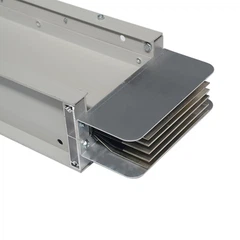
If you're in the market for high - quality copper bus ducts, we've got you covered. We offer a wide range of products, including 4000a Bus Duct and Bus Duct Flange. Our team is committed to minimizing the environmental impact of our manufacturing processes while providing you with reliable and efficient electrical solutions.
If you're interested in learning more about our copper bus ducts or have any questions about their environmental impact, don't hesitate to reach out. We're here to have a chat with you, answer your queries, and discuss how we can meet your specific needs. Let's work together to make your electrical projects more sustainable and efficient.
References
- Copper Development Association. (2023). The Environmental Impact of Copper Production.
- International Energy Agency. (2023). Energy Efficiency in Manufacturing Processes.
- United Nations Environment Programme. (2023). Sustainable Materials Management for the Electrical Industry.
Send Inquiry