

The Iterative Upgrade Of Anti-corrosion Busways
Oct 24, 2025
Leave a message
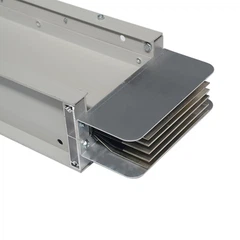
In response to highly corrosive environments such as coastal areas and chemical plants, anti-corrosion busways have undergone iterative upgrades in the market, adopting a "new composite anti-corrosion coating + fully sealed structure". This has significantly improved the corrosion resistance of the product compared with the previous generation, providing longer-lasting protection for power transmission in special environments.
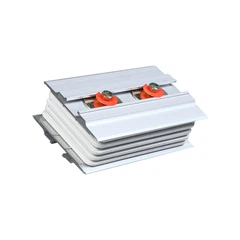
The upgraded anti-corrosion busway features an anti-corrosion coating sprayed on the surface of the enclosure, which is composed of composite materials such as epoxy resin and polytetrafluoroethylene (PTFE), boasting excellent acid resistance, alkali resistance, and salt spray resistance. The internal conductors are tin-plated to further enhance corrosion resistance. Meanwhile, all interfaces of the busway adopt a double-sealing design to prevent the intrusion of corrosive media. According to third-party testing, the busway can continuously withstand 3000 hours of salt spray testing without corrosion.
In addition, the installation method of the product is consistent with that of conventional busways, facilitating operation for construction personnel. The maintenance cycle has been extended to more than 5 years, reducing long-term maintenance costs.
In highly corrosive environments such as chemical plants, the service life of traditional busways is extremely short, requiring equipment replacement almost every year. However, the use of upgraded anti-corrosion busways can drastically reduce equipment maintenance costs. This iterative upgrade of anti-corrosion busways reflects the continuous attention to special scenario needs and in-depth technological cultivation in the market.
Send Inquiry