

Mass Production Of Nano-Ceramic Epoxy Resin
Aug 10, 2026
Leave a message
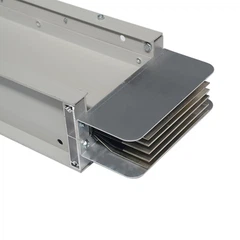
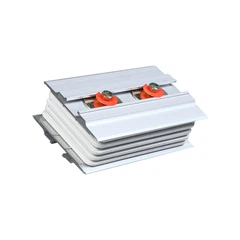
Recently, a domestic special chemical enterprise officially announced the mass production of nano-modified ceramicized epoxy resin insulating material. As a core upstream new insulating material for power equipment, it is directly applied to the core insulation structure of cast resin bus ducts and fire-resistant bus ducts. From the raw material end, it solves long-standing industry pain points of traditional bus ducts such as high-temperature rheology, insufficient waterproof performance and short fire resistance duration. It drives quality upgrading and scenario expansion of all types of bus duct products, and provides raw material support for upgrading power distribution equipment in energy storage, underground utility tunnel and coastal chemical projects.
Cast epoxy resins used in conventional bus ducts generally suffer from high-temperature softening and thermal creep flow. When exposed to open flames at 900°C, the insulation layer is prone to collapse, exposing conductors and triggering short circuits. Ordinary epoxy resins only deliver a fire resistance limit of 30 minutes, failing to meet the F120 fire resistance standard specified in the latest fire code. In addition, after long-term operation in coastal salt spray and high-humidity underground environments, conventional resins tend to develop tiny pores that allow water penetration, resulting in a sharp plummet of insulation resistance.
The newly mass-produced nano-modified ceramicized epoxy resin is modified by uniform doping of nano-ceramic powder. After curing and forming, a rigid network skeleton is formed inside the material. It can rapidly ceramicize and form a protective crust when exposed to high heat and flames, maintaining circuit integrity for 180 minutes under 1000°C flame and eliminating the melting and flowing of insulation layers. Its fire resistance performance is improved by over 200% compared with traditional resins. In terms of sealing performance, no capillary pores exist inside the formed material. The finished bus ducts can steadily maintain the highest IP68 protection rating, with stable insulation resistance under long-term immersion and salt spray corrosion conditions.
The mass production of this upstream new material brings multi-dimensional benefits to the bus duct industry.
First, product upgrading. Bus duct manufacturers can directly adopt the new resin to produce high-end DC cast bus ducts and outdoor fire-resistant cast bus ducts, which fit harsh-condition projects such as 1500V DC energy storage power stations, offshore wind power plants and sewage treatment plants. Differentiated products help manufacturers break vicious low-price competition in the low-end market.
Second, optimized production costs. After large-scale supply of domestic special resin, the raw material procurement cost of high-end cast bus ducts drops by approximately 15%, lowering the pricing threshold of premium fire-resistant bus ducts and facilitating their popularization in real estate and rail transit projects.
Third, improved industry compliance. The new material easily satisfies the mandatory fire protection requirements of the latest GB 50016 standard, helping manufacturers smoothly pass the 3C type tests and reduce the risk of failed fire acceptance at construction projects.
Send Inquiry