

Which is better, copper or aluminum high current busbars?
Jan 01, 2026
Leave a message
Alright, folks! As a supplier of high current busbars, I often get asked, "Which is better, copper or aluminum high current busbars?" It's a question that comes up time and time again, and today, I'm gonna break it down for you.
Conductivity
Let's start with conductivity. Copper is known for its excellent electrical conductivity. It has a lower resistivity compared to aluminum. This means that when you're dealing with high - current applications, copper can carry the same amount of electricity with less resistance. Less resistance translates to less power loss in the form of heat. For example, in a large industrial plant where there are high - power machinery running 24/7, using copper busbars can save a significant amount of energy over time.
On the flip side, aluminum also has decent conductivity. It's about 61% as conductive as copper. But here's the thing, aluminum is much lighter than copper. If you're working on a project where weight is a major concern, like in aerospace or some mobile power applications, aluminum busbars could be a great option. The lighter weight can also make installation easier and potentially reduce shipping costs.
Cost
When it comes to cost, aluminum has a clear advantage. Copper is more expensive than aluminum. The price of copper is often influenced by the global market demand and supply. In some industries where cost - cutting is crucial, aluminum high current busbars are the go - to choice. For instance, in a new construction project where multiple busbars are needed for a large electrical distribution system, using aluminum can result in substantial savings.
However, we need to consider the long - term costs. Since copper has better conductivity, the power savings over the life of the busbars can offset the initial higher cost. Also, copper is more durable and has a longer lifespan in many cases, which means fewer replacements and maintenance costs in the long run.
Corrosion Resistance
Copper is naturally more corrosion - resistant than aluminum. In environments where there is moisture, chemicals, or salt air, copper busbars will hold up better. For example, in a marine environment or a chemical plant, copper is less likely to corrode and degrade over time. This corrosion resistance contributes to the reliability and safety of the electrical system.


Aluminum can corrode, especially when it comes into contact with certain substances. But, there are ways to mitigate this issue. Aluminum busbars can be treated with protective coatings to enhance their corrosion resistance. These coatings can significantly extend the lifespan of the aluminum busbars in harsh environments.
Mechanical Properties
Copper is a tougher and more ductile material than aluminum. It can withstand more stress and bending without breaking. This makes copper high current busbars a great choice for applications where there might be mechanical vibrations or movements. For example, in a manufacturing plant with heavy machinery that causes vibrations, copper busbars are less likely to develop cracks or failures.
Aluminum, while not as strong as copper, is still quite workable. It can be easily formed into different shapes and sizes, which gives designers more flexibility in creating custom - made busbars. This is particularly useful in applications where the busbars need to fit into tight or unique spaces.
Applications
Let's talk about where each type of busbar shines. Copper high current busbars are commonly used in high - end electrical applications such as data centers, power generation plants, and critical electrical infrastructure. These applications require high reliability, low power loss, and long - term performance.
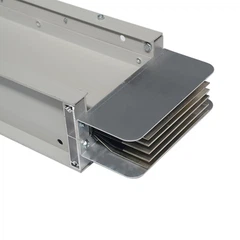
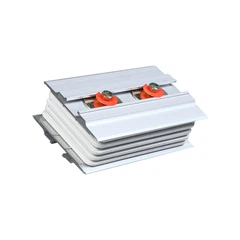
Aluminum high current busbars are widely used in commercial buildings, industrial factories where cost is a major factor, and in applications where weight is an issue. For example, Enclosed Busduct systems often use aluminum due to its cost - effectiveness and ease of installation. They are also used in Bus Duct Flange applications where the ability to form different shapes is important. Large - scale applications like 4000a Bus Duct may also opt for aluminum to balance cost and performance.
Making the Decision
So, which is better? Well, it really depends on your specific needs. If you're working on a high - end project where performance and reliability are non - negotiable, copper might be the better choice. But if cost, weight, or ease of customization are your top priorities, aluminum could be the way to go.
As a high current busbar supplier, I've seen all sorts of projects. I've helped customers choose the right material based on their unique requirements. Whether it's a small - scale commercial building or a large industrial complex, I've got the knowledge and experience to assist you.
If you're in the market for high current busbars and you're still not sure whether copper or aluminum is the best fit for your project, don't hesitate to reach out. I can provide more detailed information, offer product samples, and even help you with the design and installation process. Making the right decision about your busbars is crucial for the success of your electrical system, and I'm here to make that process easier for you.
References
- "Electrical Conductors: Copper and Aluminum" - Handbook of Electrical Engineering
- "Corrosion Resistance of Metals in Electrical Applications" - Journal of Electrical Materials Science
So, if you're ready to take the next step in your project, let's start the conversation about your high current busbar needs.
Send Inquiry