

What are the common maintenance problems of copper bus ducts?
Jan 01, 2026
Leave a message
Copper bus ducts are widely recognized for their high electrical conductivity, durability, and excellent performance in various electrical systems. As a reliable copper bus duct supplier, we understand the importance of maintaining these critical components to ensure their long - term functionality and safety. In this blog, we will delve into the common maintenance problems of copper bus ducts and offer some insights and solutions.
1. Oxidation and Corrosion
One of the most prevalent issues with copper bus ducts is oxidation and corrosion. Copper is a reactive metal, and when exposed to air, moisture, and certain chemicals, it can form a layer of copper oxide on its surface. Over time, this oxide layer can break down and cause further corrosion.
The presence of moisture in the environment is a significant contributor to this problem. In areas with high humidity, condensation can form on the surface of the bus duct, accelerating the oxidation process. Additionally, if the bus duct is installed in a chemical - rich environment, such as a factory where there are corrosive gases or liquids, the corrosion rate can be even faster.
Corrosion can lead to several negative consequences. Firstly, it increases the electrical resistance of the bus duct. As the resistance goes up, more energy is converted into heat during the electricity transmission process. This not only wastes energy but also poses a fire hazard, as excessive heat can cause the insulation materials around the bus duct to melt or catch fire. Secondly, corrosion can weaken the mechanical structure of the bus duct. A corroded bus duct may become brittle and prone to breakage, which can disrupt the normal operation of the electrical system.
To address this problem, we recommend using anti - oxidation coatings on the surface of the copper bus ducts. These coatings can act as a barrier between the copper and the environment, preventing direct contact with moisture and corrosive substances. Regular inspections are also crucial. Check the surface of the bus ducts periodically for signs of oxidation or corrosion. If any are found, immediate cleaning and repainting may be necessary.
2. Loose Connections
Another common maintenance problem is loose connections. In a copper bus duct system, there are numerous connection points, such as joints between sections of the bus duct and connections to electrical appliances. Over time, these connections can become loose due to vibrations, thermal expansion and contraction, or improper installation.
Vibrations in the electrical system can be caused by the operation of motors or other equipment. These vibrations can gradually loosen the bolts or clamps that hold the connections in place. Thermal expansion and contraction occur when the temperature of the bus duct changes. As the bus duct heats up during operation and cools down when the system is turned off, the metal expands and contracts. If the connections are not properly designed to accommodate these changes, they can become loose.
Loose connections are extremely dangerous. They can lead to arcing, which is the formation of an electric arc between two conductors. Arcing can generate a large amount of heat, which can damage the insulation and conductors, and may even cause an electrical fire. Moreover, loose connections can increase the electrical resistance at the connection point, resulting in power loss and voltage drops.
To prevent loose connections, proper installation is essential. During the installation process, ensure that all bolts and clamps are tightened to the specified torque. Use high - quality fasteners that are resistant to vibration. Regular maintenance inspections should also include checking the tightness of all connections. If any loose connections are found, they should be tightened immediately.
3. Insulation Degradation
Insulation is a critical component of copper bus ducts, as it prevents electrical leakage and ensures the safety of the system. However, insulation can degrade over time due to various factors.
One of the main causes of insulation degradation is heat. As mentioned earlier, excessive heat generated by high electrical resistance or other factors can damage the insulation materials. The insulation materials may become brittle, crack, or lose their insulating properties. This can lead to electrical leakage, which not only poses a safety risk but also affects the performance of the electrical system.
Moisture is another factor that can cause insulation degradation. If moisture penetrates the insulation, it can reduce the insulation's dielectric strength. This can result in partial discharges or even complete electrical breakdown in extreme cases.
Mechanical stress can also contribute to insulation degradation. For example, if the bus duct is bent or deformed during installation or operation, the insulation may be damaged. In addition, environmental factors such as UV radiation and chemical exposure can also have a negative impact on the insulation.
To address insulation degradation, it is important to control the temperature of the bus duct system. Ensure proper ventilation in the installation area to dissipate heat effectively. Regularly check the insulation for signs of damage, such as cracks or discoloration. If any insulation damage is detected, the damaged section should be repaired or replaced promptly.
4. Dust and Debris Accumulation
Dust and debris can accumulate on the surface and inside the copper bus ducts over time. This is especially a problem in industrial environments where there is a lot of dust, dirt, and other particulate matter.
The presence of dust and debris can have several negative effects. Firstly, it can act as an insulator and trap heat, which can lead to overheating of the bus duct. Secondly, dust can absorb moisture from the air, creating a conductive path and increasing the risk of electrical leakage. Additionally, large amounts of dust and debris can block the ventilation channels of the bus duct, further exacerbating the heat dissipation problem.
To prevent dust and debris accumulation, regular cleaning is necessary. Use a dry, clean cloth or a soft - bristled brush to clean the surface of the bus duct. For internal cleaning, compressed air can be used to blow out the dust and debris. In some cases, it may be necessary to disassemble the bus duct for more thorough cleaning.
5. Joint Failure
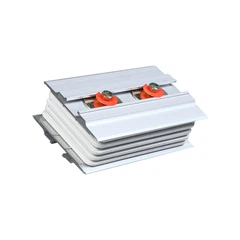
Joints in copper bus ducts are critical points that require special attention during maintenance. Busway Junction is an important part of the bus duct system, but it is also prone to failure.
Joint failure can occur due to several reasons. One of the main reasons is improper installation. If the joints are not properly aligned or tightened during installation, it can lead to poor electrical contact and mechanical instability. Another reason is the wear and tear of the joint components over time. The contact surfaces of the joints may become worn or damaged, reducing the electrical conductivity and increasing the risk of arcing.


To prevent joint failure, proper installation procedures should be strictly followed. Ensure that the joints are properly aligned and tightened to the specified torque. Regularly inspect the joints for signs of wear, damage, or overheating. If any problems are found, the joints should be repaired or replaced as soon as possible.
Conclusion
As a copper bus duct supplier, we are committed to providing high - quality products and helping our customers maintain their bus duct systems effectively. By being aware of the common maintenance problems such as oxidation and corrosion, loose connections, insulation degradation, dust and debris accumulation, and joint failure, and taking appropriate preventive and corrective measures, customers can ensure the reliable and safe operation of their electrical systems.
If you are interested in purchasing our copper bus ducts or need more information about bus duct maintenance, please feel free to contact us for further discussions. We are always ready to offer you professional advice and support.
References
- Electrical Engineering Handbook, various editions
- Industry standards related to copper bus duct installation and maintenance
Send Inquiry