

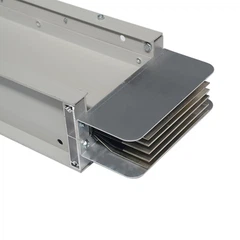
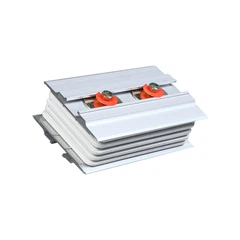
What materials are used to make a busway junction?
Sep 12, 2025
Leave a message
Hey there! As a supplier of busway junctions, I'm super excited to share with you all the materials used to make these nifty components. Busway junctions play a crucial role in electrical distribution systems, and the materials we choose can have a huge impact on their performance, durability, and safety. So, let's dive right in and take a closer look at what goes into making a top - notch busway junction.
Conductive Materials
The most important part of a busway junction is the conductive material. It's what allows the electricity to flow from one part of the system to another. The two most commonly used conductive materials are copper and aluminum.
Copper
Copper is like the rock - star of conductive materials. It has excellent electrical conductivity, which means it can carry a large amount of electrical current with very little resistance. This results in less energy loss in the form of heat, making it highly efficient.
One of the great things about copper is its corrosion resistance. It can withstand harsh environmental conditions, including high humidity and exposure to certain chemicals. This makes it a great choice for both indoor and outdoor applications.
We often use copper in our Copper Bus Duct. The high - quality copper we source ensures that our bus ducts and junctions can handle high - power loads without overheating. It also has good mechanical properties, which means it can be easily formed into the shapes needed for busway junctions, like elbows and straight sections.
Aluminum
Aluminum is another popular choice for conductive materials. It's much lighter than copper, which can be a huge advantage when it comes to installation and transportation. Lighter components are easier to handle, reducing the risk of injury during installation and potentially cutting down on shipping costs.
Aluminum also has relatively good electrical conductivity. While it's not as good as copper, modern manufacturing techniques have made it possible to use aluminum effectively in busway junctions. We treat the aluminum to improve its corrosion resistance, and it can perform well in many applications.
However, aluminum does have some drawbacks. It has a higher coefficient of thermal expansion compared to copper. This means that it expands and contracts more with changes in temperature, which can potentially lead to loose connections over time. But with proper design and installation, these issues can be managed.
Insulating Materials
Insulating materials are just as important as conductive materials in a busway junction. They prevent electrical current from leaking out and protect people and equipment from electrical shock.
Epoxy Resin
Epoxy resin is a common insulating material used in busway junctions. It has excellent electrical insulation properties, which means it can effectively prevent the flow of electricity between conductive parts.
Epoxy resin is also very durable. It can resist mechanical stress, such as vibrations and impacts, which are common in industrial environments. It's resistant to chemicals and moisture, making it suitable for use in a wide range of conditions.
When we use epoxy resin in our busway junctions, we can ensure that the electrical system is safe and reliable. It can be molded into different shapes to fit the specific design requirements of the junction, providing a tight and secure insulation around the conductive parts.
Polycarbonate
Polycarbonate is another popular insulating material. It's known for its high impact resistance, which makes it a great choice for busway junctions that may be subject to physical damage.
Polycarbonate also has good electrical insulation properties. It can withstand high voltages without breaking down, ensuring the safety of the electrical system. It's transparent, which can be an advantage in some applications as it allows for visual inspection of the internal components of the busway junction.
We use polycarbonate in some of our busway junction covers. The transparency allows maintenance personnel to quickly check for any signs of damage or wear inside the junction without having to open it up.
Structural Materials
The structural materials of a busway junction provide support and protection for the conductive and insulating components. They need to be strong, durable, and able to withstand mechanical stress.
Steel
Steel is a widely used structural material. It has high strength, which means it can support the weight of the busway junction and any equipment connected to it. It can also withstand heavy impacts and vibrations, making it suitable for industrial environments.
We use steel in the frames and enclosures of our busway junctions. The steel frames provide a rigid structure that holds the conductive and insulating components in place. The enclosures protect the internal components from dust, dirt, and moisture, extending the lifespan of the busway junction.
Stainless Steel
Stainless steel is a special type of steel that has excellent corrosion resistance. It's often used in applications where the busway junction will be exposed to harsh environmental conditions, such as outdoor installations or areas with high humidity.
Stainless steel is also aesthetically pleasing, which can be an advantage in some commercial or public buildings. It can maintain its appearance over time, even with exposure to the elements.


Other Materials
In addition to the main materials mentioned above, there are also some other materials used in busway junctions.
Gaskets
Gaskets are used to create a seal between different parts of the busway junction. They prevent the ingress of dust, dirt, and moisture, which can damage the internal components. We use rubber or silicone gaskets, depending on the specific requirements of the application. These gaskets are flexible and can conform to the shape of the mating surfaces, providing a tight seal.
Fasteners
Fasteners, such as bolts and nuts, are used to hold the different components of the busway junction together. We use high - quality fasteners made of materials like stainless steel or brass. These fasteners need to be strong and corrosion - resistant to ensure that the busway junction remains securely assembled over time.
Conclusion
So, there you have it! The materials used to make a busway junction are carefully selected to ensure optimal performance, durability, and safety. From the conductive copper and aluminum to the insulating epoxy resin and polycarbonate, and the structural steel and stainless steel, each material plays a vital role.
If you're in the market for high - quality busway junctions, we're here to help. Whether you need a Busway Horizontal Elbow or a Phase Segregated Bus Duct, we've got you covered. Our team of experts can work with you to understand your specific requirements and provide the best solutions.
Don't hesitate to reach out if you have any questions or if you're interested in starting a procurement discussion. We're always happy to talk about how our busway junctions can meet your electrical distribution needs.
References
- Electrical Power Distribution Handbook by Dugan, McGranaghan, and Beaty
- Handbook of Electrical Engineering by H. Cotton
Send Inquiry