

What are the factors to consider when choosing sandwich busduct?
Sep 12, 2025
Leave a message
When it comes to selecting the right sandwich busduct for your electrical distribution needs, there are numerous factors that demand careful consideration. As a seasoned sandwich busduct supplier, I've witnessed firsthand the critical role that these components play in ensuring efficient and reliable power distribution systems. In this blog post, I'll delve into the key factors you should keep in mind when making this important decision.
Electrical Capacity
One of the primary considerations when choosing a sandwich busduct is its electrical capacity. This refers to the amount of electrical current the busduct can safely carry without overheating or causing other issues. It's crucial to accurately assess your power requirements based on the connected loads and future expansion plans. Selecting a busduct with insufficient capacity can lead to overheating, voltage drops, and potential system failures, while choosing one with excessive capacity can result in unnecessary costs.
To determine the appropriate electrical capacity, you need to consider factors such as the total connected load, the diversity factor (which accounts for the fact that not all loads will be operating at full capacity simultaneously), and any anticipated future growth. Our team of experts can assist you in conducting a detailed load analysis to ensure you select a busduct that meets your current and future needs.
Voltage Rating
In addition to electrical capacity, the voltage rating of the sandwich busduct is another critical factor. The voltage rating indicates the maximum voltage that the busduct can safely handle. It's essential to match the voltage rating of the busduct with the voltage of your electrical system to prevent insulation breakdown and other electrical hazards.
When selecting a busduct, make sure to consider the system voltage, as well as any potential voltage fluctuations or surges. Our busducts are available in a wide range of voltage ratings to accommodate various electrical systems, and we can help you choose the right one for your specific application.
Short-Circuit Rating
The short-circuit rating of a sandwich busduct is the maximum amount of current that the busduct can withstand during a short-circuit event without suffering damage. A high short-circuit rating is essential for ensuring the safety and reliability of your electrical system, especially in industrial and commercial applications where short-circuits can occur due to equipment failures or other factors.
When evaluating the short-circuit rating of a busduct, consider the available fault current in your electrical system, as well as the duration of the short-circuit event. Our busducts are designed and tested to meet or exceed industry standards for short-circuit ratings, providing you with peace of mind knowing that your electrical system is protected.
Material and Construction
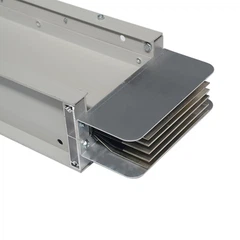
The material and construction of the sandwich busduct can significantly impact its performance, durability, and cost. Common materials used in busduct construction include copper and aluminum. Copper busducts offer excellent electrical conductivity and corrosion resistance, making them ideal for high-performance applications. However, they can be more expensive than aluminum busducts. Aluminum busducts, on the other hand, are lighter and more cost-effective, but they may have slightly lower electrical conductivity.
In addition to the conductor material, the insulation material used in the busduct is also important. High-quality insulation materials can provide better electrical insulation, heat resistance, and mechanical protection. Our sandwich busducts are constructed using high-quality materials and advanced manufacturing techniques to ensure superior performance and reliability. For more information on Aluminum Bus Duct, you can visit our website.
Enclosure Design
The enclosure of the sandwich busduct serves several important functions, including protecting the conductors from environmental factors, providing mechanical support, and preventing access to live parts. When selecting a busduct, consider the enclosure design, including the material, size, and shape.
The enclosure material should be durable, corrosion-resistant, and able to withstand the environmental conditions in which the busduct will be installed. Common enclosure materials include steel, aluminum, and stainless steel. The size and shape of the enclosure should be selected based on the available space and the installation requirements.
Our busducts are available with a variety of enclosure designs to meet different application needs. We can also customize the enclosure design to fit your specific requirements.
Installation and Maintenance
The ease of installation and maintenance of a sandwich busduct can have a significant impact on the overall cost and efficiency of your electrical system. When selecting a busduct, look for one that is easy to install and requires minimal maintenance.
Consider factors such as the weight and size of the busduct, the availability of installation accessories, and the complexity of the installation process. Our busducts are designed for easy installation, with pre-fabricated sections and standardized components that can be quickly and easily assembled on-site.
In addition, regular maintenance is essential for ensuring the long-term performance and reliability of your busduct. Look for a busduct that is easy to access for inspection and maintenance, and consider the availability of spare parts and technical support. Our team of experts can provide you with comprehensive installation and maintenance support to ensure that your busduct operates smoothly and efficiently.
Safety Features
Safety is always a top priority when it comes to electrical systems. When selecting a sandwich busduct, look for one that is equipped with safety features such as overcurrent protection, overvoltage protection, and grounding. These features can help prevent electrical accidents and ensure the safety of your personnel and equipment.
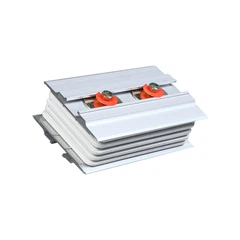
In addition, consider the use of busduct flanges and other accessories that can enhance the safety and reliability of your busduct system. For example, Bus Duct Flange can provide a secure connection between busduct sections and help prevent electrical arcing and other hazards. Our busducts are designed with a range of safety features to meet or exceed industry standards, providing you with peace of mind knowing that your electrical system is safe.
Compliance with Standards
It's important to ensure that the sandwich busduct you select complies with relevant industry standards and codes. Compliance with standards such as UL, IEC, and NEC ensures that the busduct has been tested and certified to meet specific safety and performance requirements.
When evaluating a busduct, look for certifications and markings that indicate compliance with these standards. Our busducts are designed and manufactured in accordance with the latest industry standards and codes, and we can provide you with the necessary documentation to demonstrate compliance.
Cost
Finally, cost is always a consideration when making any purchasing decision. When selecting a sandwich busduct, it's important to balance the initial cost of the busduct with its long-term performance and reliability. While it may be tempting to choose the cheapest option, keep in mind that a low-quality busduct may require more frequent maintenance and replacement, which can ultimately result in higher costs over the life of the system.
Consider the total cost of ownership, including the purchase price, installation costs, maintenance costs, and energy consumption. Our team can help you evaluate the cost-effectiveness of different busduct options and select the one that provides the best value for your investment.


In conclusion, choosing the right sandwich busduct requires careful consideration of several factors, including electrical capacity, voltage rating, short-circuit rating, material and construction, enclosure design, installation and maintenance, safety features, compliance with standards, and cost. As a leading sandwich busduct supplier, we have the expertise and experience to help you select the best busduct for your specific application. If you have any questions or would like to discuss your busduct requirements in more detail, please don't hesitate to contact us. We look forward to working with you to ensure the success of your electrical distribution system.
References
- Electrical Power Distribution Handbook, by T. A. Short
- National Electrical Code (NEC)
- International Electrotechnical Commission (IEC) Standards
- Underwriters Laboratories (UL) Standards
Send Inquiry