

What is the installation height requirement of Fireproof Bus Duct?
Sep 12, 2025
Leave a message
The installation height of fireproof bus ducts is a critical factor that significantly impacts their performance, safety, and overall functionality. As a professional fireproof bus duct supplier, I understand the importance of adhering to the appropriate installation height requirements. In this blog, I will delve into the key aspects of the installation height requirements for fireproof bus ducts, providing valuable insights for both installers and end - users.
Understanding the Basics of Fireproof Bus Ducts
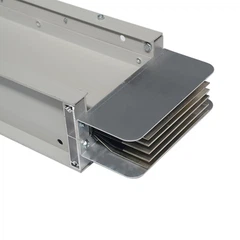
Before discussing the installation height requirements, it's essential to understand what fireproof bus ducts are. A Fireproof Bus Duct is a crucial component in electrical distribution systems. It is designed to safely and efficiently transmit electrical power from a power source to various electrical equipment. Fireproof bus ducts are constructed with special fire - resistant materials that can withstand high temperatures for a certain period, preventing the spread of fire and maintaining the integrity of the electrical supply during a fire emergency.
Factors Influencing the Installation Height
Several factors play a role in determining the appropriate installation height of fireproof bus ducts.
Safety Considerations
Safety is the top priority when installing fireproof bus ducts. The installation height should be set to minimize the risk of physical damage and accidental contact. For example, in industrial settings where there is heavy machinery movement, the bus duct should be installed at a height that is out of reach of moving equipment. This reduces the likelihood of the bus duct being struck, which could lead to electrical short - circuits or other safety hazards.
In public areas, such as shopping malls or office buildings, the installation height should prevent unauthorized access. Placing the bus duct at a sufficient height can deter individuals from tampering with it, ensuring the safety of the electrical system and the people in the vicinity.
Maintenance Requirements
Maintenance is another important factor. Fireproof bus ducts need regular inspections and maintenance to ensure their proper functioning. The installation height should allow easy access for maintenance personnel. If the bus duct is installed too low, it may be obstructed by furniture, equipment, or other objects, making it difficult to perform maintenance tasks. On the other hand, if it is installed too high, special equipment such as ladders or cherry pickers may be required, which can increase the cost and complexity of maintenance.
Ventilation and Heat Dissipation
Fireproof bus ducts generate heat during normal operation. Adequate ventilation is necessary to dissipate this heat and prevent overheating. The installation height can affect the ventilation of the bus duct. Installing the bus duct at an appropriate height allows for better air circulation around it. For example, installing it at a height where there is natural air movement can help carry away the heat generated by the bus duct, reducing the risk of overheating and potential damage to the electrical components.
Industry Standards and Regulations
There are industry standards and regulations that specify the installation height requirements for fireproof bus ducts. These standards are developed based on extensive research and practical experience to ensure the safety and performance of the electrical system.
In many countries, national electrical codes provide guidelines on the installation of electrical equipment, including fireproof bus ducts. For example, the National Electrical Code (NEC) in the United States has specific requirements regarding the height of electrical conductors and enclosures. These requirements are designed to protect people and property from electrical hazards.
In addition to national codes, international standards such as the International Electrotechnical Commission (IEC) standards also play a role in determining the installation height. These standards are widely recognized and followed in the global electrical industry, providing a unified approach to the installation of fireproof bus ducts.


Typical Installation Height Ranges
The typical installation height of fireproof bus ducts can vary depending on the application and the environment.
Industrial Applications
In industrial settings, fireproof bus ducts are often installed at a height of 2.5 to 4 meters above the floor. This height range provides a good balance between safety, maintenance, and ventilation. It keeps the bus duct out of the way of most industrial equipment while still allowing easy access for maintenance personnel.
Commercial Buildings
In commercial buildings such as offices and shopping malls, the installation height is usually between 3 and 5 meters. This height is sufficient to prevent unauthorized access and provides good ventilation. It also allows for the integration of the bus duct into the building's ceiling or wall structure, providing a more aesthetically pleasing appearance.
Residential Buildings
In residential buildings, fireproof bus ducts are typically installed at a height that is consistent with the building's electrical layout. They are often installed in the ceiling or in utility closets at a height that is accessible for maintenance but out of the way of normal human activity. A common installation height in residential settings is around 2.2 to 3 meters.
Special Considerations for Different Types of Fireproof Bus Ducts
Different types of fireproof bus ducts may have specific installation height requirements.
Fire - Resistant Busway Feeder Unit
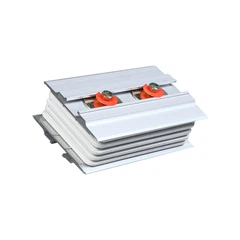
Fire - resistant busway feeder units are used to supply power to multiple electrical circuits. These units are often larger and heavier than other types of bus ducts. Therefore, they need to be installed at a height that can support their weight and provide sufficient structural stability. The installation height should also allow for easy connection to other electrical components, such as transformers and switchgear.
Fire - Resistant Busduct Elbow
Fire - resistant busduct elbows are used to change the direction of the bus duct. When installing these elbows, the height should be carefully considered to ensure proper alignment and connection with the straight sections of the bus duct. The installation height should also allow for smooth bending of the electrical conductors inside the elbow, minimizing the risk of electrical resistance and heat generation.
Installation Height and System Performance
The installation height of fireproof bus ducts can have a significant impact on the overall performance of the electrical system.
Electrical Performance
An appropriate installation height can ensure stable electrical performance. By providing good ventilation and preventing physical damage, the bus duct can operate at its optimal temperature and electrical efficiency. This reduces the risk of electrical losses and improves the reliability of the electrical supply.
Fire - Resistance Performance
The installation height also affects the fire - resistance performance of the bus duct. If the bus duct is installed too close to a potential fire source, it may be exposed to higher temperatures, reducing its ability to withstand a fire. Installing the bus duct at an appropriate height can help protect it from direct exposure to fire and heat, ensuring that it can maintain its integrity during a fire emergency.
Conclusion
The installation height of fireproof bus ducts is a crucial aspect of their installation. It is influenced by factors such as safety, maintenance, ventilation, and industry standards. By understanding these factors and following the appropriate installation height requirements, we can ensure the safety, performance, and longevity of the fireproof bus duct system.
As a fireproof bus duct supplier, I am committed to providing high - quality products and professional advice on their installation. If you are in need of fireproof bus ducts or have questions about their installation height requirements, I encourage you to contact me for further discussion and procurement. We can work together to find the best solution for your electrical distribution needs.
References
- National Electrical Code (NEC)
- International Electrotechnical Commission (IEC) Standards
- Industry research reports on electrical distribution systems
Send Inquiry