

How to choose the right Rising Mains Bus Duct for a project?
Sep 15, 2025
Leave a message
When embarking on an electrical project, one of the critical decisions you'll face is choosing the right Rising Mains Bus Duct. As a seasoned Rising Mains Bus Duct supplier, I understand the complexities involved in this selection process. In this blog, I'll guide you through the key factors to consider when making this important choice, ensuring that your project is not only safe but also efficient and cost - effective.
Understanding the Basics of Rising Mains Bus Duct
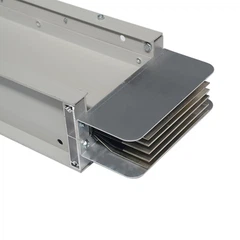
Before delving into the selection process, it's essential to understand what a Rising Mains Bus Duct is. A Rising Mains Bus Duct is a prefabricated electrical distribution system designed to carry large amounts of electrical current vertically in a building. It consists of busbars (conductors) enclosed in a protective housing, which can be made of various materials such as steel or aluminum.
The busbars are responsible for conducting electricity, while the housing protects them from environmental factors, mechanical damage, and provides electrical insulation. Rising Mains Bus Ducts are commonly used in commercial and industrial buildings, high - rise structures, and data centers, where they offer a reliable and efficient alternative to traditional cable systems.
Factors to Consider When Choosing a Rising Mains Bus Duct
Electrical Rating
The electrical rating of a Rising Mains Bus Duct is one of the most crucial factors to consider. It includes parameters such as current - carrying capacity, voltage rating, and short - circuit withstand capacity.
- Current - Carrying Capacity: This is the maximum amount of electrical current that the bus duct can safely carry without overheating. It is determined by the size and material of the busbars. When selecting a bus duct, you need to accurately calculate the total electrical load of your project. Consider both the present load and any future expansion plans. A bus duct with a higher current - carrying capacity than required may be more expensive upfront, but it can save you from costly upgrades in the future.
- Voltage Rating: The voltage rating of the bus duct must match the system voltage of your project. Using a bus duct with an incorrect voltage rating can lead to electrical failures, equipment damage, and safety hazards.
- Short - Circuit Withstand Capacity: This refers to the ability of the bus duct to withstand the high - current surges that occur during a short - circuit event without suffering permanent damage. A higher short - circuit withstand capacity ensures the safety and reliability of your electrical system.
Environmental Conditions
The environment in which the Rising Mains Bus Duct will be installed plays a significant role in its performance and longevity.
- Temperature and Humidity: Extreme temperatures and high humidity levels can affect the electrical properties of the busbars and the insulation materials. For example, high temperatures can cause the busbars to expand, leading to loose connections, while high humidity can cause corrosion. In such environments, you may need to choose a bus duct with special insulation materials and protective coatings.
- Dust and Chemical Exposure: If the installation site is prone to dust, dirt, or chemical exposure, the bus duct should be designed to prevent ingress. Look for bus ducts with high - quality enclosures and gaskets that can provide protection against these contaminants.
Installation Requirements
The installation process of a Rising Mains Bus Duct can be complex, and it's important to choose a product that is suitable for your installation site and requirements.
- Space Constraints: Consider the available space for the installation of the bus duct. Some bus ducts are more compact than others, which can be beneficial in areas with limited space.
- Mounting Options: Different bus ducts offer various mounting options, such as wall - mounted, floor - mounted, or ceiling - mounted. Choose a mounting option that is compatible with your building's structure and layout.
- Flexibility: In some projects, there may be a need for flexibility in the routing of the bus duct. Look for bus ducts that can be easily customized and configured to fit your specific installation requirements.
Safety Features
Safety is of utmost importance in any electrical project. When choosing a Rising Mains Bus Duct, look for the following safety features:
- Insulation Integrity: High - quality insulation materials are essential to prevent electrical shocks and short - circuits. Ensure that the bus duct has a reliable insulation system that meets relevant safety standards.
- Grounding: Proper grounding is crucial to protect against electrical faults. The bus duct should have a dedicated grounding conductor to ensure the safe dissipation of electrical energy in the event of a fault.
- Overcurrent Protection: Some bus ducts come with built - in overcurrent protection devices, such as fuses or circuit breakers, which can automatically disconnect the power in case of an overcurrent condition.
Types of Rising Mains Bus Ducts
There are several types of Rising Mains Bus Ducts available in the market, each with its own advantages and disadvantages.
- Isolated - Phase Bus Duct: In an isolated - phase bus duct, each phase conductor is enclosed in a separate compartment, which provides excellent electrical insulation and reduces the risk of short - circuits between phases. This type of bus duct is commonly used in high - voltage applications.
- Non - Isolated - Phase Bus Duct: Non - isolated - phase bus ducts have all the phase conductors enclosed in a single compartment. They are more compact and cost - effective than isolated - phase bus ducts, but they may have a higher risk of short - circuits.
- Plug - In Bus Duct: Plug - in bus ducts are designed to allow easy connection of electrical equipment along the length of the bus duct. They are commonly used in commercial buildings and industrial facilities where there is a need for flexible power distribution.
Importance of Quality and Certification
When choosing a Rising Mains Bus Duct, it's crucial to select a product from a reputable supplier that meets relevant quality and safety standards. Look for bus ducts that are certified by recognized organizations, such as UL (Underwriters Laboratories) or IEC (International Electrotechnical Commission). These certifications ensure that the product has been tested and meets the required performance and safety criteria.
Additional Components
In addition to the main bus duct, there are several additional components that you may need for your project.


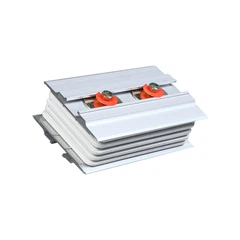
- Bus Duct Flange: Bus duct flanges are used to connect different sections of the bus duct together. They ensure a secure and reliable electrical connection between the busbars.
- High Current Busbar: High current busbars are designed to carry large amounts of electrical current. They are available in different sizes and materials, and choosing the right one depends on your current - carrying requirements.
- Bus Duct Tap Off Unit: Bus duct tap off units allow you to extract power from the main bus duct at specific points. They are commonly used to supply power to individual electrical loads.
Conclusion
Choosing the right Rising Mains Bus Duct for your project is a critical decision that requires careful consideration of various factors, including electrical rating, environmental conditions, installation requirements, safety features, and the type of bus duct. As a Rising Mains Bus Duct supplier, I have the expertise and experience to help you make the right choice.
If you're in the process of planning an electrical project and need assistance in selecting the appropriate Rising Mains Bus Duct, I encourage you to reach out for a detailed consultation. Our team can provide you with customized solutions based on your specific requirements and ensure that your project is a success. Let's work together to build a safe, efficient, and reliable electrical distribution system.
References
- Electrical Installation Handbook, Schneider Electric
- National Electrical Code (NEC)
- International Electrotechnical Commission (IEC) Standards
Send Inquiry