

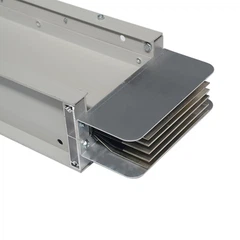
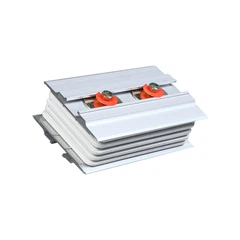
What is the rated voltage of a Bus Duct Tap Off Unit?
Jan 19, 2026
Leave a message
The rated voltage of a Bus Duct Tap Off Unit is a critical parameter that significantly influences its performance, safety, and compatibility within an electrical distribution system. As a leading supplier of Bus Duct Tap Off Units, I am well - versed in the technical aspects and industry standards related to rated voltage.
Understanding Rated Voltage
The rated voltage of a Bus Duct Tap Off Unit refers to the maximum voltage at which the unit is designed to operate continuously under normal conditions. It is a fundamental specification that ensures the unit can handle the electrical stress without experiencing premature failure or safety hazards. This voltage rating is determined during the design and manufacturing process, taking into account various factors such as the insulation materials used, the physical dimensions of the conductors, and the overall construction of the unit.
Insulation materials play a crucial role in determining the rated voltage. For instance, in Sandwich Bus Duct Insulation, high - quality insulation materials are used to withstand high - voltage levels. These materials have excellent dielectric properties, which prevent electrical breakdown and ensure the safe transfer of electricity through the bus duct tap - off unit.
Factors Affecting Rated Voltage
Insulation Properties
The type and quality of insulation materials have a direct impact on the rated voltage. Different insulation materials have different dielectric strengths, which is the maximum electric field that the material can withstand without breaking down. For example, some advanced insulation materials can withstand much higher voltages compared to traditional ones. This allows the Bus Duct Tap Off Unit to have a higher rated voltage, which is essential for applications in high - voltage electrical systems.
Conductor Design
The design of the conductors within the Bus Duct Tap Off Unit also affects the rated voltage. The cross - sectional area, shape, and spacing of the conductors are carefully engineered to minimize electrical losses and prevent arcing. A larger cross - sectional area of the conductors can reduce the resistance, which in turn reduces the heat generated during operation. This is important because excessive heat can degrade the insulation and lower the rated voltage of the unit.
Environmental Conditions
Environmental factors such as temperature, humidity, and pollution can also influence the rated voltage. High temperatures can decrease the dielectric strength of the insulation materials, while high humidity can cause moisture to penetrate the insulation, leading to electrical leakage. In polluted environments, contaminants can accumulate on the surface of the insulation, which can also reduce its dielectric strength. Therefore, the rated voltage of a Bus Duct Tap Off Unit may need to be adjusted based on the expected environmental conditions of its installation location.
Importance of Correct Rated Voltage
Safety
Using a Bus Duct Tap Off Unit with the correct rated voltage is crucial for safety. If the unit is operated at a voltage higher than its rated voltage, there is a risk of electrical breakdown, which can lead to short circuits, fires, and other safety hazards. On the other hand, if the unit is operated at a voltage much lower than its rated voltage, it may not be operating at its optimal efficiency, which can result in unnecessary energy losses.
Compatibility
The rated voltage of the Bus Duct Tap Off Unit must be compatible with the rest of the electrical distribution system. It should match the voltage level of the source, such as a transformer or a generator, as well as the voltage requirements of the connected loads. Incompatible voltage ratings can lead to improper operation of the equipment and may cause damage to the Bus Duct Tap Off Unit or other components in the system.
Performance
A Bus Duct Tap Off Unit operating at its rated voltage will provide the best performance in terms of power transfer efficiency and reliability. It will ensure a stable and consistent supply of electricity to the connected loads, which is essential for the smooth operation of industrial, commercial, and residential electrical systems.


Industry Standards and Regulations
There are several industry standards and regulations that govern the rated voltage of Bus Duct Tap Off Units. These standards ensure that the units are designed, manufactured, and tested to meet certain safety and performance criteria. For example, international standards such as IEC (International Electrotechnical Commission) standards provide guidelines on the maximum allowable rated voltage, insulation requirements, and testing procedures for electrical equipment, including Bus Duct Tap Off Units.
Compliance with these standards is not only a legal requirement but also a guarantee of the quality and safety of the Bus Duct Tap Off Unit. As a supplier, we adhere to these standards strictly in our manufacturing process to ensure that our products meet the highest quality and safety standards.
Different Applications and Rated Voltages
Bus Duct Tap Off Units are used in a wide range of applications, each with different voltage requirements.
Low - Voltage Applications
In low - voltage applications, such as residential and small - scale commercial buildings, the rated voltage of the Bus Duct Tap Off Unit is typically in the range of 230V to 480V. These units are designed to distribute electricity safely and efficiently to various electrical appliances and equipment within the building.
Medium - Voltage Applications
Medium - voltage applications, such as industrial plants and large commercial complexes, require Bus Duct Tap Off Units with a rated voltage in the range of 1kV to 35kV. These units are used to transfer large amounts of electricity from the main power source to different sections of the facility. For example, in an industrial plant, the bus duct tap - off unit may be used to supply power to large motors, transformers, and other heavy - duty equipment.
High - Voltage Applications
High - voltage applications, such as power generation plants and high - voltage substations, demand Bus Duct Tap Off Units with extremely high rated voltages, often above 35kV. These units are built to handle the high - voltage levels associated with power transmission and distribution over long distances. Special care is taken in the design and manufacturing of these units to ensure their reliability and safety.
Our Product Range and Rated Voltages
As a supplier of Bus Duct Tap Off Units, we offer a wide range of products with different rated voltages to meet the diverse needs of our customers. Our Enclosed Busduct products are available in various voltage ratings, from low - voltage to high - voltage applications. We also offer Non - Standard Bus Duct Flange End options for customers with specific requirements.
Our engineering team carefully designs each product to ensure that it meets the highest quality and safety standards. We use the latest manufacturing techniques and high - quality materials to produce Bus Duct Tap Off Units that are reliable, efficient, and durable.
Conclusion
The rated voltage of a Bus Duct Tap Off Unit is a critical factor that determines its performance, safety, and compatibility within an electrical distribution system. Understanding the factors that affect the rated voltage, such as insulation properties, conductor design, and environmental conditions, is essential for selecting the right unit for a specific application.
As a trusted supplier of Bus Duct Tap Off Units, we are committed to providing our customers with high - quality products that meet their specific voltage requirements. Whether you need a low - voltage unit for a residential building or a high - voltage unit for a power generation plant, we have the expertise and the product range to meet your needs.
If you are interested in our Bus Duct Tap Off Units or have any questions about rated voltage and its applications, please feel free to contact us for further discussion and procurement. We look forward to partnering with you to provide the best electrical distribution solutions.
References
- International Electrotechnical Commission (IEC) Standards on Electrical Equipment
- Technical Documents on Bus Duct Tap Off Unit Design and Manufacturing
- Research Papers on Insulation Materials for High - Voltage Applications
Send Inquiry