

What are the differences in maintenance between Lighting Bus Duct and traditional lighting wiring?
Jul 06, 2026
Leave a message
As a supplier of Lighting Bus Duct, I've witnessed firsthand the transformation it brings to the lighting infrastructure. In this blog, I'll delve into the differences in maintenance between Lighting Bus Duct and traditional lighting wiring, highlighting the advantages of our product and why it's a superior choice for modern lighting systems.
Maintenance Complexity
Traditional lighting wiring involves a web of individual cables that are often installed in conduits or raceways. Over time, these cables can become damaged due to factors such as physical stress, environmental conditions, and electrical overload. Identifying and repairing a fault in traditional wiring can be a time - consuming and labor - intensive process. Electricians need to trace the entire length of the cable, which may be hidden behind walls or ceilings. This often requires opening up the building structure, causing disruption to the normal operation of the facility.
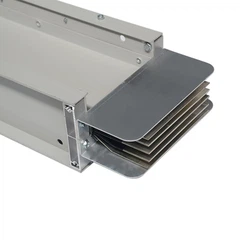
On the other hand, Lighting Bus Duct is a pre - fabricated system that consists of a series of modular units. These units are connected together to form a continuous power distribution path. The modular design makes it much easier to identify and isolate faults. If a problem occurs, the faulty module can be quickly located and replaced. This significantly reduces the time and effort required for maintenance. For example, if a section of the Lighting Bus Duct is damaged, it can be removed and replaced without having to disrupt the entire lighting system.
Safety and Reliability
Traditional lighting wiring is more prone to safety hazards. Loose connections, frayed cables, and overheating can lead to electrical fires. Inspecting these cables for potential safety issues requires a detailed and thorough examination, which can be difficult due to the complex layout of the wiring. In addition, as buildings age, the wiring may deteriorate, increasing the risk of electrical problems.
Lighting Bus Duct, however, is designed with safety in mind. It has a robust enclosure that protects the conductors from physical damage and environmental factors. The connections between the modules are designed to be secure and reliable, reducing the risk of loose connections. Moreover, modern Lighting Bus Duct systems are equipped with features such as over - current protection and short - circuit protection, which enhance the overall safety of the lighting system.
Energy Efficiency
Traditional lighting wiring may suffer from energy losses due to resistance in the cables. As electricity flows through the cables, some of the energy is converted into heat, resulting in wasted energy. These losses can be significant, especially in large lighting systems.
Lighting Bus Duct is designed to minimize energy losses. The conductors in the bus duct are made of high - conductivity materials, and the design of the bus duct reduces the resistance. This results in lower energy consumption and cost savings over the long term. For instance, in a large commercial building, the use of Lighting Bus Duct can lead to a substantial reduction in electricity bills.
Flexibility and Adaptability
Traditional lighting wiring is relatively inflexible. Once the wiring is installed, it is difficult to make changes or expansions. Any modification to the lighting system may require extensive rewiring, which can be costly and time - consuming.


Lighting Bus Duct offers greater flexibility. The modular design allows for easy addition or removal of lighting fixtures. If a new lighting area needs to be added, a new module can be simply connected to the existing bus duct system. This makes it ideal for buildings where the lighting requirements may change over time, such as offices, warehouses, and retail stores.
Cost - effectiveness
In terms of maintenance costs, traditional lighting wiring can be expensive. The labor costs associated with troubleshooting and repairing faults, as well as the cost of replacing damaged cables, can add up over time.
Lighting Bus Duct, although the initial investment may be higher, offers long - term cost savings. The reduced maintenance time and lower energy consumption result in lower overall costs. Additionally, the modular design means that only the faulty module needs to be replaced, rather than the entire wiring system, which further reduces the cost of maintenance.
Related Products
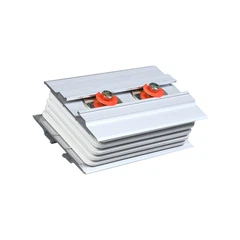
For those interested in exploring more about bus duct systems, you can check out our related products. The Data Center Busway is a specialized solution for data centers, providing reliable power distribution. The Air - Insulated Bus Duct Elbow allows for flexible routing of the bus duct system, while the Air - Insulated Bus Duct Feeder Unit is an essential component for powering the lighting system.
Conclusion
In conclusion, Lighting Bus Duct offers significant advantages over traditional lighting wiring in terms of maintenance. Its modular design, safety features, energy efficiency, flexibility, and cost - effectiveness make it a superior choice for modern lighting systems. If you are considering a lighting system for your building, I highly recommend exploring the benefits of Lighting Bus Duct. Whether you are a building owner, an architect, or an electrical contractor, our Lighting Bus Duct can meet your needs and provide a reliable and efficient lighting solution.
If you are interested in learning more about our Lighting Bus Duct products or would like to discuss a potential purchase, please feel free to reach out. We are ready to provide you with detailed information and support to help you make the best decision for your lighting project.
References
- Electrical Installation Handbook, Schneider Electric
- National Electrical Code (NEC)
Send Inquiry