

What are the disadvantages of copper bus ducts?
Jul 07, 2026
Leave a message
Hey there! I'm a supplier of copper bus ducts, and today I want to have an open and honest chat about the disadvantages of copper bus ducts. While copper bus ducts are widely used in electrical distribution systems due to their many advantages, it's important to be aware of their drawbacks too.
High Cost
One of the most significant disadvantages of copper bus ducts is the high cost. Copper is a relatively expensive metal, and the raw material cost alone can make copper bus ducts quite pricey. When you factor in the manufacturing, installation, and maintenance costs, the overall expense can be substantial. This high cost can be a major deterrent for projects with tight budgets. For smaller businesses or projects where cost is a critical factor, the price of copper bus ducts might be prohibitive.
Heavy Weight
Copper is a dense metal, which means that copper bus ducts are quite heavy. This can pose challenges during installation. You need specialized equipment and skilled labor to handle and install these heavy bus ducts. The weight also requires more robust support structures, which adds to the overall cost of the installation. Additionally, the heavy weight can limit the flexibility of installation, especially in situations where space is limited or where you need to make frequent changes to the electrical system.
Corrosion Risk
Although copper is known for its corrosion resistance, it is not completely immune. In certain environments, copper bus ducts can be susceptible to corrosion. For example, in areas with high humidity, exposure to chemicals, or salty air, the copper can start to corrode over time. Corrosion can damage the bus ducts, reduce their conductivity, and even lead to electrical failures. This means that in such environments, you need to take extra precautions to protect the copper bus ducts, such as using protective coatings or enclosures, which again adds to the cost.
Limited Flexibility
Copper bus ducts are typically rigid structures. Once they are installed, it can be difficult and costly to make changes or modifications to the electrical system. This lack of flexibility can be a problem in dynamic environments where the electrical requirements may change over time. For example, in a growing business where you need to add more electrical loads or reconfigure the electrical layout, the rigid nature of copper bus ducts can make it challenging to adapt to these changes.
Heat Dissipation Challenges
Copper bus ducts can generate heat during operation, especially when carrying high electrical currents. While copper is a good conductor of heat, in some cases, the heat dissipation may not be sufficient. This can lead to overheating, which can damage the insulation and other components of the bus ducts. To address this issue, you may need to install additional cooling systems, such as fans or heat sinks, which again increases the cost and complexity of the system.
Environmental Impact
The mining and processing of copper have a significant environmental impact. The extraction of copper ore can lead to deforestation, soil erosion, and water pollution. Additionally, the energy-intensive processes involved in refining copper contribute to greenhouse gas emissions. As more and more companies are becoming environmentally conscious, the environmental impact of copper bus ducts can be a concern.
Comparison with Aluminum Bus Ducts
When compared to Aluminum Bus Duct, copper bus ducts have some clear disadvantages. Aluminum is much lighter and less expensive than copper. This makes aluminum bus ducts easier to install and more cost-effective, especially for large-scale projects. Aluminum also has good corrosion resistance, and in some cases, it can be a better choice for certain environments.
Impact on Insulation and Flanges
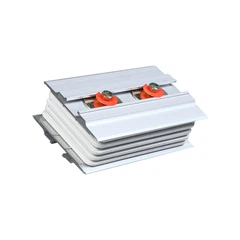
The performance of Sandwich Bus Duct Insulation and Bus Duct Flange can also be affected by the characteristics of copper bus ducts. The high cost and heavy weight of copper can influence the choice of insulation and flanges. For example, you may need more robust insulation materials to handle the heat generated by copper bus ducts, which can add to the cost. Similarly, the heavy weight of copper bus ducts may require stronger and more expensive flanges for proper installation.


Despite these disadvantages, copper bus ducts still have many advantages, such as high conductivity, reliability, and long service life. In many cases, the benefits outweigh the drawbacks, especially for applications where high performance and safety are critical.
If you're considering using copper bus ducts for your project, it's important to carefully weigh the advantages and disadvantages. I'm here to help you make an informed decision. Whether you have questions about the technical aspects, the cost, or the installation process, feel free to reach out. We can have a detailed discussion about your specific requirements and see if copper bus ducts are the right choice for you.
In conclusion, while copper bus ducts are a popular choice in the electrical industry, it's essential to be aware of their limitations. By understanding these disadvantages, you can make better decisions and ensure that your electrical system meets your needs both now and in the future. So, if you're interested in learning more or want to discuss a potential project, don't hesitate to get in touch. Let's work together to find the best solution for your electrical distribution needs.
References
- Electrical Engineering Handbook, various editions
- Industry reports on electrical distribution systems
- Technical papers on copper and aluminum bus ducts
Send Inquiry