

What is the load - sharing capacity of an underground bus duct?
Jul 08, 2026
Leave a message
Hey there, folks! I'm an underground bus duct supplier, and today I'm gonna dive deep into the topic of "What is the load - sharing capacity of an underground bus duct?"


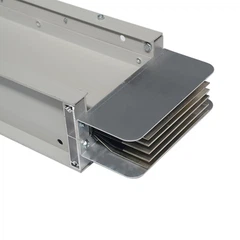
First things first, let's understand what an underground bus duct is. It's a crucial part of an electrical distribution system, specifically designed to be installed underground. You can learn more about it here. These bus ducts are used to transmit and distribute electrical power in various settings, like industrial complexes, commercial buildings, and even some large residential areas.
Now, the load - sharing capacity of an underground bus duct is super important. It refers to the amount of electrical load that the bus duct can handle and distribute among different connected circuits or equipment. Think of it as a traffic cop for electricity. It decides how much power goes where, making sure everything runs smoothly without overloading.
There are a bunch of factors that affect the load - sharing capacity. One of the main ones is the material of the bus duct. High - quality conductors, like copper or aluminum, have better electrical conductivity. Copper, for example, is a popular choice because it can carry more current with less resistance. This means that a bus duct made of copper will generally have a higher load - sharing capacity compared to one made of a less conductive material.
The cross - sectional area of the conductors in the bus duct also plays a huge role. A larger cross - sectional area allows for more electrons to flow through, which in turn increases the amount of electrical current the bus duct can handle. It's like a wider highway can carry more cars at the same time. So, when you're looking at an underground bus duct, pay attention to the size of the conductors.
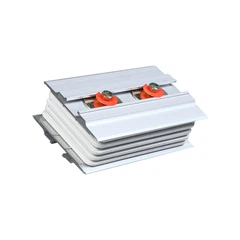
Another factor is the insulation. Good insulation is essential to prevent electrical leakage and short - circuits. If the insulation is poor, it can lead to power losses and even pose a safety hazard. There are different types of insulation materials available, and some are better suited for underground applications than others. For instance, epoxy resin cast insulation is quite popular for underground bus ducts. You can check out Cast Resin Busduct to learn more about this type of insulation and its benefits.
The ambient temperature also affects the load - sharing capacity. Underground environments can have different temperature conditions depending on the location and time of year. Higher temperatures can cause the conductors to expand and increase their resistance. This means that the bus duct will be able to carry less current safely at high temperatures. So, when designing an underground bus duct system, engineers need to take into account the expected temperature range in the area.
Now, let's talk about how we calculate the load - sharing capacity. There are some standard formulas and methods used in the electrical engineering field. These calculations take into account all the factors I mentioned earlier, like the material of the conductors, their cross - sectional area, the type of insulation, and the ambient temperature. However, it's a complex process, and it's usually done by professional electrical engineers.
One important thing to note is that the load - sharing capacity is not a fixed value. It can change depending on how the bus duct is used and maintained. If you overload the bus duct for an extended period, it can cause damage to the conductors and insulation. This will reduce its load - sharing capacity over time and may even lead to a complete failure.
So, why is it so important to understand the load - sharing capacity of an underground bus duct? Well, for one, it ensures the safety of the electrical system. If the bus duct can't handle the load, it can overheat, which can start a fire or cause other serious problems. Secondly, it helps in the efficient use of electrical power. By properly distributing the load, you can avoid wasting energy and reduce your electricity bills.
In some cases, you may need to increase the load - sharing capacity of an existing underground bus duct system. This could be due to an expansion of the facility or an increase in the electrical demand. One way to do this is by upgrading the conductors to ones with a larger cross - sectional area. Another option is to improve the insulation to reduce power losses.
When you're in the market for an underground bus duct, make sure to choose a reliable supplier. Look for a company that has a good reputation for quality and safety. And don't forget to consider the load - sharing capacity based on your specific needs. If you're not sure, you can consult with an electrical engineer.
We also offer Waterproof Busbar, which is a great option for underground applications where moisture can be a problem. It provides an extra layer of protection and ensures the longevity of your electrical system.
If you're interested in purchasing an underground bus duct or have any questions about load - sharing capacity, feel free to reach out. We're here to help you find the best solution for your electrical distribution needs. Whether you're a small business or a large industrial complex, we've got the expertise and products to meet your requirements.
In conclusion, the load - sharing capacity of an underground bus duct is a critical aspect of any electrical distribution system. It's affected by many factors, and understanding it can help you make informed decisions when it comes to your electrical infrastructure. So, don't hesitate to get in touch if you want to learn more or start a procurement process.
References
- Electrical Engineering Handbook, various editions
- Standards and guidelines from electrical industry associations
Send Inquiry