

How to estimate the long - term cost of using a copper bus duct?
Nov 18, 2026
Leave a message
Hey there! As a supplier of copper bus ducts, I often get asked about how to estimate the long - term cost of using these nifty electrical components. It's a crucial question, especially for businesses and projects that are looking at long - term operations and budget planning. In this blog, I'll break down the key factors you need to consider when estimating the long - term cost of using a copper bus duct.
Initial Purchase Cost
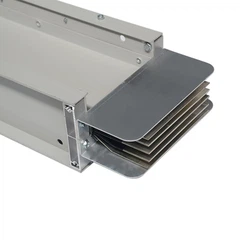
The first thing you'll need to think about is the initial purchase cost. The price of a copper bus duct can vary widely depending on several factors. The size of the bus duct is a major determinant. Larger bus ducts that can handle higher electrical loads will generally cost more. For example, a Feeder Bus Duct designed to carry large amounts of power over long distances is going to be pricier than a smaller one for a local, low - power application.
The design and specifications also play a role. Some bus ducts come with advanced features like better insulation, higher protection ratings, and custom configurations. These features can increase the cost but might be worth it in the long run, especially if they improve the safety and efficiency of your electrical system.
Installation Costs
Installation is another significant part of the long - term cost equation. The complexity of the installation process can vary depending on the type of bus duct and the layout of your electrical system. For instance, a Plug in Bus Duct is relatively easier to install compared to a more complex feeder bus duct that might require specialized equipment and expertise.
Labor costs are a big part of the installation expenses. You'll need to hire skilled electricians who are familiar with bus duct installation. The time it takes to install the bus duct also affects the cost. If the installation is in a hard - to - reach area or requires a lot of custom work, it'll take longer and cost more.
Energy Efficiency
One of the most important factors in the long - term cost of using a copper bus duct is its energy efficiency. Copper is a great conductor of electricity, which means it has low resistance. Low resistance translates to less energy loss during the transmission of electricity. This is a huge advantage over other materials.
When you use a copper bus duct, you'll notice lower energy bills over time. The amount of energy saved depends on the size of your electrical system and how much power it consumes. For large industrial applications, the energy savings can be substantial. You can calculate the potential energy savings by comparing the power losses of different bus duct materials and factoring in your electricity rates.
Maintenance and Repairs
Like any electrical equipment, copper bus ducts require regular maintenance to ensure they function properly. Maintenance tasks include cleaning, inspecting for damage, and tightening connections. The frequency of maintenance depends on the environment in which the bus duct is installed. For example, if it's in a dusty or humid environment, you'll need to do more frequent maintenance.
Repairs can also add to the long - term cost. While copper is a durable material, it can still be damaged by factors like physical impact, corrosion, or electrical faults. The cost of repairs depends on the extent of the damage. Minor repairs might just involve replacing a small part, while major repairs could require replacing an entire section of the bus duct.
Lifespan
The lifespan of a copper bus duct is an important consideration when estimating long - term costs. Copper is known for its durability, and a well - maintained copper bus duct can last for several decades. A longer lifespan means you won't have to replace the bus duct as often, which can save you a significant amount of money in the long run.
However, the lifespan can be affected by factors like the quality of the bus duct, the operating conditions, and the level of maintenance. For example, if the bus duct is exposed to extreme temperatures or corrosive substances, its lifespan might be reduced.
Customization and Special Requirements
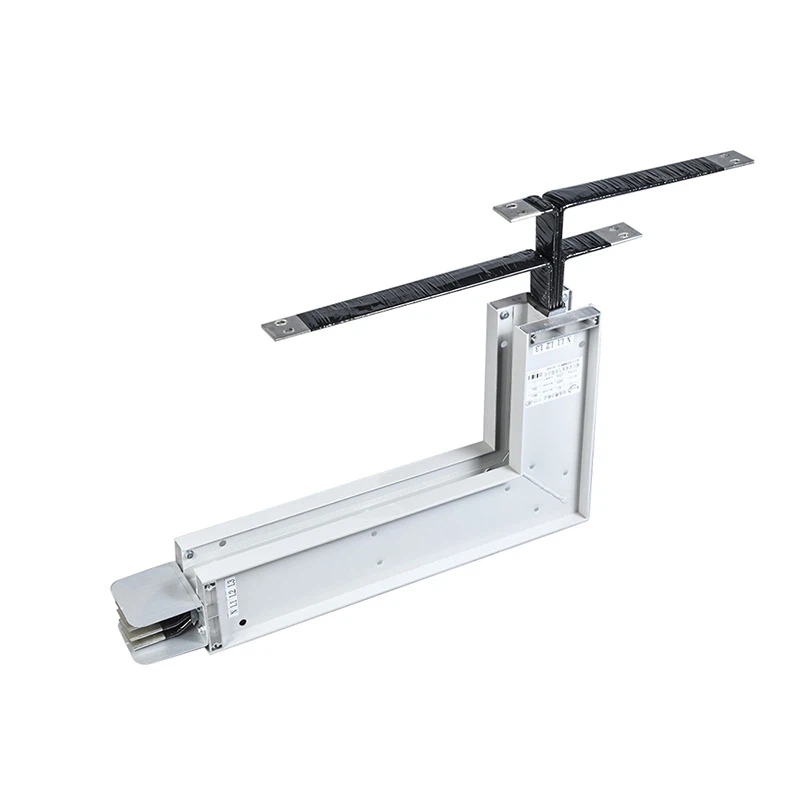
Sometimes, you might need a Non - Standard Bus Duct Flange End or other custom features for your specific application. Customization can increase the initial cost of the bus duct, but it can also provide long - term benefits. For example, a custom - designed bus duct can fit better into your existing electrical system, reducing the risk of installation issues and improving overall performance.
Estimating the Long - Term Cost
To estimate the long - term cost of using a copper bus duct, you need to consider all the factors I've mentioned above. Start by calculating the initial purchase cost and installation expenses. Then, estimate the annual energy savings based on the energy efficiency of the bus duct. Next, factor in the annual maintenance and repair costs. Finally, consider the lifespan of the bus duct and how often you'll need to replace it.
You can use a simple spreadsheet to keep track of all these costs over time. By adding up the costs for each year, you can get a clear picture of the long - term cost of using a copper bus duct.
Conclusion
Estimating the long - term cost of using a copper bus duct is a complex but important process. By considering factors like the initial purchase cost, installation expenses, energy efficiency, maintenance and repairs, lifespan, and customization, you can make an informed decision about whether a copper bus duct is the right choice for your project.

If you're interested in learning more about our copper bus ducts or getting a quote for your specific needs, feel free to reach out. We're here to help you find the best solution for your electrical distribution requirements.
References
- Electrical Engineering Handbook, Third Edition
- National Electrical Code (NEC)
- Industry reports on electrical distribution systems
Send Inquiry