

What are the thermal management features of a data center busway?
Dec 03, 2025
Leave a message
As a supplier of Data Center Busway, I am often asked about the thermal management features of our products. In this blog post, I will delve into the key thermal management aspects of a data center busway, explaining how these features contribute to the efficient and reliable operation of data centers.
Importance of Thermal Management in Data Centers
Data centers are the backbone of the digital age, housing countless servers and networking equipment that generate a significant amount of heat. Effective thermal management is crucial in data centers to prevent equipment overheating, which can lead to system failures, reduced performance, and increased energy consumption. A well-designed data center busway plays a vital role in managing heat and ensuring the stability of the electrical distribution system.
Thermal Management Features of Data Center Busway
1. High Thermal Conductivity Materials
Our Data Center Busway is constructed using materials with high thermal conductivity, such as copper and aluminum. These materials are excellent conductors of heat, allowing them to quickly dissipate the heat generated by the electrical current flowing through the busway. Copper, in particular, has a very high thermal conductivity, which enables it to transfer heat efficiently from the busbars to the surrounding environment.
The use of high thermal conductivity materials not only helps in keeping the busway cool but also reduces the risk of hotspots forming within the system. Hotspots can cause localized overheating, which can damage the insulation and other components of the busway, leading to potential safety hazards and system failures.
2. Air Insulation Design
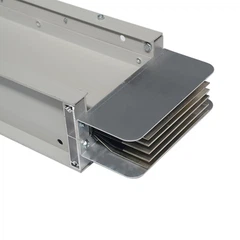
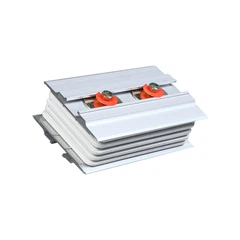
The Air-Insulated Bus Duct Feeder Unit and Air Insulated Busbar in our data center busway are designed with air insulation. Air is a natural insulator and also provides a medium for heat transfer. The air gaps between the busbars allow for natural convection, which helps in carrying away the heat generated by the electrical current.
This air insulation design also provides a buffer against external heat sources, protecting the busbars from overheating due to high ambient temperatures. Additionally, the air insulation reduces the need for additional insulation materials, which can sometimes trap heat and increase the temperature of the busway.
3. Ventilation and Cooling Channels
Our data center busway is equipped with ventilation and cooling channels that are strategically designed to enhance the airflow within the system. These channels allow for the efficient removal of hot air and the intake of cool air, ensuring a continuous flow of fresh air through the busway.
The ventilation channels are designed to minimize the resistance to airflow, which helps in maximizing the cooling efficiency. By promoting better airflow, the ventilation channels prevent the accumulation of heat within the busway, reducing the temperature of the busbars and other components. This, in turn, improves the overall performance and reliability of the data center busway.
4. Temperature Monitoring and Control
To ensure optimal thermal management, our data center busway is equipped with temperature monitoring sensors. These sensors continuously monitor the temperature of the busbars and other critical components, providing real-time data on the thermal conditions of the system.


The temperature data is then transmitted to a control system, which can automatically adjust the cooling settings based on the temperature readings. For example, if the temperature of the busbars exceeds a certain threshold, the control system can increase the airflow through the ventilation channels or activate additional cooling devices. This proactive approach to thermal management helps in preventing overheating and ensuring the safe and efficient operation of the data center busway.
5. Low Resistance Design
Our data center busway is designed with low resistance to minimize the heat generated by the electrical current. A low resistance busway reduces the power losses and heat dissipation, which helps in keeping the temperature of the system low.
The low resistance design is achieved through the use of high-quality materials and advanced manufacturing techniques. The busbars are carefully designed and fabricated to ensure a smooth and continuous flow of electrical current, minimizing the resistance and reducing the heat generation. This not only improves the energy efficiency of the data center busway but also extends the lifespan of the components.
Benefits of Effective Thermal Management
1. Improved System Reliability
By maintaining a stable operating temperature, the thermal management features of our data center busway help in improving the reliability of the electrical distribution system. Overheating can cause premature aging of the components, leading to increased failure rates and system downtime. With effective thermal management, the risk of component failure is significantly reduced, ensuring the continuous operation of the data center.
2. Energy Efficiency
Efficient thermal management reduces the energy consumption of the data center. By keeping the busway cool, the need for additional cooling equipment is minimized, which helps in saving energy and reducing the operating costs. Additionally, the low resistance design of the busway reduces the power losses, further improving the energy efficiency of the system.
3. Extended Component Lifespan
The thermal management features of our data center busway help in extending the lifespan of the components. By preventing overheating, the components are less likely to experience thermal stress and degradation, which can lead to premature failure. This not only reduces the maintenance costs but also ensures the long-term reliability of the data center busway.
Conclusion
In conclusion, the thermal management features of our Data Center Busway are essential for the efficient and reliable operation of data centers. The use of high thermal conductivity materials, air insulation design, ventilation and cooling channels, temperature monitoring and control, and low resistance design all contribute to maintaining a stable operating temperature and reducing the risk of overheating.
If you are looking for a reliable data center busway with excellent thermal management features, we would be happy to discuss your requirements. Our team of experts can provide you with detailed information and solutions tailored to your specific needs. Contact us today to start the procurement洽谈 process and ensure the optimal performance of your data center.
References
- IEEE Standards for Power Systems and Equipment
- ASHRAE (American Society of Heating, Refrigerating and Air-Conditioning Engineers) Guidelines for Data Center Thermal Management
Send Inquiry