

How to improve the dust - proof performance of air - insulated bus duct?
Dec 03, 2025
Leave a message
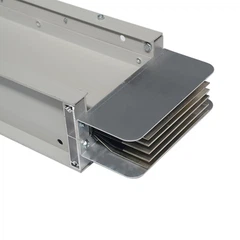
In modern electrical systems, air-insulated bus ducts play a crucial role in power distribution. They are widely used in various industrial, commercial, and residential settings due to their high efficiency, flexibility, and ease of installation. However, one of the significant challenges faced by air-insulated bus ducts is dust accumulation, which can lead to a range of issues such as reduced insulation performance, increased resistance, and potential short circuits. As a leading air-insulated bus duct supplier, we understand the importance of improving the dust-proof performance of our products. In this blog post, we will explore several effective strategies to enhance the dust-proof capabilities of air-insulated bus ducts.
Understanding the Impact of Dust on Air-Insulated Bus Ducts
Before delving into the solutions, it is essential to understand how dust affects air-insulated bus ducts. Dust particles can enter the bus duct through small gaps, ventilation openings, or during installation and maintenance. Once inside, these particles can accumulate on the conductive surfaces, insulation materials, and connection points. Over time, the accumulated dust can act as a conductor, reducing the insulation resistance between phases and to the ground. This can lead to increased leakage currents, power losses, and even electrical breakdowns. Additionally, dust can also cause mechanical issues, such as clogging of ventilation channels, which can affect the heat dissipation of the bus duct and lead to overheating.

Sealing Design and Materials
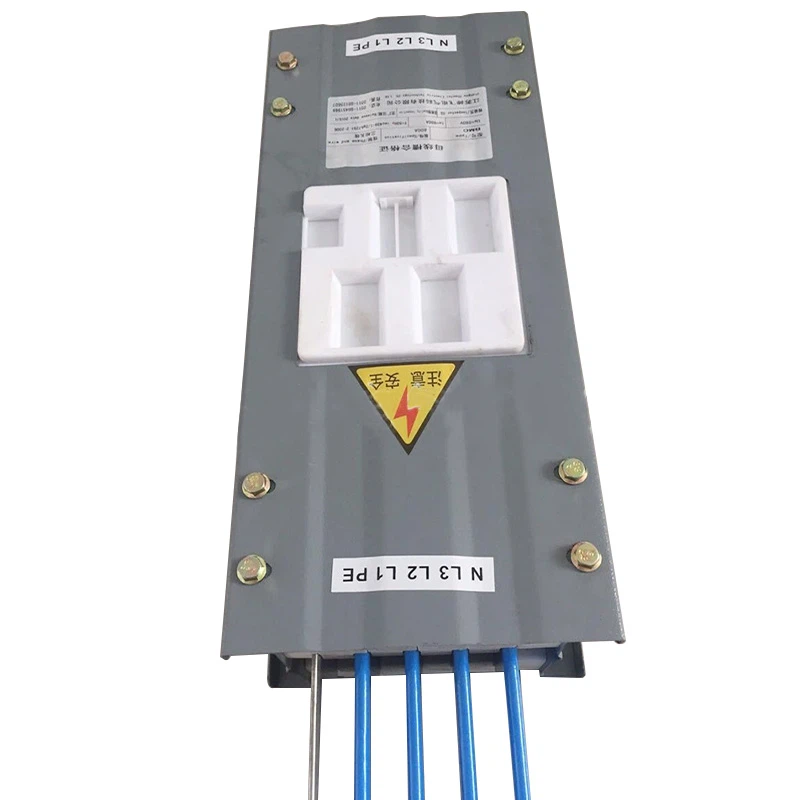
One of the most effective ways to improve the dust-proof performance of air-insulated bus ducts is to optimize the sealing design. A well-sealed bus duct can prevent dust from entering the interior, thereby reducing the risk of dust accumulation. Here are some key aspects to consider:
Sealing Gaskets
High-quality sealing gaskets are essential for preventing dust ingress. These gaskets should be made of materials with good elasticity, chemical resistance, and weather resistance. Silicone rubber is a popular choice for sealing gaskets in air-insulated bus ducts due to its excellent sealing properties, high temperature resistance, and long service life. When selecting sealing gaskets, it is important to ensure that they are properly sized and installed to provide a tight seal at all connection points, including joints between bus duct sections, covers, and access doors.
Enclosure Design
The design of the bus duct enclosure also plays a crucial role in dust prevention. The enclosure should be designed to minimize the number of openings and gaps. All ventilation openings should be equipped with fine mesh filters to prevent dust from entering while still allowing for proper air circulation. Additionally, the enclosure should have a smooth interior surface to prevent dust from adhering to it.
Installation Quality
Proper installation is key to ensuring the effectiveness of the sealing design. During installation, all connection points should be carefully tightened to ensure a proper seal. Any damaged or worn sealing gaskets should be replaced immediately. It is also important to follow the manufacturer's installation instructions to ensure that the bus duct is installed correctly and that all seals are intact.
Ventilation and Filtration Systems
While sealing is important, proper ventilation is also necessary for the normal operation of air-insulated bus ducts. Ventilation helps to dissipate heat generated during operation and maintain a stable temperature inside the bus duct. However, ventilation systems can also be a source of dust ingress if not properly designed. To address this issue, a combination of ventilation and filtration systems can be used.
Air Filters
Installing high-efficiency air filters in the ventilation system can effectively remove dust particles from the incoming air. These filters should be regularly inspected and replaced to ensure their effectiveness. The choice of air filters depends on the specific application and the level of dust in the environment. For environments with high dust levels, HEPA (High-Efficiency Particulate Air) filters may be required.
Ventilation Design
The ventilation design should be optimized to ensure that the air flow is evenly distributed throughout the bus duct. This can help to prevent the formation of stagnant air areas where dust can accumulate. Additionally, the ventilation system should be designed to minimize the entry of dust-laden air from the outside. For example, the intake vents can be located in areas with lower dust concentrations or equipped with deflectors to redirect dust-laden air away from the intake.
Surface Treatment and Coating
Applying a surface treatment or coating to the interior surfaces of the air-insulated bus duct can also help to improve its dust-proof performance. These treatments can create a smooth, non-stick surface that prevents dust from adhering to the surfaces.
Anti-Static Coating
Anti-static coatings can be applied to the interior surfaces of the bus duct to reduce the electrostatic charge on the surfaces. This can prevent dust particles from being attracted to the surfaces and reduce the amount of dust that accumulates. Anti-static coatings are particularly effective in environments with high levels of static electricity.
Protective Coating
A protective coating can also be applied to the interior surfaces of the bus duct to provide a barrier against dust and other contaminants. These coatings can be made of materials such as epoxy or polyurethane, which are resistant to abrasion, chemicals, and moisture. The protective coating can help to extend the service life of the bus duct and reduce the need for frequent cleaning.
Regular Maintenance and Inspection
Regular maintenance and inspection are essential for ensuring the long-term dust-proof performance of air-insulated bus ducts. Here are some key maintenance tasks:
Cleaning
Regular cleaning of the bus duct interior can remove accumulated dust and prevent it from causing problems. The cleaning frequency depends on the environment and the level of dust in the air. In high-dust environments, the bus duct may need to be cleaned more frequently. When cleaning, it is important to use appropriate cleaning tools and methods to avoid damaging the insulation materials and conductive surfaces.
Inspection
Regular inspection of the bus duct can help to detect any signs of dust accumulation, damage to the sealing gaskets, or other issues. During inspection, all connection points, ventilation openings, and insulation materials should be carefully checked. Any damaged or worn components should be replaced immediately.
Conclusion
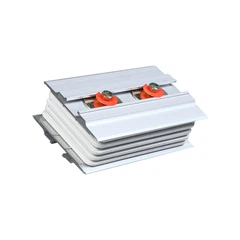
Improving the dust-proof performance of air-insulated bus ducts is crucial for ensuring their reliable and safe operation. By optimizing the sealing design, using ventilation and filtration systems, applying surface treatments and coatings, and conducting regular maintenance and inspection, we can effectively prevent dust from entering the bus duct and reduce the risk of dust-related issues. As a [your role] at [your company], we are committed to providing high-quality air-insulated bus ducts with excellent dust-proof performance. Our 3-Phase Air-Insulated Bus Duct, Air-Insulated Busway Tap Off Unit, and Data Center Busway are designed and manufactured to meet the highest standards of dust prevention. If you are interested in our products or have any questions about improving the dust-proof performance of air-insulated bus ducts, please feel free to contact us for more information and to discuss your specific requirements.
References
- [List the references here, for example, technical papers, industry standards, etc. without links]
- [Another reference if applicable]
Send Inquiry