

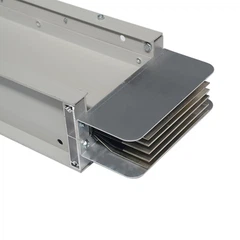
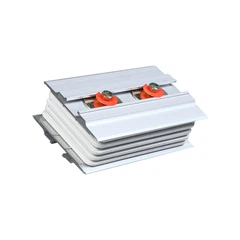
What are the requirements for the mechanical strength of a busway vertical elbow?
Aug 20, 2025
Leave a message
What are the requirements for the mechanical strength of a busway vertical elbow?
As a supplier of busway vertical elbows, I've had the privilege of working closely with various industries to understand their power distribution needs. The busway vertical elbow is a critical component in electrical distribution systems, especially in multi - story buildings and large industrial complexes. Its mechanical strength requirements are multifaceted and crucial for ensuring the long - term reliability and safety of the entire electrical infrastructure.
1. Structural Integrity
The primary requirement for the mechanical strength of a busway vertical elbow is to maintain its structural integrity under normal operating conditions. This means that it should be able to support its own weight, as well as the weight of the busbars and any additional components within it. For instance, in a large commercial building, a vertical elbow might need to support busbars that carry high - capacity electrical loads over several floors.
The materials used in the construction of the vertical elbow play a vital role in ensuring structural integrity. Commonly, high - quality steel or aluminum alloys are employed. Steel offers excellent strength and durability, while aluminum is lighter and has good corrosion resistance. The choice between these materials depends on factors such as the application environment, load requirements, and budget constraints.
2. Resistance to Vibration and Shock
In industrial settings, machinery and equipment often generate vibrations and shocks. A busway vertical elbow must be able to withstand these dynamic forces without damage. Vibration can cause loose connections, which may lead to overheating and electrical failures. Therefore, the elbow should be designed with proper bracing and fastening mechanisms to minimize the effects of vibration.
Shock resistance is also crucial, especially in areas where there is a risk of accidental impacts. For example, in a manufacturing plant where forklifts are in operation, the vertical elbow should be able to withstand minor collisions without compromising its electrical performance or structural stability.
3. Resistance to Bending and Twisting
During installation and operation, a busway vertical elbow may be subjected to bending and twisting forces. These forces can occur due to misalignment during installation or due to thermal expansion and contraction of the busbars. The elbow must be designed to resist these forces to prevent deformation and maintain proper electrical contact.
To achieve this, the cross - sectional shape and thickness of the elbow are carefully engineered. Reinforced ribs or stiffeners can be added to enhance the bending and twisting resistance. Additionally, the connection between the elbow and the busbars should be designed to allow for some flexibility while still maintaining a secure fit.
4. Compatibility with Different Busbar Types
Busway vertical elbows need to be compatible with different types of busbars, such as Aluminum Bus Duct, Rising Mains Bus Duct, and Phase Segregated Bus Duct. Each type of busbar has its own mechanical properties, and the elbow must be able to accommodate these differences.
For example, aluminum busbars are lighter than copper busbars, but they may have different expansion coefficients. The vertical elbow should be designed to handle these variations in thermal behavior to prevent stress on the busbars and the elbow itself.
5. Environmental Considerations
The mechanical strength requirements of a busway vertical elbow are also influenced by the environmental conditions in which it operates. In harsh environments, such as outdoor installations or areas with high humidity, the elbow must be resistant to corrosion. This can be achieved through the use of corrosion - resistant materials or protective coatings.
In areas with extreme temperatures, the elbow must be able to withstand thermal cycling without losing its mechanical strength. Thermal expansion and contraction can cause stress on the elbow, and proper design and material selection are necessary to ensure its long - term performance.
6. Installation Requirements
The mechanical strength of a busway vertical elbow should also be considered in the context of installation. It should be easy to install and align with the rest of the busway system. The weight of the elbow should be manageable for installation crews, and it should have clear markings and connection points to facilitate proper installation.
During installation, the elbow may be subjected to temporary loads and stresses. Therefore, it should be designed to withstand these installation - related forces without damage.
7. Testing and Certification
To ensure that a busway vertical elbow meets the required mechanical strength standards, it must undergo rigorous testing. These tests may include static load tests, vibration tests, and impact tests. The results of these tests are used to verify that the elbow can withstand the expected forces and conditions in its intended application.
Certification from recognized standards organizations, such as UL (Underwriters Laboratories) or IEC (International Electrotechnical Commission), provides assurance to customers that the elbow meets the necessary quality and safety requirements.
8. Long - Term Performance
The mechanical strength of a busway vertical elbow is not just about its initial performance but also its long - term durability. Over time, factors such as aging, wear and tear, and environmental exposure can affect its mechanical properties. Therefore, the elbow should be designed to have a long service life and require minimal maintenance.
Regular inspections and maintenance can help to identify any potential issues with the mechanical strength of the elbow before they lead to failures. This includes checking for signs of corrosion, loose connections, and deformation.
In conclusion, the mechanical strength requirements for a busway vertical elbow are complex and diverse. As a supplier, we understand the importance of meeting these requirements to provide our customers with a reliable and safe electrical distribution solution. Whether you are building a new commercial complex, an industrial plant, or upgrading an existing electrical system, choosing a busway vertical elbow with the appropriate mechanical strength is essential.


If you are in the market for high - quality busway vertical elbows that meet the highest mechanical strength standards, we invite you to contact us for a detailed discussion about your specific requirements. Our team of experts is ready to assist you in selecting the right product for your application and ensuring a seamless installation process.
References
- Electrical Power Distribution Handbook by John McDonald
- International Electrotechnical Commission (IEC) Standards on Busway Systems
- Underwriters Laboratories (UL) Standards for Electrical Equipment
Send Inquiry