

What is the influence of the spring material on a busway spring support?
Aug 20, 2025
Leave a message
Hey there! I'm a supplier of Busway Spring Support, and today I wanna chat about the influence of the spring material on a busway spring support.
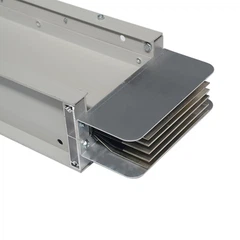
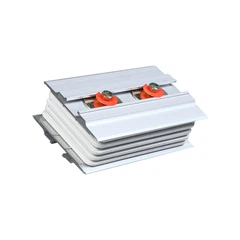
First off, let's understand what a busway spring support is. It's a crucial component in electrical systems, used to support busways, which are essentially enclosed metal raceways that carry electrical current. The spring support helps to ensure the stability and proper functioning of the busway by absorbing vibrations and providing flexibility.
Now, the material of the spring in a busway spring support can have a huge impact on its performance. There are several common spring materials out there, each with its own set of characteristics.
One of the most widely used materials is stainless steel. Stainless steel springs are known for their excellent corrosion resistance. In many industrial and commercial settings, the busway spring support might be exposed to moisture, chemicals, or other harsh environmental conditions. Stainless steel can withstand these elements without rusting or corroding easily. This means that the spring will maintain its structural integrity over a long period of time. For example, in a manufacturing plant where there might be some chemical fumes in the air, a stainless - steel spring support will last much longer compared to a spring made of a less corrosion - resistant material. However, stainless steel springs can be a bit more expensive than some other options.
Another popular material is carbon steel. Carbon steel springs are relatively inexpensive and have good strength. They can handle a decent amount of load and are often used in applications where cost is a major concern. But the downside is that carbon steel is prone to rusting if not properly coated or protected. In a humid environment, carbon steel springs can start to corrode quickly, which can weaken the spring and reduce its effectiveness. So, if you're using carbon steel springs in a busway spring support, you need to make sure they have a good protective coating.
Then there's phosphor bronze. Phosphor bronze springs have high electrical conductivity. This is really important in electrical applications like busway spring supports. Since the busway is all about carrying electrical current, having a spring with good electrical conductivity can help to ensure efficient power transfer. Phosphor bronze also has good fatigue resistance, which means it can withstand repeated loading and unloading without breaking or deforming easily. However, phosphor bronze is also relatively expensive, and it might not be as strong as some steel - based materials in terms of mechanical strength.
The choice of spring material also affects the flexibility of the busway spring support. A more flexible spring can better absorb vibrations and shocks. For instance, in a building where there are a lot of moving machinery nearby, a flexible spring can help to isolate the busway from the vibrations caused by the machinery. This can prevent damage to the busway and other connected electrical components. A spring made of a softer material like some types of copper alloys might be more flexible compared to a stiffer steel spring.
The durability of the busway spring support is directly related to the spring material. A high - quality spring material will result in a more durable support. A durable support means less maintenance and replacement costs in the long run. For example, if you choose a spring material that can resist wear and tear well, you won't have to keep replacing the spring support as often. This is especially important in large - scale electrical systems where there are many busway spring supports.
When it comes to compatibility with other components in the busway system, the spring material matters too. Some materials might react with other metals or substances in the system. For example, if a spring is made of a material that is chemically reactive with the Copper Busway Connector, it could cause corrosion or other problems at the connection point. So, you need to make sure that the spring material is compatible with all the other parts of the busway system.
The temperature resistance of the spring material is also a key factor. In some electrical applications, the busway can get quite hot due to the flow of electrical current. A spring material that can withstand high temperatures without losing its properties is essential. For example, in a high - power electrical substation, the busway can reach high temperatures during peak usage. A spring made of a material with poor temperature resistance might start to soften or lose its strength at these high temperatures, which can lead to failure of the spring support.
If you're considering using Copper - Clad Aluminum Conductor in your busway system, the spring material needs to be carefully selected to ensure good electrical contact and mechanical compatibility. Copper - clad aluminum conductors have their own unique properties, and the spring support should be able to work well with them.


Similarly, when working with a Busway Feeder Box, the spring support's material can impact how well it fits and functions within the box. The spring needs to be able to provide the right amount of support and flexibility to keep the busway properly connected and stable inside the feeder box.
In conclusion, the spring material has a far - reaching influence on a busway spring support. It affects the support's corrosion resistance, strength, electrical conductivity, flexibility, durability, compatibility with other components, and temperature resistance. As a supplier of Busway Spring Support, I understand the importance of choosing the right spring material for different applications. Whether you're dealing with a small - scale electrical system in an office building or a large - scale industrial electrical setup, the choice of spring material can make or break the performance of the busway spring support.
If you're in the market for busway spring supports and have questions about which spring material is best for your specific needs, don't hesitate to reach out. We're here to help you make the right choice and ensure that your electrical system runs smoothly. Contact us to start a procurement discussion and find the perfect busway spring support for your project.
References
- "Materials Science for Engineers" by Van Vlack, L. H.
- "Electrical Engineering Handbook" edited by Richard C. Dorf.
Send Inquiry