

Can air - insulated bus duct be used in high - temperature environments?
Dec 05, 2025
Leave a message
Hey there! As a supplier of air-insulated bus ducts, I often get asked if these bad boys can be used in high-temperature environments. It's a super important question, especially when you're looking at industrial settings or places with extreme climate conditions. So, let's dig into this topic and see what the deal is.
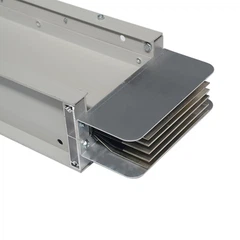
First off, let's understand what an air-insulated bus duct is. It's basically a system used to carry electric power. It consists of copper or aluminum conductors that are separated by air and enclosed in a metal housing. These things are pretty popular because they're flexible, easy to install, and can handle a good amount of power. You can check out our Lighting Bus Duct for more info on a specific type of air-insulated bus duct.
Now, when it comes to high-temperature environments, there are a few factors we need to consider. The first one is the material of the conductors. Copper and aluminum are the most common materials used in bus ducts. Copper is a great conductor and has good thermal properties. It can handle high temperatures better than aluminum to some extent. But both materials have their limits.
When the temperature rises, the resistance of the conductors increases. This means that more energy is lost as heat, which can lead to overheating. If the temperature gets too high, it can damage the insulation and the conductors themselves. The air insulation in the bus duct also plays a crucial role. Air is a good insulator, but at high temperatures, its insulating properties can change. The air can expand, and this may affect the spacing between the conductors. If the conductors get too close, it can lead to short circuits or arcing, which is definitely not something you want.
Another thing to think about is the ambient temperature. In a high-temperature environment, the surrounding air is already hot. This makes it harder for the bus duct to dissipate heat. The metal housing of the bus duct helps to some extent by acting as a heat sink. But if the ambient temperature is extremely high, it may not be enough.
So, can air-insulated bus ducts be used in high-temperature environments? The answer is yes, but with some precautions. We've designed our Air-Insulated Bus Duct Feeder Unit to handle a certain range of temperatures. We use high-quality materials and advanced manufacturing techniques to ensure that the bus ducts can perform well even in tough conditions.
One of the things we do is to use special insulation materials. These materials are designed to withstand high temperatures without losing their insulating properties. We also make sure that the conductors are properly sized. A larger conductor can handle more current and generate less heat. This helps to keep the temperature of the bus duct under control.
Proper ventilation is also essential. We can design the bus duct system with ventilation channels to allow hot air to escape. This helps to maintain a lower temperature inside the bus duct. In some cases, we may even recommend using additional cooling systems, such as fans or heat exchangers.
It's also important to monitor the temperature of the bus duct. We can install temperature sensors to keep an eye on the temperature. If the temperature gets too high, an alarm can be triggered, and appropriate action can be taken.
Now, let's talk about some real-world applications. In industries like steel manufacturing, glass production, and foundries, the temperatures can be extremely high. Air-insulated bus ducts can still be used in these environments, but they need to be carefully selected and installed. For example, in a steel mill, the bus ducts may be exposed to radiant heat from the furnaces. We need to make sure that the bus ducts are installed at a safe distance from the heat source and that they are protected from direct heat.
In data centers, although the overall temperature is usually controlled, there can be hot spots. Air-insulated bus ducts can be used to distribute power within the data center. But again, proper ventilation and temperature monitoring are crucial.
If you're considering using air-insulated bus ducts in a high-temperature environment, it's important to consult with an expert. We have a team of experienced engineers who can help you choose the right bus duct for your specific needs. They can also provide advice on installation, maintenance, and temperature management.
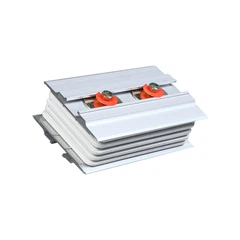
Our Air Insulated Busbar is another option that you might want to consider. It's designed to be reliable and efficient, even in challenging environments.
In conclusion, air-insulated bus ducts can be used in high-temperature environments, but it requires careful planning and the right design. We've been in the business for a long time, and we know how to make our bus ducts work in tough conditions. If you're interested in learning more about our products or have a specific project in mind, don't hesitate to reach out. We're here to help you find the best solution for your power distribution needs.
References


- Electrical Power Distribution Handbook
- Handbook of Electrical Engineering
So, if you're looking for a reliable air-insulated bus duct for your high-temperature application, give us a shout. We're ready to have a chat and see how we can help you out.
Send Inquiry