

Tips For Using Dense Bus Duct
Jun 20, 2025
Leave a message
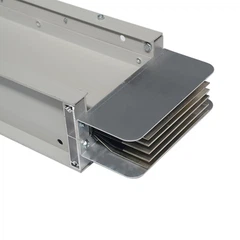
With the increasing requirements for power transmission efficiency in modern industrial and commercial buildings, dense bus duct has become an important choice in power distribution systems due to its high current carrying capacity, compact structure and easy installation. However, the correct use and maintenance of dense bus duct is essential to ensure the stable operation of the power system. Here are some practical tips to help users give full play to its performance advantages.

First, when installing dense bus duct, ensure that the ambient temperature and humidity meet the product requirements. Generally, the working environment temperature of the bus duct should be controlled between -5℃ and 40℃, and the relative humidity should not exceed 95%. If the environmental conditions are out of range, it may cause the insulation performance to deteriorate or the metal parts to corrode, affecting the service life. Before installation, the appearance of the bus duct should be carefully checked to ensure that there is no deformation, scratches or missing accessories, and the installation manual provided by the manufacturer should be strictly followed.
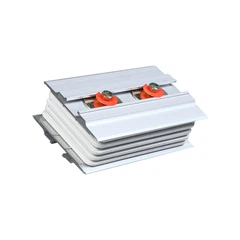
Secondly, the connection part of the dense bus duct is the key. When connecting the bus duct unit, special tools should be used to ensure a tight connection to avoid heating or arcing due to poor contact. After the connection is completed, the tightness of the bolts should be checked with a torque wrench to prevent safety hazards caused by looseness. In addition, regular inspection of the tightness of the connection points, especially in high-load operating environments, can effectively prevent faults.
In daily maintenance, it is recommended to conduct a comprehensive inspection of the dense bus duct every six months. Focus on checking whether the insulation material is aging, whether the shell is damaged, and whether the connection points are loose. If the insulation layer is damaged or the metal parts are rusted, they should be replaced or repaired in time to avoid affecting the power transmission efficiency or causing safety accidents. At the same time, keeping the bus duct well ventilated to avoid dust or debris accumulation will help extend its service life.
Finally, the current carrying capacity of the dense bus duct needs to be reasonably selected according to the actual load. If it is overloaded for a long time, it may cause the bus duct to overheat and even cause a fire. Therefore, when designing the power system, a certain capacity margin should be reserved, and the current load should be monitored regularly to ensure the safe and stable operation of the system.
Mastering these usage tips can not only improve the operating efficiency of the dense bus duct, but also effectively reduce maintenance costs, and provide guarantees for the safety and reliability of the power system.
Send Inquiry