

Key Considerations For Selecting Materials For Dense Bus Duct
Jun 19, 2025
Leave a message
In modern power transmission systems, dense bus ducts are widely used in industrial plants, commercial buildings, data centers and other fields due to their high efficiency and compactness.
However, the performance and reliability of bus ducts depend largely on the selection of their materials. The correct selection of materials can not only improve the conductivity efficiency, but also enhance the corrosion resistance, mechanical strength and service life. This article will explore the core factors for selecting materials for dense bus ducts.
First, the conductor material is the core part of the bus duct and directly affects the current transmission efficiency. Copper is the most commonly used conductor material due to its excellent conductivity and corrosion resistance. Although copper has a high cost, its long-term stability and low energy consumption make it the first choice for high-end applications. Aluminum is used in some weight-sensitive or budget-limited occasions due to its lightweight and cost advantages, but its conductivity is low and the performance gap needs to be compensated by increasing the cross-sectional area.
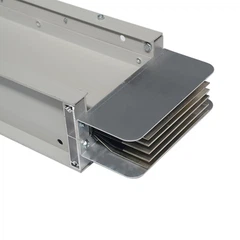
Second, the choice of shell material is related to the mechanical protection and environmental adaptability of the bus duct. Galvanized steel sheets are widely used in general industrial environments due to their good strength and rust resistance. Stainless steel housing is suitable for highly corrosive places, such as chemical or coastal areas, but its cost is relatively high. Aluminum alloy housing is both lightweight and corrosion-resistant, suitable for scenes with weight requirements, such as high-rise buildings.
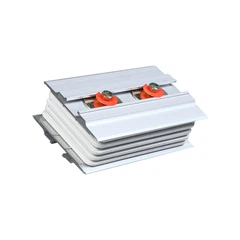
In addition, the performance of insulating materials directly affects the safety and durability of bus ducts. Epoxy resin is often used in high-voltage bus ducts due to its excellent insulation and high temperature resistance. Polyester film or mica tape is suitable for medium and low voltage environments, providing reliable insulation protection.
Finally, the choice of material also needs to consider the installation environment and usage requirements. For example, in humid or corrosive environments, stainless steel or coated steel housings should be preferred, and weather-resistant insulating materials should be used. In dry and clean environments, galvanized steel plates and ordinary insulating materials can meet the needs.
In short, the material selection of dense bus ducts needs to comprehensively consider factors such as conductivity, corrosion resistance, mechanical strength and cost. Only by optimizing the material matching according to the specific application scenario can the efficient and safe operation of the bus duct be ensured.

Send Inquiry