

Which type of data center busway is more suitable for a large - scale data center?
Sep 05, 2025
Leave a message
Hey there! I'm a supplier of Data Center Busway, and today I want to have a chat about which type of data center busway is more suitable for a large - scale data center.
Let's start by understanding what a data center busway is. In simple terms, it's a crucial part of the electrical distribution system in a data center. It's responsible for safely and efficiently carrying electrical power from the source to various equipment within the data center. Now, large - scale data centers have unique requirements. They need high - capacity power distribution, reliability, and flexibility to adapt to changing power needs.
There are several types of data center busways out there, but in this blog, I'll focus on some common ones and break down their pros and cons to help you figure out which one is the best fit for a large - scale data center.
Lighting Bus Duct
First up, the Lighting Bus Duct. As the name suggests, it's often used for lighting systems in data centers. But it can also be used for other low - power applications.
One of the big advantages of the lighting bus duct is its flexibility. It's relatively easy to install and can be easily reconfigured if you need to change the layout of your data center. For example, if you're adding new racks or moving existing ones around, you can quickly adjust the lighting bus duct to meet the new power requirements.
Another plus is its cost - effectiveness. Since it's designed for low - power applications, it's generally less expensive than some of the other busway types. This can be a significant factor for large - scale data centers that are looking to keep costs down.
However, the lighting bus duct also has its limitations. Its power - carrying capacity is relatively low. In a large - scale data center, where high - power servers and other equipment are the norm, the lighting bus duct may not be able to handle the load. So, while it's great for lighting and other low - power needs, it's probably not the best choice for powering the main servers and critical equipment.
3 - Phase Air - Insulated Bus Duct
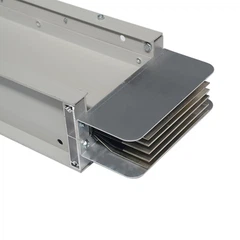
Next, let's talk about the 3 - Phase Air - Insulated Bus Duct. This type of busway is a popular choice for large - scale data centers.
The 3 - phase air - insulated bus duct offers high power - carrying capacity. It can handle large amounts of electrical current, making it suitable for powering high - power servers, cooling systems, and other critical equipment in a data center. This high capacity is essential in large - scale data centers, where the demand for power is constantly increasing.
It also has good thermal performance. The air insulation helps to dissipate heat effectively, which is crucial in a data center environment where overheating can cause equipment failures. This means that the 3 - phase air - insulated bus duct can operate reliably even under heavy loads.
On the downside, the 3 - phase air - insulated bus duct is more expensive than the lighting bus duct. The cost of materials and installation can be relatively high. Also, it's less flexible in terms of reconfiguration. Once it's installed, making significant changes to the layout can be time - consuming and costly.
Air - Insulated Bus Duct Feeder Unit
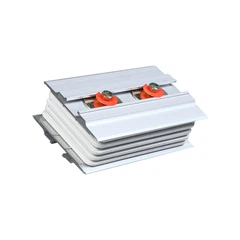
Finally, we have the Air - Insulated Bus Duct Feeder Unit. This is a specialized type of busway that is often used as a feeder to distribute power from the main electrical source to different sections of the data center.
One of the key benefits of the air - insulated bus duct feeder unit is its reliability. It's designed to provide a stable and continuous power supply to the data center. This is especially important in large - scale data centers, where any power outage can result in significant losses.
It also offers high - speed power distribution. The feeder unit can quickly transfer electrical power to different parts of the data center, ensuring that all equipment has access to the power it needs when it needs it.
But, like the 3 - phase air - insulated bus duct, the air - insulated bus duct feeder unit can be expensive. And it may require more maintenance compared to some of the other busway types. Regular inspections and testing are necessary to ensure its continued reliability.
So, Which One Is More Suitable?
So, after looking at the pros and cons of each type of data center busway, which one is more suitable for a large - scale data center? Well, it really depends on your specific needs.
If you're looking for a cost - effective solution for low - power applications like lighting, the lighting bus duct is a great choice. It's flexible and easy to work with, and it won't break the bank.
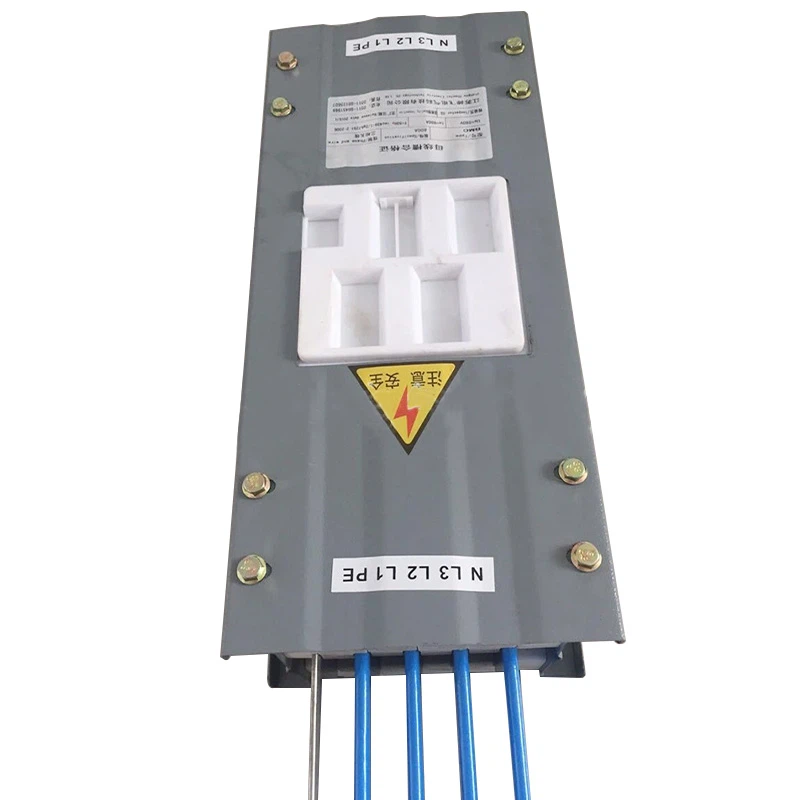

However, for powering the main servers and critical equipment, the 3 - phase air - insulated bus duct is usually the better option. Its high power - carrying capacity and good thermal performance make it ideal for the high - demand environment of a large - scale data center.
The air - insulated bus duct feeder unit is also a valuable addition to a large - scale data center. It provides reliable and high - speed power distribution, which is essential for the smooth operation of the entire facility.
In most cases, a combination of these busway types is often the best approach. You can use the lighting bus duct for low - power needs, the 3 - phase air - insulated bus duct for high - power equipment, and the air - insulated bus duct feeder unit to distribute power efficiently throughout the data center.
Let's Talk
If you're in the process of building or upgrading a large - scale data center and you're not sure which type of data center busway is right for you, I'd love to have a chat. As a supplier, I have the knowledge and experience to help you make the best decision for your specific situation. Whether it's choosing the right busway type, sizing it correctly, or ensuring proper installation, I'm here to assist you every step of the way. So, don't hesitate to reach out and let's start a conversation about your data center's power distribution needs.
References
- Electrical Distribution Handbook for Data Centers
- Industry reports on data center power management
Send Inquiry