

What are the safety regulations for using bus duct flanges?
Sep 04, 2025
Leave a message
Hey there! As a supplier of bus duct flanges, I've seen firsthand how crucial it is to follow safety regulations when using these components. In this blog post, I'll share some essential safety tips to keep in mind when working with bus duct flanges.
Understanding Bus Duct Flanges
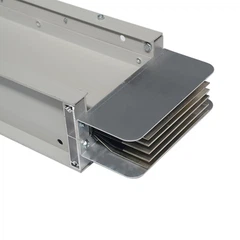
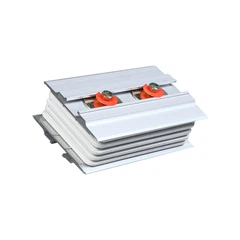
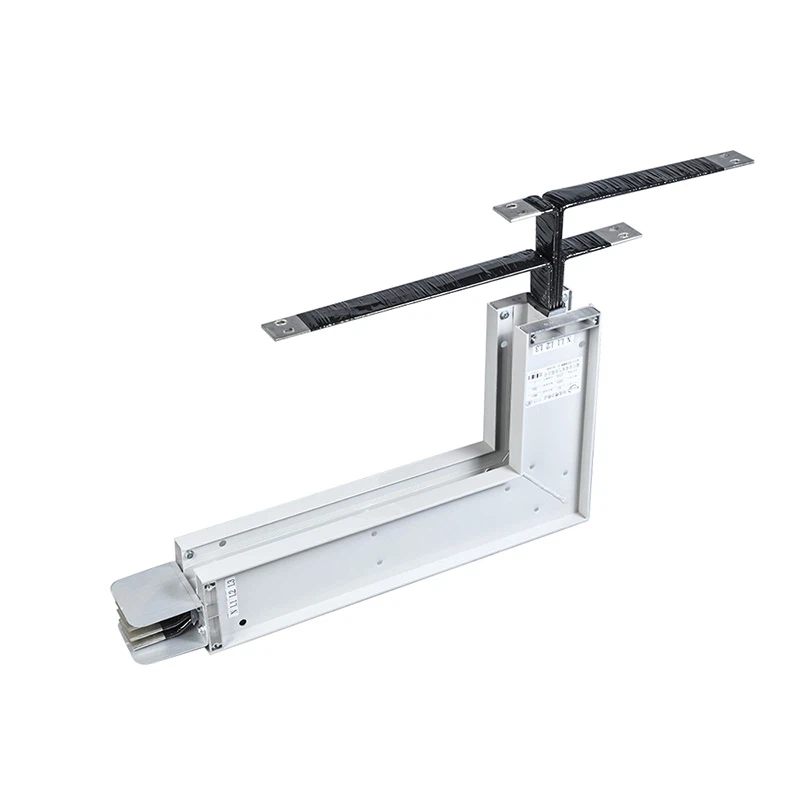
Before we dive into the safety regulations, let's quickly go over what bus duct flanges are. Bus duct flanges are used to connect sections of bus ducts, which are used to distribute electrical power in buildings, industrial facilities, and other applications. They play a vital role in ensuring a secure and reliable electrical connection.

Safety Regulations for Using Bus Duct Flanges
1. Installation by Qualified Personnel
First and foremost, bus duct flanges should only be installed by qualified electrical personnel. These individuals have the necessary training and experience to handle electrical equipment safely. They understand the electrical codes and standards that apply to bus duct installations and can ensure that everything is installed correctly.
2. Inspection Before Installation
Before installing bus duct flanges, it's important to inspect them thoroughly. Check for any signs of damage, such as cracks, dents, or corrosion. Damaged flanges can compromise the integrity of the electrical connection and pose a safety hazard. If you find any damaged flanges, don't use them. Instead, replace them with new ones.
3. Proper Torqueing
When installing bus duct flanges, it's crucial to use the correct torque when tightening the bolts. Over - tightening or under - tightening the bolts can lead to loose connections, which can cause overheating and electrical arcing. Follow the manufacturer's specifications for the proper torque values. Using a torque wrench is the best way to ensure that the bolts are tightened to the correct specifications.
4. Grounding
Proper grounding is essential for the safety of bus duct systems. Bus duct flanges should be properly grounded to prevent electrical shock and to protect against electrical faults. Make sure that the grounding conductors are connected securely to the flanges and that they are in accordance with the local electrical codes.
5. Environmental Considerations
The environment in which the bus duct flanges are installed can also affect their safety. For example, if the installation is in a wet or corrosive environment, special precautions need to be taken. Consider using corrosion - resistant materials for the flanges and protecting them with appropriate coatings. In addition, make sure that the bus duct system is installed in a location where it is not likely to be damaged by physical impact.
6. Regular Maintenance
Regular maintenance is key to ensuring the continued safety of bus duct flanges. Schedule periodic inspections to check for any signs of wear, damage, or loose connections. Clean the flanges regularly to remove any dirt, dust, or debris that could affect their performance. If any issues are found during the inspection, address them immediately.
Our Product Range
As a bus duct flange supplier, we offer a wide range of products to meet your needs. We have Aluminum Bus Duct, which is lightweight and corrosion - resistant, making it suitable for a variety of applications. Our Non - Standard Bus Duct Flange End is designed to meet specific requirements and can be customized to fit your project. And our New Generation Sandwich Busduct offers improved performance and safety features.
Why Choose Us
We take pride in providing high - quality bus duct flanges that meet the highest safety standards. Our products are manufactured using the latest technology and materials to ensure reliability and durability. We also offer excellent customer service and technical support to help you with your installation and maintenance needs.
Let's Connect
If you're in the market for bus duct flanges, I encourage you to get in touch with us. Whether you have questions about our products, need help with installation, or want to discuss a custom project, we're here to assist you. We're committed to providing you with the best products and services to ensure the safety and efficiency of your electrical systems.
References
- National Electrical Code (NEC)
- Manufacturer's installation and maintenance manuals for bus duct flanges
Send Inquiry