

What special installation techniques are required for a busway connector in a confined space?
Nov 18, 2025
Leave a message
When it comes to electrical power distribution, busway systems have emerged as a reliable and efficient solution. As a leading supplier of Busway Connector, I've witnessed firsthand the challenges and intricacies involved in their installation, especially in confined spaces. In this blog post, I'll delve into the special installation techniques required for busway connectors in such environments, offering insights based on years of industry experience.
Understanding the Challenges of Confined Spaces
Confined spaces present a unique set of challenges that can complicate the installation of busway connectors. Limited access, restricted maneuverability, and potential interference from existing structures or equipment are just a few of the issues that installers may encounter. These challenges can not only slow down the installation process but also increase the risk of errors and safety hazards.
One of the primary challenges in confined spaces is the lack of space for proper tool usage and movement. Installers may find it difficult to position themselves comfortably to access the connector installation points, which can make tasks such as tightening bolts or making electrical connections more challenging. Additionally, the presence of other equipment or structures in the vicinity can further restrict access, requiring installers to be creative in their approach.
Another challenge is the potential for interference with existing electrical systems or other infrastructure. In a confined space, there may be limited clearance between the busway connector and other components, increasing the risk of short circuits or other electrical problems. Installers must take extra care to ensure that the connector is installed in a way that minimizes the risk of interference and maintains proper electrical isolation.
Special Installation Techniques
To overcome the challenges of installing busway connectors in confined spaces, several special techniques can be employed. These techniques are designed to improve access, reduce the risk of errors, and ensure the safety and reliability of the installation.

Pre-Installation Planning
Thorough pre-installation planning is crucial when working in confined spaces. This includes conducting a detailed site survey to identify any potential obstacles or challenges that may arise during the installation process. The survey should also include measurements of the available space to ensure that the busway connector will fit properly and that there is sufficient clearance for installation and maintenance.
During the planning phase, it's also important to develop a detailed installation plan that outlines the steps involved in the installation process. This plan should include a timeline, a list of required tools and materials, and any special procedures or safety precautions that need to be taken. By having a well-defined plan in place, installers can minimize the risk of errors and ensure that the installation is completed efficiently and safely.
Modular Design
One of the key advantages of busway systems is their modular design, which allows for easy installation and customization. In confined spaces, this modularity can be particularly beneficial, as it allows installers to break the installation process down into smaller, more manageable steps.
For example, instead of trying to install a large, pre-assembled busway connector in a single piece, installers can use smaller, modular components that can be easily maneuvered into place. These components can then be assembled on-site, reducing the need for large, bulky equipment and making the installation process more flexible.
Flexible Busbars
Flexible Aluminum Busbar can be a valuable tool when installing busway connectors in confined spaces. These busbars are designed to be flexible, allowing them to be bent and shaped to fit around obstacles or into tight spaces.
Flexible busbars can also help to reduce the overall size and weight of the busway system, making it easier to install and transport. Additionally, they can provide better electrical performance than traditional rigid busbars, as they can conform to the shape of the installation area, reducing the risk of electrical interference and improving the efficiency of the power distribution system.
Remote Installation Tools
In some cases, it may be necessary to use remote installation tools to access hard-to-reach areas in a confined space. These tools can include long-reach wrenches, telescopic handles, and other specialized equipment that allows installers to perform tasks from a distance.
Remote installation tools can help to improve access and reduce the risk of injury to installers, as they can be used to reach areas that would otherwise be difficult or impossible to access. Additionally, they can help to improve the accuracy and precision of the installation process, as they allow installers to control the tools more effectively.
Safety Precautions
Safety is always a top priority when working with electrical systems, and this is especially true in confined spaces. Installers should take extra precautions to ensure their safety and the safety of others during the installation process.
This includes wearing appropriate personal protective equipment (PPE), such as safety glasses, gloves, and hard hats. Installers should also follow all relevant safety regulations and guidelines, and ensure that the installation area is properly ventilated to prevent the buildup of hazardous gases or fumes.
The Role of the Busway Feeder Box
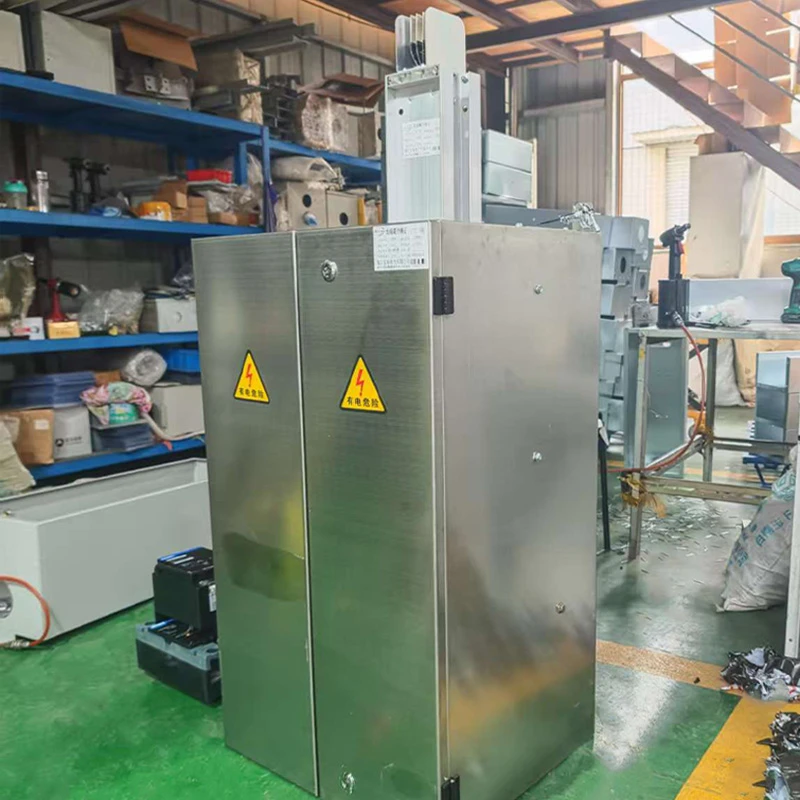
The Busway Feeder Box plays a crucial role in the installation of busway connectors, especially in confined spaces. This box serves as a central hub for the power distribution system, providing a convenient and safe way to connect the busway to the main power source.
In a confined space, the busway feeder box can be designed to be compact and modular, allowing it to be easily installed and integrated into the existing electrical infrastructure. It can also be equipped with features such as circuit breakers, fuses, and other protective devices to ensure the safety and reliability of the power distribution system.
Conclusion
Installing busway connectors in confined spaces requires careful planning, specialized techniques, and a focus on safety. By understanding the challenges involved and employing the right strategies, installers can ensure that the installation is completed efficiently and safely, while also maintaining the performance and reliability of the power distribution system.
As a supplier of high-quality busway connectors, we are committed to providing our customers with the support and expertise they need to overcome the challenges of installing these systems in confined spaces. If you're interested in learning more about our products or discussing your specific installation requirements, please don't hesitate to contact us. We look forward to working with you to find the best solution for your electrical power distribution needs.
References
- Electrical Installation Handbook, Schneider Electric
- National Electrical Code (NEC), National Fire Protection Association (NFPA)
- Busway Systems: Design, Installation, and Maintenance, IEEE Standards Association
Send Inquiry