

How to store a busway spring support properly?
Nov 17, 2025
Leave a message
Proper storage of busway spring supports is crucial to maintain their quality and performance over time. As a supplier of busway spring supports, I understand the importance of ensuring that these components are stored correctly to prevent damage and ensure they are in optimal condition when they reach our customers. In this blog post, I will share some key guidelines on how to store busway spring supports properly.
Understanding the Importance of Proper Storage
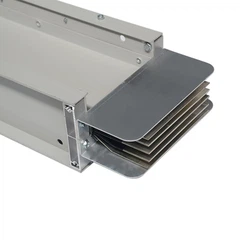
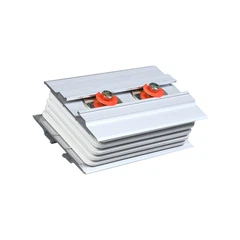
Busway spring supports are designed to provide flexible support for busways, allowing for movement due to thermal expansion, vibration, and other factors. These supports are typically made of high - quality materials such as steel or stainless steel, and they are precision - engineered to meet specific performance requirements.
Improper storage can lead to a variety of issues, including corrosion, deformation, and damage to the spring mechanism. Corrosion can weaken the material, reducing the support's load - bearing capacity and lifespan. Deformation can cause the spring to lose its elasticity, which may result in improper support for the busway. Damage to the spring mechanism can lead to inconsistent performance and potential failure of the support system.
Ideal Storage Conditions
Temperature and Humidity
The first step in proper storage is to control the temperature and humidity of the storage environment. Busway spring supports should be stored in a dry place with a relatively stable temperature. High humidity can accelerate corrosion, especially for supports made of steel. A humidity level below 60% is generally recommended.
The ideal temperature range for storing busway spring supports is between 10°C and 30°C (50°F and 86°F). Extreme temperatures can affect the material properties of the spring. For example, very low temperatures can make the spring more brittle, while high temperatures can cause the spring to lose its elasticity over time.
Protection from Physical Damage
Busway spring supports should be stored in a location where they are protected from physical damage. They should not be stacked in a way that causes excessive pressure on the springs. Instead, they can be stored on shelves or in storage racks. If they need to be stacked, use appropriate spacers to prevent the springs from being compressed or deformed.
Avoid storing the supports in areas where they can be knocked over or hit by other objects. This can cause dents, bends, or other forms of damage to the support structure.
Protection from Chemicals
The storage area should be free from exposure to chemicals that can corrode or damage the busway spring supports. Chemicals such as acids, alkalis, and solvents can react with the metal surface of the supports, leading to corrosion and degradation. If the storage area is near a chemical - handling area, proper barriers or ventilation should be in place to prevent chemical fumes from reaching the supports.


Packaging and Labeling
Appropriate Packaging
When receiving busway spring supports from the manufacturer, they usually come in protective packaging. This packaging is designed to provide an initial layer of protection during transportation. However, if the supports need to be stored for an extended period, additional packaging may be required.
For example, individual supports can be wrapped in anti - corrosion paper or plastic film to prevent direct contact with air and moisture. Larger quantities of supports can be stored in sealed containers or crates. This not only protects the supports from environmental factors but also makes them easier to handle and organize.
Labeling
Proper labeling is essential for easy identification and inventory management. Each package or container should be labeled with the product name, model number, quantity, and the date of storage. This information helps in quickly locating the required supports and also allows for tracking the storage time. If a support has been stored for a long time, it may need to be inspected more thoroughly before use.
Regular Inspection
Even when stored under ideal conditions, busway spring supports should be inspected regularly. A visual inspection can help detect any signs of corrosion, deformation, or damage. Look for rust spots, cracks, or any changes in the shape of the spring.
If any issues are detected during the inspection, appropriate measures should be taken immediately. Minor corrosion can sometimes be removed by cleaning and applying a protective coating. However, if the damage is severe, the support may need to be replaced.
Complementary Busway Components
In addition to busway spring supports, there are other important components in a busway system. For example, the Busway Connector Insulation Plate plays a crucial role in ensuring electrical insulation between busway connectors. The Bus Duct Enclosure provides physical protection for the bus ducts, preventing damage from external factors. And the Copper Busway Connector is used to connect different sections of the busway, ensuring efficient electrical transmission.
Conclusion
Proper storage of busway spring supports is essential for maintaining their quality and performance. By controlling the storage environment, protecting the supports from physical and chemical damage, using appropriate packaging and labeling, and conducting regular inspections, we can ensure that the supports are in optimal condition when they are needed.
As a supplier of busway spring supports, we are committed to providing high - quality products and sharing our expertise on proper storage and usage. If you are interested in purchasing busway spring supports or have any questions about their storage or application, please feel free to contact us for further discussion and procurement negotiation.
References
- Electrical Installation Handbook, Schneider Electric
- Busway System Design and Installation Guide, Siemens
Send Inquiry