

What safety measures should be taken when using Air Insulated Busbar?
Nov 18, 2025
Leave a message
When it comes to electrical distribution systems, air insulated busbars play a crucial role in efficiently transmitting electrical power. As a reliable supplier of air insulated busbars, I understand the importance of safety when using these systems. In this blog post, I will discuss the essential safety measures that should be taken when using air insulated busbars to ensure the well - being of personnel and the proper functioning of the electrical infrastructure.


1. Installation Safety
- Proper Planning and Design: Before installation, a detailed plan should be developed. This includes determining the appropriate size and rating of the air insulated busbar based on the electrical load requirements. The layout of the busbar system should be carefully designed to avoid sharp bends, which can cause excessive electrical stress. The installation site should be inspected to ensure that it meets the environmental requirements, such as proper ventilation and protection from moisture and dust. For example, in industrial settings where there are high levels of dust, additional dust - proof enclosures may be required.
- Qualified Installers: Only qualified and experienced electricians should be involved in the installation process. They should be familiar with the manufacturer's installation instructions and relevant electrical codes and standards. Incorrect installation can lead to loose connections, which can cause overheating and potential electrical fires. For instance, if the busbar joints are not tightened properly, the resistance at the joint will increase, resulting in excessive heat generation.
- Grounding: Proper grounding is essential for the safety of air insulated busbar systems. The busbar should be connected to a reliable grounding system to prevent the build - up of static electricity and to provide a path for fault currents. The grounding conductor should have an appropriate cross - sectional area to handle the expected fault current. This helps to protect personnel from electric shock in case of a fault in the system.
2. Operation and Maintenance Safety
- Regular Inspections: Regular inspections of the air insulated busbar system are necessary to detect any signs of wear, damage, or overheating. Visual inspections can reveal loose connections, damaged insulation, or signs of arcing. Thermal imaging cameras can be used to detect hot spots in the busbar system, which may indicate potential problems. For example, if a particular section of the busbar is running hotter than normal, it could be due to a loose connection or a problem with the insulation.
- Temperature Monitoring: Monitoring the temperature of the air insulated busbar is an important safety measure. High temperatures can degrade the insulation and increase the risk of electrical failures. Temperature sensors can be installed at critical points in the busbar system, such as joints and connections, to continuously monitor the temperature. If the temperature exceeds the recommended limit, appropriate actions should be taken, such as reducing the load or shutting down the system for further inspection.
- Cleaning and Maintenance: The busbar system should be kept clean to prevent the accumulation of dust, dirt, and other contaminants. Contaminants can reduce the insulation resistance and increase the risk of electrical breakdown. Regular cleaning can be done using compressed air or a soft brush. Additionally, the busbar joints should be periodically tightened to ensure good electrical contact.
3. Protection Against Electrical Hazards
- Overcurrent Protection: Overcurrent protection devices, such as circuit breakers and fuses, should be installed in the air insulated busbar system. These devices are designed to automatically interrupt the electrical circuit in case of an overcurrent condition, such as a short - circuit or an overload. The rating of the overcurrent protection device should be carefully selected to match the load requirements of the busbar system. For example, if the busbar is designed to carry a maximum current of 1000A, the overcurrent protection device should be rated to trip at a current slightly higher than this value to prevent damage to the busbar.
- Insulation Monitoring: Insulation monitoring systems can be used to continuously monitor the insulation resistance of the air insulated busbar. A decrease in insulation resistance can indicate a problem with the insulation, such as moisture ingress or physical damage. If the insulation resistance drops below a certain threshold, an alarm can be triggered, allowing for timely maintenance and repair.
- Arc Flash Protection: Arc flash is a dangerous electrical hazard that can cause serious injuries and damage to equipment. To protect against arc flash, arc - resistant enclosures can be used for the air insulated busbar system. These enclosures are designed to contain the energy released during an arc flash event and direct it safely away from personnel. Additionally, arc flash detection and mitigation systems can be installed to quickly detect an arc flash and interrupt the power supply to minimize the damage.
4. Training and Education
- Operator Training: Operators and maintenance personnel should receive comprehensive training on the safe operation and maintenance of the air insulated busbar system. The training should cover topics such as installation procedures, inspection techniques, temperature monitoring, and emergency response procedures. By ensuring that the personnel are well - trained, the risk of human - error - related accidents can be significantly reduced.
- Safety Awareness: Promoting safety awareness among all personnel working with or around the air insulated busbar system is crucial. Safety signs and labels should be clearly posted in the area to indicate potential hazards and safety procedures. Regular safety meetings can also be held to discuss safety issues and reinforce the importance of following safety protocols.
Product - Related Information
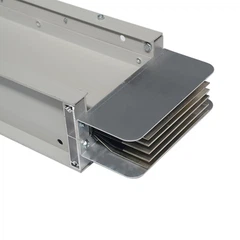
As an air insulated busbar supplier, we offer a wide range of high - quality products to meet different customer needs. Our 3 - Phase Air - Insulated Bus Duct is designed for efficient power distribution in three - phase electrical systems. It features excellent insulation properties and high mechanical strength, ensuring reliable operation.
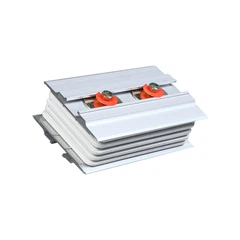
Our Air - Insulated Busway Tap Off Unit allows for easy connection of electrical loads to the busbar system. It is designed with safety in mind, with features such as reliable insulation and proper grounding.
For lighting applications, our Lighting Bus Duct provides a convenient and efficient way to distribute power to lighting fixtures. It is designed to meet the specific requirements of lighting systems, with features such as low voltage drop and high flexibility.
Conclusion
Safety is of utmost importance when using air insulated busbars. By following the safety measures discussed in this blog post, including proper installation, regular operation and maintenance, protection against electrical hazards, and providing adequate training and education, the risk of electrical accidents can be significantly reduced. As a trusted air insulated busbar supplier, we are committed to providing high - quality products and supporting our customers in ensuring the safety of their electrical systems.
If you are interested in our air insulated busbar products or have any questions about safety measures, please do not hesitate to contact us for procurement and further discussions.
References
- National Electrical Code (NEC)
- International Electrotechnical Commission (IEC) standards related to electrical distribution systems
- Manufacturer's installation and operation manuals for air insulated busbars
Send Inquiry