

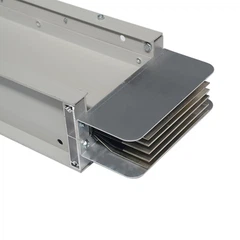
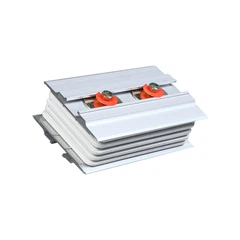
What materials are used to make Air Insulated Busbar?
Sep 03, 2026
Leave a message
When it comes to power distribution systems, air-insulated busbars play a crucial role in efficiently transmitting electrical energy. As a reputable supplier of Air Insulated Busbar, I am often asked about the materials used in their construction. In this blog post, I will delve into the key materials that make up air-insulated busbars and explain their significance in ensuring reliable and safe power distribution.
Conductors
The conductors are the heart of an air-insulated busbar system, responsible for carrying the electrical current. The most commonly used material for conductors is copper or aluminum.
Copper
Copper is a popular choice for busbar conductors due to its excellent electrical conductivity. It has a low resistivity, which means it can carry a large amount of current with minimal power loss. Copper is also highly ductile, allowing it to be easily formed into various shapes and sizes to meet the specific requirements of different applications. Additionally, copper has good corrosion resistance, ensuring a long service life for the busbar.
Aluminum
Aluminum is another widely used material for busbar conductors. It is lighter and more cost-effective than copper, making it a suitable option for applications where weight and cost are important considerations. Although aluminum has a slightly lower electrical conductivity than copper, modern manufacturing techniques have significantly improved its performance. Aluminum busbars are often used in large-scale power distribution systems, such as industrial plants and commercial buildings.


Insulation Materials
Insulation is essential in air-insulated busbars to prevent electrical leakage and ensure the safety of the system. There are several types of insulation materials used, each with its own unique properties.
Air
As the name suggests, air is the primary insulation medium in air-insulated busbars. Air is a natural insulator and has a high dielectric strength, which means it can withstand high voltages without breaking down. The use of air as an insulation material simplifies the design and construction of the busbar system, reducing costs and improving reliability.
Epoxy Resin
Epoxy resin is a synthetic material that is commonly used to coat the conductors in air-insulated busbars. It provides an additional layer of insulation and protection against environmental factors, such as moisture and dust. Epoxy resin has excellent electrical and mechanical properties, making it suitable for use in high-voltage applications.
Polycarbonate
Polycarbonate is a thermoplastic material that is often used to manufacture the enclosures of air-insulated busbars. It is lightweight, strong, and has good electrical insulation properties. Polycarbonate enclosures provide a protective barrier for the conductors, preventing accidental contact and ensuring the safety of the system.
Enclosure Materials
The enclosure of an air-insulated busbar system serves several important functions. It protects the conductors from physical damage, provides a barrier against environmental factors, and helps to maintain the integrity of the insulation. The most commonly used materials for busbar enclosures are steel and aluminum.
Steel
Steel is a strong and durable material that is widely used in the construction of busbar enclosures. It provides excellent protection against physical damage and has good corrosion resistance. Steel enclosures are often used in industrial applications where the busbar system is exposed to harsh environments.
Aluminum
Aluminum is a lightweight and corrosion-resistant material that is also commonly used for busbar enclosures. It is easy to fabricate and has good thermal conductivity, which helps to dissipate heat generated by the conductors. Aluminum enclosures are often used in commercial and residential applications where weight and aesthetics are important considerations.
Other Materials
In addition to the conductors, insulation materials, and enclosure materials, there are several other materials used in the construction of air-insulated busbars. These include:
Connectors
Connectors are used to join the conductors together and ensure a reliable electrical connection. They are typically made of copper or aluminum and are designed to provide low resistance and high mechanical strength.
Gaskets
Gaskets are used to seal the joints between the enclosure and the conductors, preventing the ingress of moisture and dust. They are typically made of rubber or silicone and are designed to provide a tight seal.
Fasteners
Fasteners are used to secure the components of the busbar system together. They are typically made of steel or aluminum and are designed to provide a strong and reliable connection.
Conclusion
In conclusion, air-insulated busbars are made up of a variety of materials, each with its own unique properties and functions. The choice of materials depends on several factors, including the application, the voltage level, and the environmental conditions. As a supplier of Air Insulated Busbar, we use only the highest quality materials in our products to ensure reliable and safe power distribution.
If you are interested in learning more about our Air Insulated Busbar products or would like to discuss your specific requirements, please visit our website Air Insulated Busbar or contact us for a free consultation. We look forward to working with you to provide the best power distribution solution for your needs.
References
- "Electrical Power Distribution Handbook" by Theodore Wildi
- "Busbar Design and Application Guide" by Schneider Electric
- "Air-Insulated Bus Duct Feeder Unit" /electrical-distribution-system/air-insulated-bus-duct/air-insulated-bus-duct-feeder-unit.html
- "Lighting Bus Duct" /electrical-distribution-system/air-insulated-bus-duct/lighting-bus-duct.html
Send Inquiry