

Can a busway connector be used in a chemical plant environment?
Sep 02, 2026
Leave a message
Can a Busway Connector be Used in a Chemical Plant Environment?
As a supplier of busway connectors, I often receive inquiries from clients in various industries, particularly those in chemical plants, about the suitability of our products for their challenging environments. Chemical plants are known for their harsh conditions, including exposure to corrosive chemicals, extreme temperatures, and high humidity. These factors can significantly impact the performance and longevity of electrical components, making it crucial to choose the right busway connector for the job.
Understanding the Challenges of Chemical Plant Environments
Chemical plants operate in a unique environment that presents several challenges for electrical systems. The presence of corrosive chemicals, such as acids, alkalis, and solvents, can cause rapid deterioration of metal components, leading to reduced conductivity and potential safety hazards. Additionally, high temperatures and humidity levels can accelerate the corrosion process and increase the risk of electrical failures.
In addition to corrosion, chemical plants also face the risk of explosions and fires due to the presence of flammable gases and liquids. Electrical systems in these environments must be designed to meet strict safety standards to prevent ignition sources and minimize the risk of accidents.
The Role of Busway Connectors in Chemical Plants
Busway connectors play a critical role in electrical distribution systems, providing a reliable and efficient means of transferring power from the source to the load. In chemical plants, busway connectors must be able to withstand the harsh conditions of the environment while maintaining their electrical performance and safety.


One of the key considerations when selecting a busway connector for a chemical plant is the material used in its construction. Corrosion-resistant materials, such as stainless steel or copper, are often preferred due to their ability to withstand the effects of corrosive chemicals. Additionally, the connector should be designed to prevent the ingress of moisture and other contaminants, which can cause electrical failures and corrosion.
Another important factor to consider is the connector's ability to handle high temperatures and humidity. Chemical plants often operate at elevated temperatures, which can cause the connector to expand and contract, leading to loose connections and potential electrical failures. The connector should be designed to withstand these temperature fluctuations and maintain its integrity over time.
Our Busway Connector Solutions
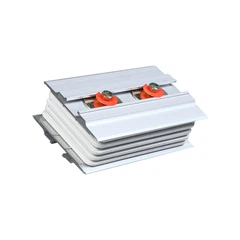
At our company, we offer a range of busway connectors that are specifically designed for use in chemical plant environments. Our connectors are made from high-quality materials, such as Flexible Copper Busbar and Flexible Busduct, which provide excellent corrosion resistance and electrical conductivity.
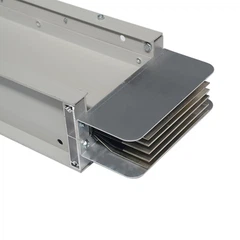
Our Copper Busway Connector is a popular choice for chemical plants due to its high durability and reliability. The connector is designed to withstand the harsh conditions of the environment, including exposure to corrosive chemicals, extreme temperatures, and high humidity. It features a unique design that provides a secure and reliable connection, even in challenging conditions.
In addition to our standard busway connectors, we also offer custom solutions to meet the specific needs of our clients. Our team of engineers can work with you to design and develop a busway connector that is tailored to your requirements, ensuring optimal performance and reliability in your chemical plant environment.
Benefits of Using Our Busway Connectors in Chemical Plants
There are several benefits to using our busway connectors in chemical plants. Firstly, our connectors are designed to provide a reliable and efficient means of transferring power, ensuring that your electrical systems operate smoothly and safely. Secondly, our connectors are made from high-quality materials that are resistant to corrosion and other environmental factors, ensuring long-term durability and performance.
Thirdly, our connectors are easy to install and maintain, reducing downtime and costs associated with electrical system failures. Finally, our team of experts is available to provide technical support and assistance, ensuring that you get the most out of your busway connectors.
Conclusion
In conclusion, busway connectors can be used in chemical plant environments, but it is essential to choose the right connector for the job. Our company offers a range of busway connectors that are specifically designed for use in chemical plants, providing reliable and efficient power transfer in challenging environments. If you are looking for a busway connector for your chemical plant, we encourage you to contact us to discuss your requirements and learn more about our products and services.
References
- [List of relevant industry standards and technical documents related to busway connectors in chemical plant environments]
- [Case studies or research papers on the use of busway connectors in similar industrial settings]
Send Inquiry