

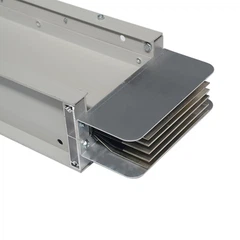
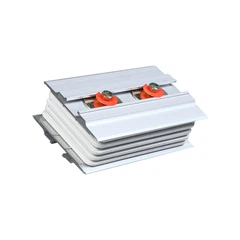
What is the waterproof performance of outdoor bus duct?
Sep 26, 2025
Leave a message
In the realm of outdoor electrical infrastructure, the waterproof performance of outdoor bus ducts stands as a critical factor that directly influences the reliability and longevity of power distribution systems. As a seasoned supplier of Outdoor Bus Ducts, I've witnessed firsthand the challenges and requirements that come with ensuring these systems can withstand the harshest of environmental conditions. In this blog, I'll delve into the nuances of the waterproof performance of outdoor bus ducts, exploring the key aspects that define their effectiveness.
Understanding the Importance of Waterproofing in Outdoor Bus Ducts
Outdoor bus ducts are exposed to a wide range of weather conditions, from heavy rain and snow to high humidity and even temporary submersion in floodwaters. Failure to adequately protect these bus ducts from water ingress can lead to a host of problems, including short - circuits, corrosion of conductors, and degradation of insulation materials. These issues not only disrupt power supply but can also pose significant safety risks.
A reliable waterproof bus duct is essential for maintaining the integrity of electrical connections. Water can seep into the bus duct through small gaps, joints, or openings, causing electrical arcing and potential equipment failure. Moreover, long - term exposure to moisture can lead to the growth of mold and mildew, which can further compromise the performance of the bus duct.
Factors Affecting the Waterproof Performance of Outdoor Bus Ducts
Design and Construction
The design of an outdoor bus duct plays a crucial role in its waterproof performance. Well - designed bus ducts feature tight - fitting joints and seals that prevent water from entering. For example, the use of gaskets made from high - quality elastomeric materials can provide an effective barrier against water. Additionally, the shape and structure of the bus duct can be optimized to direct water away from critical components.
The construction materials also matter significantly. Ducts made from corrosion - resistant materials such as stainless steel or aluminum are less likely to be damaged by water. These materials can withstand the corrosive effects of moisture and prevent the formation of rust, which could otherwise weaken the structure of the bus duct.
Sealing Technology
Advanced sealing technologies are essential for achieving high - level waterproofing. Some bus ducts use epoxy resin casting to encapsulate the conductors and insulators. This Cast Resin Busduct technology creates a solid, waterproof barrier around the electrical components, protecting them from water and other environmental contaminants. Epoxy resin is known for its excellent adhesion and resistance to moisture, making it an ideal choice for outdoor applications.
Another important aspect of sealing is the use of proper joint sealing techniques. The joints between different sections of the bus duct need to be sealed tightly to prevent water ingress. Specialized joint compounds and sealants can be used to ensure a watertight connection.
Ingress Protection (IP) Rating
The Ingress Protection (IP) rating is a standardized measure that indicates the level of protection provided by an enclosure against the intrusion of solid objects and water. For outdoor bus ducts, a high IP rating is essential. For example, an IP67 rating means that the bus duct is completely protected against dust ingress and can withstand temporary immersion in water up to a depth of 1 meter for a specified period.
When selecting an outdoor bus duct, it's important to choose one with an appropriate IP rating based on the specific environmental conditions of the installation site. Higher IP ratings generally mean better waterproof performance but may also come at a higher cost.
Testing the Waterproof Performance of Outdoor Bus Ducts
To ensure the reliability of outdoor bus ducts, rigorous testing is required. Manufacturers typically conduct a series of tests to evaluate the waterproof performance of their products.
Water Spray Test
In a water spray test, the bus duct is subjected to a simulated rainstorm. Water is sprayed onto the bus duct from different angles and at various pressures to simulate real - world conditions. The bus duct is then inspected for any signs of water ingress, such as moisture on the conductors or inside the enclosure.
Immersion Test
For bus ducts that may be exposed to floodwaters, an immersion test is often conducted. The bus duct is submerged in water for a specified period, and its electrical performance is monitored throughout the test. If the bus duct can maintain its electrical integrity during and after the immersion, it indicates good waterproof performance.
Applications of Waterproof Outdoor Bus Ducts
Industrial Facilities
In industrial settings, outdoor bus ducts are used to distribute power to various equipment and machinery. These facilities often require a reliable power supply, and any interruption due to water - related issues can lead to significant production losses. Waterproof bus ducts are essential in industries such as mining, chemical processing, and manufacturing, where the environment can be harsh and wet.
Transportation Infrastructure
Outdoor bus ducts are also used in transportation infrastructure, such as railway stations, airports, and ports. These areas are exposed to all kinds of weather conditions, and waterproof bus ducts are necessary to ensure the continuous operation of lighting, signaling, and other electrical systems.
Renewable Energy Projects
Renewable energy projects, such as solar farms and wind turbines, often require outdoor bus ducts to transmit power from the generation source to the grid. These projects are typically located in outdoor environments, where they are exposed to rain, snow, and high humidity. Waterproof Busbar systems are crucial for maintaining the efficiency and reliability of these renewable energy installations.
Our Company's Approach to Waterproof Outdoor Bus Ducts
As a supplier of outdoor bus ducts, we are committed to providing high - quality products with excellent waterproof performance. Our bus ducts are designed using the latest technologies and materials to ensure maximum protection against water ingress.
We use advanced epoxy resin casting techniques to create a durable and waterproof enclosure for our bus ducts. This Epoxy Resin Cast Busway Elbow technology not only provides excellent waterproofing but also enhances the mechanical strength and electrical insulation of the bus duct.
In addition, our products undergo strict quality control and testing procedures. We conduct both water spray and immersion tests to ensure that our bus ducts meet the highest standards of waterproof performance. Our team of engineers is constantly researching and developing new technologies to improve the waterproofing capabilities of our products.


Conclusion
The waterproof performance of outdoor bus ducts is a vital consideration for any outdoor electrical installation. By understanding the factors that affect waterproofing, such as design, sealing technology, and IP rating, and by conducting proper testing, we can ensure the reliability and safety of these critical components.
If you are in need of high - quality outdoor bus ducts with excellent waterproof performance, we are here to help. Our products are designed to meet the most demanding environmental conditions and provide a reliable power distribution solution. Contact us today to discuss your specific requirements and explore how our outdoor bus ducts can meet your needs.
References
- "Electrical Power Distribution Handbook" by Terry L. Wildi
- "Handbook of Electrical Installation Technology" by Peter Birtwhistle
Send Inquiry