

What is the mechanical strength of a busway connector?
Sep 29, 2025
Leave a message
As a supplier of busway connectors, I often get asked about the mechanical strength of these crucial components. In this blog post, I'll break down what mechanical strength means for busway connectors, why it's important, and how we ensure our products meet the highest standards.
What is Mechanical Strength?
Let's start with the basics. Mechanical strength refers to a material's ability to withstand external forces without breaking, deforming, or failing. For busway connectors, this means being able to handle various stresses during installation, operation, and maintenance. These stresses can come from things like vibrations, thermal expansion and contraction, and the weight of the busway itself.
There are different types of mechanical strength that are relevant to busway connectors. Tensile strength, for example, measures how well a connector can resist being pulled apart. Compressive strength, on the other hand, is about withstanding forces that try to squeeze the connector. Shear strength is important too, as it determines the connector's ability to resist forces that act parallel to its surface.
Why is Mechanical Strength Important for Busway Connectors?
The mechanical strength of busway connectors is crucial for several reasons. First and foremost, it ensures the safety of the electrical system. A connector with inadequate mechanical strength can fail under stress, leading to loose connections. Loose connections can cause arcing, overheating, and even electrical fires. This is not only a risk to the equipment but also to the people working around it.
Secondly, good mechanical strength contributes to the reliability of the electrical system. A strong connector will maintain a stable connection over time, reducing the likelihood of power outages or disruptions. This is especially important in critical applications such as hospitals, data centers, and industrial facilities where uninterrupted power supply is essential.
Finally, connectors with high mechanical strength are more durable. They can withstand the wear and tear of normal use and environmental factors, which means they don't need to be replaced as often. This can save both time and money in the long run.
How We Ensure High Mechanical Strength in Our Busway Connectors
As a supplier, we take several steps to ensure that our busway connectors have excellent mechanical strength.
Material Selection
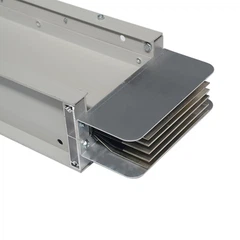
The choice of materials is fundamental. We use high - quality metals and alloys that are known for their strength and durability. For example, our Aluminum Busway Connector is made from high - grade aluminum alloy. Aluminum is lightweight yet strong, and it has good corrosion resistance, which is important for long - term performance.
Design and Manufacturing
Our connectors are designed using advanced engineering techniques. We use computer - aided design (CAD) software to optimize the shape and structure of the connectors for maximum strength. During the manufacturing process, we follow strict quality control procedures. Each connector is precision - machined to ensure that all dimensions are accurate and that the parts fit together perfectly.
Testing
We subject our busway connectors to a series of rigorous tests to ensure they meet our mechanical strength standards. Tensile tests are conducted to measure the force required to pull the connector apart. Compressive tests are used to evaluate how well the connector can withstand squeezing forces. Shear tests are also performed to assess the connector's resistance to parallel forces. Only connectors that pass all these tests are approved for sale.

Additional Features for Enhanced Mechanical Strength
In addition to the basic design and material choices, we also incorporate some additional features into our busway connectors to enhance their mechanical strength.
Reinforcement
Some of our connectors have reinforced structures. For example, we may add ribs or brackets to the connector body to increase its rigidity. This helps the connector better withstand external forces.
Spring - Loaded Contacts
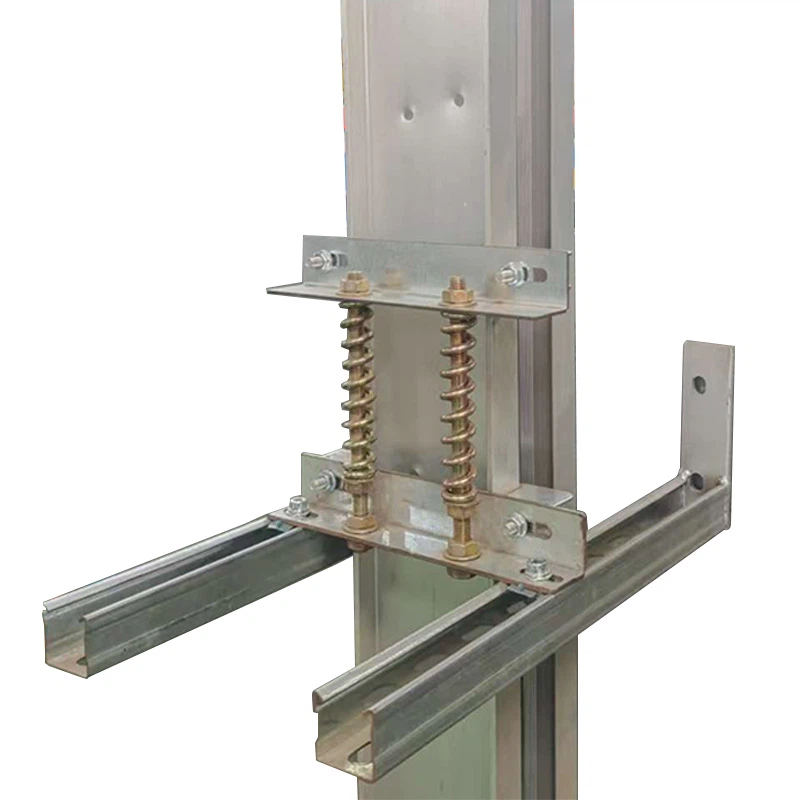
We use spring - loaded contacts in many of our connectors. These contacts apply a constant pressure to the busbars, ensuring a tight and stable connection. The springs are designed to maintain their tension over time, even under varying conditions such as temperature changes and vibrations. Our Busway Spring Support is an example of a component that helps in maintaining the proper contact pressure.
Insulation
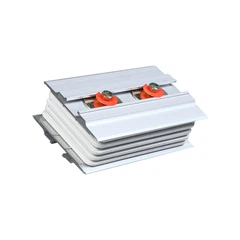
Good insulation is not only important for electrical safety but also for mechanical strength. Our connectors are insulated with high - quality materials such as the High - Insulation Polyester Film. This film provides a protective layer that helps prevent damage to the connector and also adds some mechanical support.
Real - World Applications
Our busway connectors with high mechanical strength have been used in a wide range of applications. In industrial settings, they are used to connect large electrical equipment such as motors and generators. The connectors need to be able to withstand the high - power loads and vibrations associated with industrial machinery.
In commercial buildings, our connectors are used in the electrical distribution systems. They ensure a reliable power supply to lighting, HVAC systems, and other electrical appliances. The high mechanical strength of the connectors helps them endure the constant use and any potential movement within the building structure.
Contact Us for Your Busway Connector Needs
If you're in the market for high - quality busway connectors with excellent mechanical strength, we'd love to hear from you. Whether you're an electrical contractor, an engineer, or a facility manager, we can provide you with the right connectors for your project. Our team of experts can help you select the best products based on your specific requirements. Contact us today to start the procurement process and ensure a reliable and safe electrical system.
References
- Electrical Engineering Handbook, Third Edition
- National Electrical Code (NEC)
- Standards for Electrical Connectors, IEEE Publications
Send Inquiry