

What is the torque requirement for bus duct flange bolts?
Nov 17, 2025
Leave a message
Hey there! As a supplier of Bus Duct Flanges, I often get asked about the torque requirement for bus duct flange bolts. It's a crucial aspect that can significantly impact the performance and safety of the bus duct system. So, let's dive right into it and break down what you need to know.
First off, why is the torque requirement so important? Well, proper torque ensures that the bus duct flanges are securely connected. If the bolts aren't tightened to the right torque, it can lead to loose connections. Loose connections mean increased resistance, which in turn can cause overheating. Overheating is a big no - no as it can damage the bus duct components, reduce the system's efficiency, and even pose a fire hazard. On the other hand, over - torquing the bolts can also be a problem. It can cause the bolts to break or damage the flange material, leading to leaks and other issues.
Now, determining the exact torque requirement isn't a one - size - fits - all deal. There are several factors that come into play.
Bolt Size and Grade
The size and grade of the bolts are major factors. Larger bolts generally require more torque to achieve the proper clamping force. For example, a M12 bolt will need a different torque value compared to a M20 bolt. The grade of the bolt also matters. Higher - grade bolts, which are made of stronger materials, can withstand more torque without breaking. When you're dealing with bus duct flange bolts, you need to refer to the manufacturer's specifications for the recommended torque based on the bolt size and grade.
Flange Material
The material of the bus duct flange also affects the torque requirement. Different materials have different hardness and elasticity properties. For instance, a flange made of aluminum will have different torque requirements compared to a steel flange. Aluminum is softer than steel, so you need to be more careful not to over - torque the bolts when using aluminum flanges. Over - torquing can cause the aluminum to deform, which can compromise the integrity of the connection.
Environmental Conditions
The environment where the bus duct system is installed plays a role too. If the system is in a high - vibration area, like near heavy machinery, you might need to increase the torque slightly to prevent the bolts from loosening over time. On the other hand, if the environment is corrosive, such as in a chemical plant, you need to consider the potential for corrosion to affect the bolt's performance. In some cases, you might need to use anti - corrosion coatings on the bolts and adjust the torque accordingly.
Industry Standards
There are industry standards that provide guidelines for bolt torque in bus duct systems. These standards are developed based on extensive research and testing to ensure the safety and reliability of the systems. For example, standards from organizations like the National Electrical Manufacturers Association (NEMA) and the International Electrotechnical Commission (IEC) offer valuable information on torque requirements. It's always a good idea to follow these standards to ensure that your bus duct system meets the necessary safety and performance criteria.
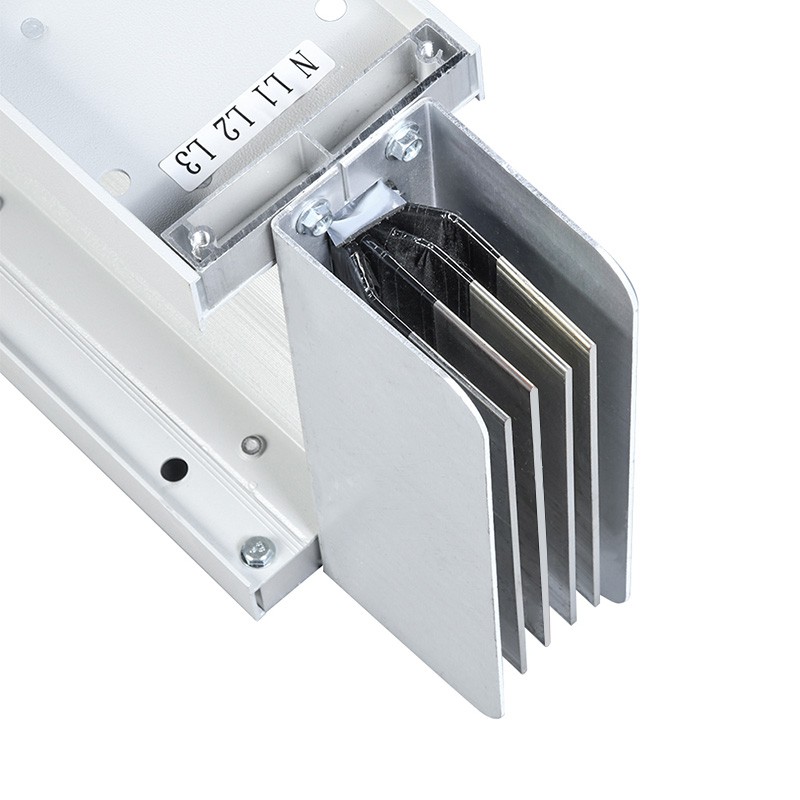

Let's take a look at some common torque values for different bolt sizes as a general reference. Keep in mind that these are just examples, and you should always refer to the specific manufacturer's recommendations.
| Bolt Size (M) | Approximate Torque (Nm) |
|---|---|
| M8 | 15 - 20 |
| M10 | 30 - 40 |
| M12 | 50 - 70 |
| M16 | 120 - 160 |
| M20 | 250 - 350 |
Now, how do you actually measure and apply the right torque? You'll need a torque wrench. A torque wrench is a specialized tool that allows you to apply a specific amount of torque to the bolts. There are different types of torque wrenches, such as click - type, beam - type, and digital torque wrenches. The click - type torque wrench is one of the most commonly used. It makes a clicking sound when the preset torque value is reached, indicating that you've applied the right amount of torque.
When using a torque wrench, it's important to follow the correct procedure. First, make sure the wrench is calibrated correctly. An uncalibrated torque wrench can give inaccurate readings, which can lead to improper torque application. Second, apply the torque gradually and evenly. Don't try to reach the full torque value in one go. Instead, tighten the bolts in a sequence, usually in a cross - pattern, to ensure that the clamping force is distributed evenly across the flange.
As a Bus Duct Flange supplier, I've seen firsthand the importance of getting the torque right. Whether you're using Busway Horizontal Elbow, 3 Phase Busbar Trunking, or Phase Segregated Bus Duct, proper torque application is essential for the smooth operation of your bus duct system.
If you're in the process of setting up a bus duct system or need to replace some flanges, getting the torque requirement right is crucial. And that's where we come in. We can provide you with high - quality Bus Duct Flanges and offer expert advice on the torque requirements based on your specific needs. Whether you're a small - scale electrical contractor or a large industrial facility, we've got the products and knowledge to help you out.
So, if you're interested in learning more about our Bus Duct Flanges or need assistance with determining the right torque for your application, don't hesitate to reach out. We're here to make sure your bus duct system operates safely and efficiently. Contact us for a detailed discussion and let's start the procurement process to get you the best products for your project.
References
- National Electrical Manufacturers Association (NEMA) standards
- International Electrotechnical Commission (IEC) standards
- Manufacturer's specifications for bus duct systems and bolts
Send Inquiry