

What is the storage requirement for copper bus ducts?
Jan 13, 2026
Leave a message
When it comes to the efficient operation and longevity of copper bus ducts, proper storage is of paramount importance. As a dedicated copper bus duct supplier, I understand the intricacies involved in ensuring that these essential electrical components are stored under optimal conditions. In this blog, we will delve into the storage requirements for copper bus ducts, exploring the factors that need to be considered and the best practices to follow.
Environmental Conditions
The environment in which copper bus ducts are stored plays a crucial role in maintaining their integrity. Temperature and humidity are two key factors that can significantly impact the performance of copper bus ducts.
Temperature
Copper bus ducts should be stored in an environment with a stable temperature. Extreme temperature fluctuations can cause the copper to expand and contract, which may lead to mechanical stress and potential damage to the bus duct. Ideally, the storage temperature should be kept between 10°C and 35°C (50°F and 95°F). Avoid storing copper bus ducts in areas that are exposed to direct sunlight or near heat sources such as furnaces or radiators, as this can cause the temperature to rise above the recommended range.
Humidity
High humidity levels can lead to corrosion of the copper bus ducts. Copper is a relatively stable metal, but in the presence of moisture, it can react with oxygen and other elements in the air to form copper oxide and other corrosion products. To prevent corrosion, the relative humidity in the storage area should be kept below 60%. If the humidity cannot be controlled naturally, dehumidifiers can be used to maintain the desired humidity level. Additionally, it is important to ensure that the storage area is well-ventilated to prevent the accumulation of moisture.
Protection from Physical Damage
Copper bus ducts are relatively sturdy, but they can still be damaged if not handled and stored properly. Here are some measures to protect copper bus ducts from physical damage:
Packaging
When copper bus ducts are delivered to the storage area, they should be inspected for any damage during transit. If the original packaging is intact, it should be kept in place until the bus ducts are ready to be installed. The packaging provides an additional layer of protection against scratches, dents, and other forms of physical damage.
Storage Racks
Copper bus ducts should be stored on sturdy storage racks that are designed to support their weight. The racks should be made of a non-corrosive material such as galvanized steel or aluminum. The bus ducts should be placed on the racks in a way that prevents them from coming into contact with each other or with other objects that could cause damage. It is also important to ensure that the racks are level and stable to prevent the bus ducts from tipping over.
Handling
When moving copper bus ducts, proper handling techniques should be used. The bus ducts should be lifted using appropriate lifting equipment such as forklifts or cranes. Care should be taken to avoid dropping or banging the bus ducts, as this can cause internal damage that may not be immediately visible. Additionally, workers should wear gloves to prevent fingerprints and other contaminants from coming into contact with the copper surface.
Protection from Chemical Contamination
Copper bus ducts can be affected by chemical contamination, which can cause corrosion and other forms of damage. Here are some measures to protect copper bus ducts from chemical contamination:
Cleaning
Before storing copper bus ducts, they should be cleaned to remove any dirt, grease, or other contaminants. A mild detergent and water can be used to clean the bus ducts, followed by a thorough rinse with clean water. After cleaning, the bus ducts should be dried completely to prevent the formation of corrosion.
Storage Area
The storage area should be free from any chemicals or substances that could react with the copper. This includes solvents, acids, alkalis, and other corrosive materials. If the storage area is located in a factory or industrial setting, it is important to ensure that there are no leaks or spills of chemicals that could come into contact with the bus ducts.
Organization and Inventory Management
Proper organization and inventory management are essential for ensuring that copper bus ducts are stored efficiently and can be easily located when needed. Here are some tips for organizing and managing the storage of copper bus ducts:
Labeling
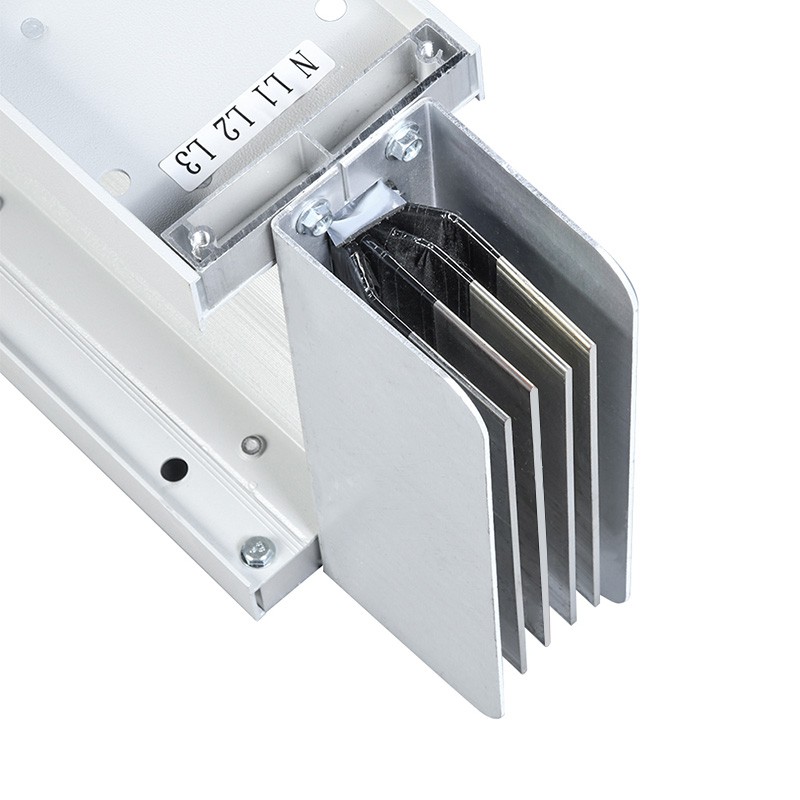
Each copper bus duct should be labeled with its specifications, including its size, rating, and any other relevant information. This makes it easier to identify the bus ducts and ensures that the correct ones are used for a particular installation.

Inventory System
An inventory system should be established to keep track of the copper bus ducts in storage. The inventory system should include information such as the quantity of bus ducts, their location in the storage area, and their usage history. This helps to prevent overstocking or understocking of bus ducts and ensures that the right amount of inventory is available at all times.
Specific Considerations for Different Types of Copper Bus Ducts
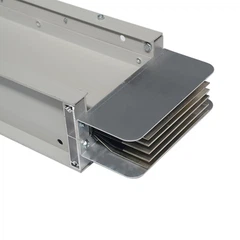
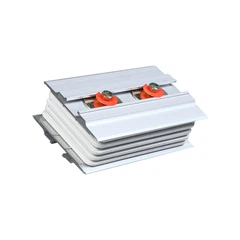
There are different types of copper bus ducts available in the market, each with its own specific storage requirements. Here are some considerations for storing Phase Segregated Bus Duct, Non-Standard Bus Duct Flange End, and 3 Phase Busbar Trunking:
Phase Segregated Bus Duct
Phase segregated bus ducts have individual phases separated by insulation materials. When storing phase segregated bus ducts, it is important to ensure that the insulation materials are not damaged. The bus ducts should be stored in a way that prevents the insulation from being compressed or deformed. Additionally, the insulation materials should be protected from moisture and chemical contamination.
Non-Standard Bus Duct Flange End
Non-standard bus duct flange ends may have unique shapes and sizes, which require special handling and storage. When storing non-standard bus duct flange ends, it is important to ensure that they are stored in a way that prevents them from being damaged or deformed. Customized storage racks or containers may be required to accommodate the specific shape and size of the flange ends.
3 Phase Busbar Trunking
3 phase busbar trunking systems are typically larger and heavier than other types of bus ducts. When storing 3 phase busbar trunking, it is important to ensure that the storage racks are strong enough to support the weight of the busbar trunking. Additionally, the busbar trunking should be stored in a way that prevents it from being bent or twisted.
Conclusion
Proper storage of copper bus ducts is essential for maintaining their performance and longevity. By considering the environmental conditions, protecting the bus ducts from physical damage and chemical contamination, and implementing proper organization and inventory management, copper bus ducts can be stored safely and efficiently. As a copper bus duct supplier, we are committed to providing our customers with high-quality products and ensuring that they are stored and installed correctly. If you have any questions or need further information about the storage requirements for copper bus ducts, please feel free to contact us. We are here to assist you with your copper bus duct needs and look forward to the opportunity to discuss potential procurement and installation projects with you.
References
- Electrical Installation Handbook, Schneider Electric
- Busway Systems: Design, Installation, and Maintenance, Cooper Bussmann
Send Inquiry