

Is sandwich busduct suitable for high - power applications?
Jan 13, 2026
Leave a message
Hey there! As a supplier of sandwich busduct, I often get asked if it's suitable for high - power applications. Well, let's dive right into it and break down the ins and outs of using sandwich busduct in high - power scenarios.
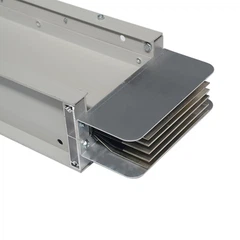
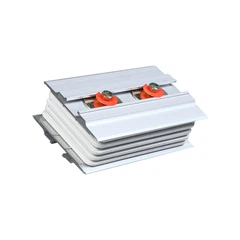
First off, what the heck is sandwich busduct? It's a type of electrical distribution system that consists of busbars sandwiched between insulating materials. This design offers a compact and efficient way to transfer electrical power. Now, when it comes to high - power applications, there are a few key factors we need to consider.
Advantages of Sandwich Busduct for High - Power Applications
1. High Current - Carrying Capacity
One of the biggest selling points of sandwich busduct in high - power setups is its ability to handle large amounts of current. The busbars in sandwich busduct are typically made of copper or aluminum, both of which are excellent conductors of electricity. Copper, in particular, has a high conductivity, allowing it to carry a significant amount of current without excessive heat generation. You can check out our Copper Bus Duct for more details on how it can handle high - power loads.
The sandwich construction also helps in distributing the current evenly across the busbars. This even distribution reduces the risk of hotspots, which can be a major problem in high - power applications. Hotspots can lead to increased resistance, which in turn causes more heat to be generated. Over time, this can damage the busduct and other electrical components in the system.
2. Low Impedance
In high - power applications, low impedance is crucial. Impedance is the opposition to the flow of alternating current in a circuit. A low - impedance busduct allows for efficient power transfer, which means less power is lost as heat. Sandwich busduct has a relatively low impedance due to its design and the materials used. This low impedance results in better energy efficiency, which is not only good for the environment but also for your bottom line. You'll save on energy costs in the long run by using sandwich busduct in your high - power systems.
3. Compact Design
Space is often at a premium in high - power facilities. Sandwich busduct has a compact design compared to traditional cable systems. This compactness allows for easier installation in tight spaces. You can run the busduct along walls, ceilings, or even through narrow corridors without taking up too much room. This is especially important in industrial settings where there are a lot of other equipment and machinery that need to be accommodated. Our Feeder Bus Duct is a great example of how a compact design can still deliver high - power performance.
4. Flexibility and Expandability
High - power applications often require changes and expansions over time. Sandwich busduct offers a high degree of flexibility and expandability. You can easily add or remove sections of the busduct as your power requirements change. This is much easier than trying to modify a cable system, which can be time - consuming and expensive. Whether you're adding new equipment or upgrading your existing setup, sandwich busduct can adapt to your needs.
Challenges and Considerations
1. Initial Cost
Let's be real, the initial cost of installing sandwich busduct can be higher than that of a traditional cable system. However, it's important to look at the long - term benefits. The energy savings, lower maintenance costs, and ease of expansion can offset the higher upfront cost. If you're considering a high - power application that will be in operation for a long time, the investment in sandwich busduct can pay off in the long run.
2. Installation Requirements
Proper installation is crucial for the performance of sandwich busduct in high - power applications. The installation process requires skilled technicians who are familiar with the specific requirements of busduct systems. Incorrect installation can lead to problems such as poor electrical connections, which can cause arcing and other safety hazards. Make sure you hire experienced installers who have a good track record in installing busduct systems.
3. Environmental Conditions
High - power applications can sometimes be in harsh environmental conditions. Sandwich busduct needs to be able to withstand factors such as temperature, humidity, and dust. Some busducts are designed to be more resistant to these environmental factors than others. For example, if you're using the busduct in a hot and humid industrial environment, you'll need to choose a busduct that has proper insulation and protection against moisture.
Real - World Examples
Let's take a look at some real - world examples of where sandwich busduct has been successfully used in high - power applications. In large data centers, where there is a high demand for power to run servers and other equipment, sandwich busduct has been a popular choice. The compact design allows for efficient use of space, and the high current - carrying capacity ensures that the power requirements of the servers are met.
In industrial manufacturing plants, sandwich busduct is used to distribute power to heavy machinery. The low impedance and even current distribution help in preventing damage to the machinery due to power fluctuations. Our 4000a Bus Duct is often used in these types of high - power industrial applications.
Conclusion
So, is sandwich busduct suitable for high - power applications? The answer is a resounding yes! While there are some challenges and considerations, the advantages far outweigh the drawbacks. The high current - carrying capacity, low impedance, compact design, and flexibility make it an ideal choice for high - power setups.
If you're in the market for a reliable and efficient solution for your high - power electrical distribution needs, I encourage you to consider sandwich busduct. We're here to help you every step of the way, from choosing the right type of busduct to installation and maintenance. Don't hesitate to reach out to us to discuss your specific requirements and start the procurement process. Let's work together to ensure your high - power applications run smoothly and efficiently.


References
- Electrical Power Distribution Handbook, by Terry L. Wildi
- Handbook of Electrical Engineering, by Ashfaq Husain
Send Inquiry