

What is the impact of tinning on the soldering performance of copper busbar?
Dec 29, 2025
Leave a message
Hey there! As a supplier of tinned copper busbars, I've seen firsthand the ins and outs of how tinning impacts the soldering performance of copper busbars. So, let's dive right in and explore this topic.
First off, what's a copper busbar? Well, it's a piece of copper that's used to conduct electricity within electrical systems. It's like the main highway for electrical current in a building or a piece of equipment. And tinning is the process of coating the copper busbar with a thin layer of tin.
One of the most significant impacts of tinning on the soldering performance of copper busbars is improved wetting. When you're soldering, wetting is crucial. It's the ability of the solder to spread evenly over the surface of the busbar. Copper, on its own, can be a bit finicky. It oxidizes quickly when exposed to air, and this oxide layer can prevent the solder from adhering properly. But when you tin the copper busbar, the tin acts as a barrier against oxidation. The solder has an easier time wetting the tin surface, which means it spreads out more evenly and forms a stronger bond. This is super important because a good wetting action ensures a reliable electrical connection. A poorly wetted joint can lead to increased resistance, which in turn can cause overheating and potential failures in the electrical system.
Another big advantage is enhanced corrosion resistance. In many electrical applications, the busbars are exposed to various environmental conditions. Moisture, chemicals, and pollutants in the air can all cause corrosion on the copper surface. Corrosion not only weakens the mechanical strength of the busbar but also increases its electrical resistance. Tinning helps to protect the copper from these corrosive elements. The tin layer acts as a sacrificial anode, meaning it corrodes before the copper does. This way, the integrity of the copper busbar is maintained for a longer time, and the soldered joints remain stable.
Tinning also makes the soldering process more consistent. When you're dealing with bare copper busbars, the quality of the soldered joints can vary depending on factors like the surface condition of the copper and the skill of the person doing the soldering. But with tinned copper busbars, the surface is more uniform. The tin layer provides a consistent base for the solder, so it's easier to achieve repeatable results. This is especially important in mass production settings where you need to ensure that every soldered joint meets the same high - quality standards.
Now, let's talk about some of the practical aspects. When it comes to soldering tinned copper busbars, you can use a wider range of soldering techniques. For example, you can use wave soldering, which is a common method in the electronics industry for soldering large numbers of components at once. The tinning on the busbar allows the molten solder in the wave to flow smoothly over the surface and form a good joint. You can also use hand - soldering techniques with ease. The tin layer makes it quicker and more straightforward to get a good bond, even for less experienced soldering operators.
However, it's not all sunshine and rainbows. There are a few things to keep in mind. One is the thickness of the tin layer. If the tin layer is too thin, it may not provide adequate protection against oxidation and corrosion. On the other hand, if it's too thick, it can cause issues during soldering. For example, a thick tin layer may require more heat to melt the solder, which can potentially damage the busbar or other components in the vicinity. So, it's important to get the right balance.

Another consideration is the compatibility of the tinning process with the overall electrical system. Some electrical systems may have specific requirements regarding the type of tinning alloy used. For example, in high - temperature applications, you may need a tinning alloy that can withstand the heat without degrading.
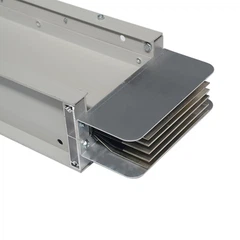
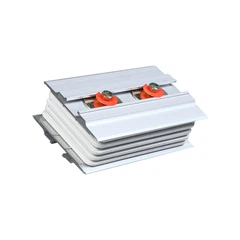
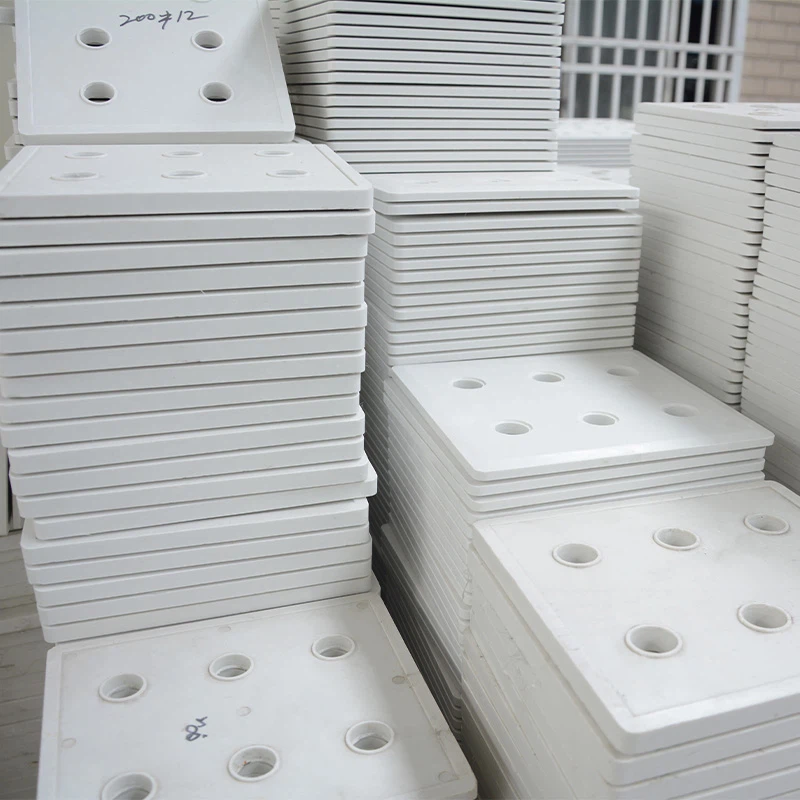
In the market, there are also related products that are worth mentioning. For instance, if you're working on a busway system, you might be interested in the Busway Connector Insulation Plate. This plate helps to insulate the connectors in the busway, ensuring safety and proper functioning. And if you're looking for an alternative to copper busbars, the Tin - Plated Aluminum Busbar is an option. Aluminum is lighter and more cost - effective in some cases, and the tin plating provides similar benefits as it does for copper busbars. Also, the Bus Duct Enclosure is essential for protecting the busbars from external factors like dust, moisture, and physical damage.
As a supplier of tinned copper busbars, I understand the importance of providing high - quality products. We work hard to ensure that our tinned copper busbars have the right tin layer thickness and are made with the best - quality materials. Whether you're a small - scale electronics manufacturer or a large - scale electrical contractor, we can provide you with the tinned copper busbars that meet your specific needs.
If you're in the market for tinned copper busbars or have any questions about how tinning impacts soldering performance, don't hesitate to reach out. We're here to help you make the best choices for your electrical projects. Contact us for more information and to start a procurement discussion.
References
- "Electrical Conductors Handbook"
- "Soldering Technology: Principles and Practice"
Send Inquiry