

What are the common sizes of waterproof busbars?
Dec 29, 2025
Leave a message
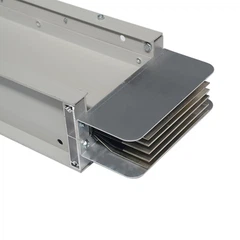
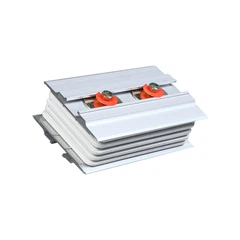
As a leading supplier of waterproof busbars, I often encounter inquiries about the common sizes of these essential electrical components. Waterproof busbars play a crucial role in various electrical systems, providing a reliable and efficient means of distributing power in environments where moisture and water exposure are a concern. In this blog post, I will delve into the common sizes of waterproof busbars, their applications, and the factors to consider when selecting the appropriate size for your specific needs.
Understanding Waterproof Busbars
Before we explore the common sizes of waterproof busbars, it's important to understand what they are and how they differ from traditional busbars. A busbar is a rigid electrical conductor that distributes electrical power from a source to multiple circuits or loads. Waterproof busbars, as the name suggests, are designed to withstand exposure to water and moisture without compromising their electrical performance. They are typically made from materials such as copper or aluminum, which are coated or encapsulated with a waterproof and insulating material to protect against corrosion and short circuits.
Waterproof busbars are commonly used in a variety of applications, including outdoor electrical installations, marine environments, wastewater treatment plants, and industrial facilities where water or moisture is present. They are also used in critical infrastructure projects, such as data centers and hospitals, where reliable power distribution is essential.
Common Sizes of Waterproof Busbars
The size of a waterproof busbar is typically determined by its cross-sectional area, which is measured in square millimeters (mm²) or square inches (in²). The cross-sectional area of a busbar directly affects its current-carrying capacity, which is the maximum amount of electrical current that the busbar can safely carry without overheating. The larger the cross-sectional area of the busbar, the higher its current-carrying capacity.
Here are some of the common sizes of waterproof busbars and their typical applications:
Small-Sized Busbars (10 - 50 mm²)
- Applications: Small-sized waterproof busbars are commonly used in low-power applications, such as lighting circuits, small electrical appliances, and control panels. They are also used in some automotive and marine applications where space is limited.
- Advantages: These busbars are relatively lightweight and easy to install, making them suitable for applications where weight and space are a concern. They are also more cost-effective than larger busbars, making them a popular choice for budget-conscious projects.
Medium-Sized Busbars (50 - 200 mm²)
- Applications: Medium-sized waterproof busbars are commonly used in medium-power applications, such as small to medium-sized electrical panels, motor control centers, and distribution boards. They are also used in some industrial applications where moderate amounts of power need to be distributed.
- Advantages: These busbars offer a good balance between current-carrying capacity and cost. They are also more flexible than larger busbars, making them easier to install in complex electrical systems.
Large-Sized Busbars (200 - 1000 mm²)
- Applications: Large-sized waterproof busbars are commonly used in high-power applications, such as large electrical panels, switchgear, and power distribution centers. They are also used in industrial facilities where large amounts of power need to be distributed over long distances.
- Advantages: These busbars have a high current-carrying capacity, making them suitable for applications where large amounts of power need to be distributed. They are also more durable and reliable than smaller busbars, making them a popular choice for critical infrastructure projects.
Extra-Large Busbars (1000+ mm²)
- Applications: Extra-large waterproof busbars are used in very high-power applications, such as large industrial plants, power generation facilities, and large-scale data centers. They are also used in some specialized applications, such as electric vehicle charging stations and high-voltage transmission systems.
- Advantages: These busbars have an extremely high current-carrying capacity, making them suitable for applications where very large amounts of power need to be distributed. They are also designed to withstand high temperatures and mechanical stress, making them a reliable choice for demanding applications.
Factors to Consider When Selecting the Appropriate Size
When selecting the appropriate size of a waterproof busbar for your application, there are several factors to consider:
Current-Carrying Capacity
The current-carrying capacity of the busbar is the most important factor to consider. You need to determine the maximum amount of electrical current that the busbar will need to carry under normal operating conditions. This can be calculated based on the power requirements of the loads that the busbar will be supplying. It's important to select a busbar with a current-carrying capacity that is higher than the maximum expected current to ensure safe and reliable operation.
Voltage Rating
The voltage rating of the busbar is also an important factor to consider. You need to ensure that the busbar is rated for the voltage of the electrical system in which it will be used. Using a busbar with a lower voltage rating than the system voltage can result in electrical arcing and short circuits, which can be dangerous and cause damage to the electrical equipment.
Ambient Temperature
The ambient temperature of the environment in which the busbar will be installed can also affect its current-carrying capacity. Busbars have a derating factor that needs to be applied when the ambient temperature is higher than the standard operating temperature. You need to take into account the expected ambient temperature of the installation location and select a busbar with a current-carrying capacity that is adjusted for the ambient temperature.
Installation Space
The available installation space is another important factor to consider. You need to ensure that the busbar can be installed in the available space without causing any interference with other electrical components or equipment. You also need to consider the ease of installation and maintenance when selecting the size of the busbar.
Our Product Range
As a supplier of waterproof busbars, we offer a wide range of sizes and configurations to meet the diverse needs of our customers. Our busbars are made from high-quality materials and are designed to provide reliable and efficient power distribution in even the most challenging environments.
In addition to our standard waterproof busbars, we also offer custom solutions to meet specific customer requirements. Our experienced engineering team can work with you to design and manufacture busbars that are tailored to your exact specifications.
We also offer a range of related products, such as Cast Resin Busduct, 3-Phase Cast Resin Busduct, and New Generation Cast Resin Busway, which are designed to provide a complete solution for your electrical distribution needs.
Contact Us for Purchasing and Consultation
If you are in need of waterproof busbars or have any questions about our products, please do not hesitate to contact us. Our team of experts is ready to assist you in selecting the right size and configuration of busbars for your specific application. We can also provide you with detailed technical information, pricing, and delivery options.
We believe in providing our customers with the highest level of service and support, and we are committed to helping you find the best solution for your electrical distribution needs. Whether you are a small business or a large industrial corporation, we have the products and expertise to meet your requirements.


References
- Electrical Engineering Handbook, Third Edition, Richard C. Dorf (Editor)
- National Electrical Code (NEC)
- International Electrotechnical Commission (IEC) Standards
Send Inquiry