

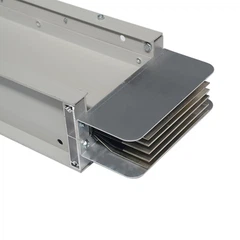
What is the function of the busbar enclosure in Air Insulated Busbar?
Aug 15, 2025
Leave a message
As an Air Insulated Busbar supplier, I've had my fair share of questions about the ins and outs of these systems. One question that pops up quite often is, "What is the function of the busbar enclosure in Air Insulated Busbar?" Well, let's dive right in and break it down.
First off, let's quickly touch on what an Air Insulated Busbar is. It's a type of electrical distribution system that uses air as the insulating medium between the busbars. These busbars are basically conductors that carry electrical current within a power distribution system. They're commonly used in industrial, commercial, and even some residential settings to transmit and distribute electrical power efficiently.
Now, onto the busbar enclosure. Think of the enclosure as the protective armor for your busbars. It's not just a random box; it serves several crucial functions that keep the whole system running smoothly and safely.
Protection Against Physical Damage
One of the primary functions of the busbar enclosure is to shield the busbars from physical harm. In a busy industrial environment, there are all sorts of things that could potentially damage the busbars. Forklifts moving around, workers accidentally bumping into equipment, or even falling tools can cause serious damage to exposed busbars. The enclosure acts as a barrier, preventing these types of impacts from reaching the busbars. It's like a force field that keeps the delicate electrical conductors safe from the rough and tumble of the real - world working environment.
Electrical Safety
Safety is always a top priority when it comes to electrical systems, and the busbar enclosure plays a vital role in this aspect. By enclosing the busbars, it reduces the risk of accidental contact with live parts. In an industrial setting, there are often many people working in close proximity to the electrical equipment. Without an enclosure, there's a real danger of someone coming into contact with the energized busbars, which could result in serious injury or even death. The enclosure provides a physical barrier that keeps people safe from the high - voltage electrical currents flowing through the busbars.
Moreover, the enclosure helps to contain any electrical arcing or short - circuits that might occur. In the event of a fault, the enclosure can prevent the spread of the arc and limit the damage to the immediate area. This not only protects the equipment but also reduces the risk of fire and other hazards.
Environmental Protection
Another important function of the busbar enclosure is to protect the busbars from environmental factors. Dust, dirt, moisture, and chemicals can all have a negative impact on the performance and lifespan of the busbars. In a dusty industrial plant, for example, dust particles can accumulate on the busbars over time, which can lead to insulation breakdown and electrical failures. The enclosure seals off the busbars from the surrounding environment, preventing dust and other contaminants from getting in.
Moisture is also a big concern. Water can cause corrosion of the busbars, which can weaken the conductors and reduce their conductivity. In areas with high humidity or where there's a risk of water splashes, such as near cooling systems or in outdoor installations, the enclosure provides a waterproof or at least water - resistant barrier. This helps to keep the busbars dry and in good working condition.
Temperature Regulation
The enclosure also plays a role in regulating the temperature of the busbars. When electrical current flows through the busbars, it generates heat. If the heat isn't properly managed, it can cause the busbars to overheat, which can lead to reduced efficiency and even damage to the conductors. The enclosure can be designed with ventilation systems that allow for the proper flow of air around the busbars. This helps to dissipate the heat and keep the temperature within a safe operating range.
In some cases, the enclosure may also have insulation materials that help to retain heat in cold environments or prevent excessive heat transfer in hot environments. This temperature regulation is essential for maintaining the performance and longevity of the busbars.
EMC (Electromagnetic Compatibility)
In today's world, where there are so many electronic devices and systems, electromagnetic compatibility is a major concern. The busbar enclosure can help to reduce electromagnetic interference (EMI) generated by the busbars. When electrical current flows through the busbars, it creates electromagnetic fields. These fields can interfere with the operation of nearby electronic equipment, causing malfunctions or errors. The enclosure can act as a shield, blocking or reducing the electromagnetic radiation emitted by the busbars. This ensures that the electrical system operates without causing interference to other sensitive equipment in the vicinity.
Flexibility and Modularity
The busbar enclosure also offers flexibility and modularity in the design and installation of the electrical system. It's easy to customize the enclosure to fit the specific requirements of a particular application. Different sizes, shapes, and configurations of enclosures are available, allowing for easy integration into existing electrical systems or new installations. This modularity makes it convenient to expand or modify the electrical system in the future. For example, if a company decides to add more equipment or expand its production capacity, the busbar enclosure can be easily adapted to accommodate the additional electrical load.
Different Types of Enclosures for Different Needs
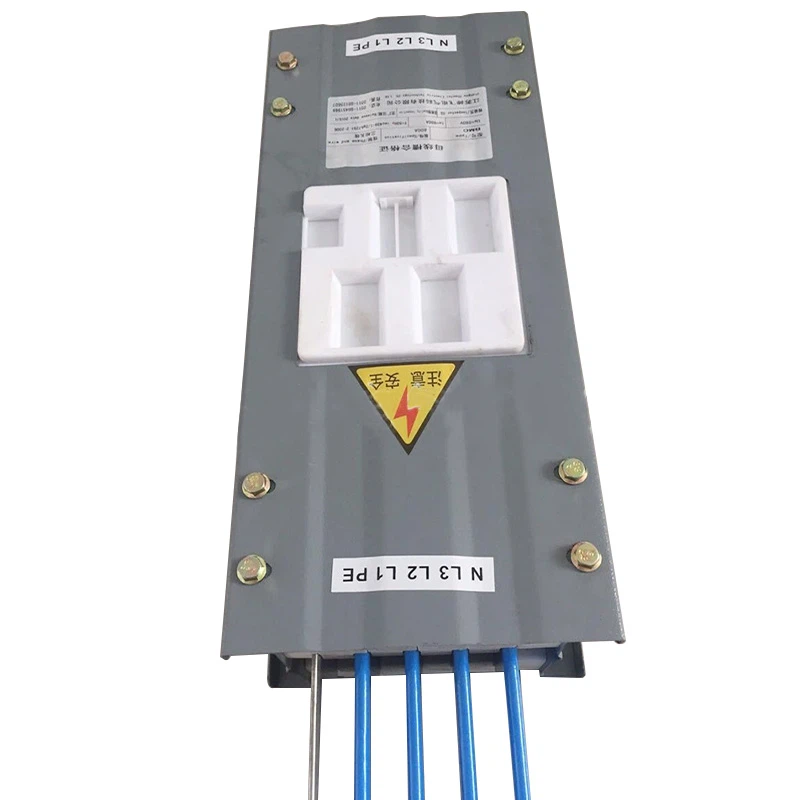
There are different types of busbar enclosures available, depending on the specific requirements of the application. For example, in a 3 - Phase Air - Insulated Bus Duct, the enclosure needs to be designed to accommodate the three - phase electrical configuration. These enclosures are often more complex in design, with separate compartments for each phase to prevent cross - talk and ensure proper insulation.
In some cases, you might need an explosion - proof enclosure for use in hazardous environments where there's a risk of flammable gases or dust. These enclosures are specially designed to contain any explosion that might occur within the enclosure and prevent it from spreading to the surrounding area.

Maintenance and Accessibility
While the enclosure provides protection, it also needs to allow for easy maintenance and inspection of the busbars. Most enclosures are designed with access doors or panels that can be easily opened to gain access to the busbars. This makes it convenient for maintenance personnel to check the condition of the busbars, perform routine maintenance tasks such as cleaning and tightening connections, and troubleshoot any issues that might arise. However, the access points are also designed in such a way that they can be securely closed to maintain the integrity of the enclosure when not in use.
The Role of the Enclosure in a Feeder Unit
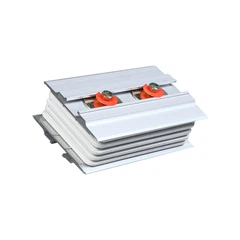
In an Air - Insulated Bus Duct Feeder Unit, the enclosure has an additional role. It helps to organize and distribute the electrical power from the main busbar to the various sub - circuits. The feeder unit enclosure is designed to house the necessary components such as circuit breakers, fuses, and connection points. It ensures that the power is distributed safely and efficiently, and it also provides a convenient way to isolate different circuits for maintenance or in the event of a fault.
Conclusion
So, as you can see, the busbar enclosure is not just an afterthought; it's an essential part of the Air Insulated Busbar system. It provides protection, safety, and environmental control, while also offering flexibility and ease of maintenance. Whether you're setting up a new electrical system or upgrading an existing one, choosing the right enclosure is crucial for the long - term performance and reliability of your busbars.
If you're in the market for Air Insulated Busbars and are looking for a reliable supplier, don't hesitate to reach out. We have a wide range of high - quality busbar enclosures and systems that can be tailored to your specific needs. Whether you're a small business or a large industrial operation, we can provide you with the right solution. Let's start a conversation about your requirements and see how we can help you power your operations safely and efficiently.
References
- Electrical Power Distribution Handbook
- Industrial Electrical Systems Design and Installation Guide
- Standards for Air Insulated Busbar Systems
Send Inquiry