

What is the effect of altitude on the performance of a copper bus duct?
Jan 15, 2026
Leave a message
Altitude is a critical environmental factor that can significantly influence the performance of various electrical equipment, including copper bus ducts. As a leading supplier of copper bus ducts, I've witnessed firsthand the impact of altitude on these essential components in electrical distribution systems. In this blog, I'll delve into the effects of altitude on the performance of copper bus ducts, exploring the underlying scientific principles and practical implications for our customers.
Understanding the Basics of Copper Bus Ducts
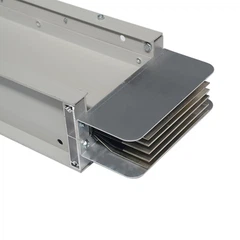
Before we discuss the effects of altitude, let's briefly review what copper bus ducts are and their role in electrical systems. Copper bus ducts are used to conduct electricity within a building or industrial facility. They consist of copper conductors enclosed in a protective housing, providing a safe and efficient way to distribute electrical power from a source (such as a transformer or generator) to various loads (such as motors, lighting, and other electrical equipment).
Copper is the preferred material for bus ducts due to its excellent electrical conductivity, high thermal conductivity, and good mechanical strength. These properties make copper bus ducts capable of handling high currents with minimal power loss and heat generation. However, the performance of copper bus ducts can be affected by various environmental factors, including altitude.
How Altitude Affects Air Density and Cooling
One of the primary ways altitude impacts the performance of copper bus ducts is through its effect on air density. As altitude increases, the air density decreases. This is because the atmospheric pressure decreases with increasing altitude, which in turn reduces the number of air molecules per unit volume.
The decrease in air density has several implications for the cooling of copper bus ducts. In normal operating conditions, heat generated by the flow of electrical current in the copper conductors is dissipated to the surrounding air through convection. Convection is the transfer of heat by the movement of a fluid (in this case, air). The rate of convection heat transfer is directly proportional to the density of the fluid. Therefore, as the air density decreases with increasing altitude, the rate of convection heat transfer from the bus duct to the surrounding air also decreases.
This reduced cooling capacity means that the bus duct will operate at a higher temperature for the same amount of electrical current. Higher operating temperatures can have several negative effects on the performance and lifespan of the bus duct. For example, excessive heat can cause the insulation materials in the bus duct to degrade more quickly, leading to a higher risk of electrical breakdown and short circuits. It can also reduce the mechanical strength of the copper conductors, increasing the likelihood of deformation or failure under mechanical stress.
Impact on Dielectric Strength
Another important aspect affected by altitude is the dielectric strength of the air. Dielectric strength is the maximum electric field that a material can withstand without breaking down and allowing an electric current to flow through it. In the case of copper bus ducts, the air between the conductors acts as an insulator, preventing electrical arcing between them.
As altitude increases, the dielectric strength of the air decreases. This is because the lower air density means that there are fewer air molecules to absorb and dissipate the energy of an electric field. As a result, the risk of electrical arcing between the conductors in the bus duct increases at higher altitudes. Electrical arcing can cause significant damage to the bus duct, including melting of the conductors and damage to the insulation materials. It can also pose a safety hazard to personnel working in the vicinity of the bus duct.
Altitude and Current-Carrying Capacity
The current-carrying capacity of a copper bus duct is defined as the maximum amount of electrical current that it can safely carry without exceeding its temperature rating. As we've discussed, the reduced cooling capacity and dielectric strength at higher altitudes can limit the current-carrying capacity of the bus duct.
To ensure safe and reliable operation at high altitudes, it may be necessary to derate the bus duct, which means reducing its rated current-carrying capacity. The derating factor depends on the specific altitude and the design of the bus duct. In general, for every 1000 meters increase in altitude above sea level, the current-carrying capacity of a bus duct may need to be reduced by 2-3%.
Practical Considerations for High-Altitude Applications
When supplying copper bus ducts for high-altitude applications, we take several factors into account to ensure optimal performance. First, we carefully select the insulation materials used in the bus duct. High-temperature-resistant insulation materials are often preferred to withstand the higher operating temperatures associated with high altitudes.


We also design the bus duct with enhanced cooling features. For example, we may increase the surface area of the conductors to improve heat dissipation or use forced-air cooling systems in extreme cases. Additionally, we ensure that the bus duct has sufficient clearance between the conductors to minimize the risk of electrical arcing.
Product Recommendations for High-Altitude Use
For customers operating in high-altitude environments, we recommend considering our High Current Busbar. This product is designed to handle high currents efficiently and is suitable for use in challenging environments. Its robust construction and advanced insulation materials make it well-suited for high-altitude applications.
Our Busway Vertical Elbow is another excellent option for high-altitude installations. It provides a reliable solution for changing the direction of the bus duct in a vertical plane, with features designed to ensure safe and efficient operation at high altitudes.
In some cases, customers may also consider our Aluminum Bus Duct. Aluminum has a lower density than copper, which can result in lower weight and potentially better heat dissipation characteristics. However, it's important to note that aluminum also has a lower electrical conductivity than copper, so the design and sizing of the aluminum bus duct need to be carefully considered to meet the specific requirements of the application.
Conclusion and Call to Action
In conclusion, altitude can have a significant impact on the performance of copper bus ducts, primarily through its effects on air density, cooling capacity, and dielectric strength. As a supplier, we understand the challenges associated with high-altitude applications and are committed to providing our customers with high-quality products and solutions that are designed to perform reliably in these environments.
If you're in the process of planning an electrical distribution system for a high-altitude location, or if you have any questions about the suitability of our copper bus ducts for your specific application, we encourage you to contact us. Our team of experts is ready to assist you in selecting the right products and ensuring a successful installation.
References
- "Electrical Power Distribution Handbook" by Dugan, McGranaghan, and Beaty
- "Handbook of Electrical Engineering" by H. Cotton
- Industry standards and guidelines related to electrical equipment installation at high altitudes
Send Inquiry