

What is the difference between Tinned Copper Busbar and bare copper busbar?
Oct 22, 2026
Leave a message
What is the difference between Tinned Copper Busbar and bare copper busbar?
As a supplier of tinned copper busbars, I often get asked about the differences between tinned copper busbars and bare copper busbars. In this blog post, I'll delve into the key distinctions between these two types of busbars, exploring their characteristics, advantages, and applications.
Physical Appearance and Composition
The most obvious difference between tinned copper busbars and bare copper busbars lies in their physical appearance. Bare copper busbars, as the name suggests, are made of pure copper and have a natural, shiny metallic finish. They are typically a reddish - brown color, which is characteristic of copper.
On the other hand, tinned copper busbars are copper busbars that have been coated with a thin layer of tin. This tin coating gives the busbar a silver - gray appearance. The tin layer is usually applied through a process called electroplating, where an electric current is used to deposit a thin layer of tin onto the surface of the copper busbar.
Oxidation Resistance
One of the significant differences between the two types of busbars is their resistance to oxidation. Copper is a metal that readily reacts with oxygen in the air to form copper oxide. Over time, this oxidation can lead to a decrease in the conductivity of the busbar and can also cause corrosion, which may affect the performance and lifespan of the busbar.
Bare copper busbars are more prone to oxidation. When exposed to air and moisture, the surface of the bare copper will gradually turn green as copper carbonate forms. This oxidation can increase the resistance of the busbar, leading to higher energy losses and potential overheating issues.
Tinned copper busbars, however, have better oxidation resistance. The tin coating acts as a barrier, preventing oxygen and moisture from coming into direct contact with the copper surface. This significantly reduces the rate of oxidation and corrosion, ensuring that the busbar maintains its conductivity and performance over a longer period.
Electrical Conductivity
Both tinned copper busbars and bare copper busbars are excellent conductors of electricity. Copper is known for its high electrical conductivity, which is why it is widely used in electrical applications.
In terms of pure electrical conductivity, bare copper has a slight edge because there is no additional layer between the conductor and the electrical current. However, the difference in conductivity between tinned and bare copper busbars is usually negligible in most practical applications.
The tin coating on tinned copper busbars is very thin, typically in the range of a few micrometers. This thin layer does not significantly impede the flow of electricity. In fact, in some cases, the tin coating can improve the contact resistance between the busbar and other electrical components, which can enhance the overall electrical performance of the system.

Solderability
Solderability is an important factor in many electrical applications, especially when it comes to connecting busbars to other components. Bare copper can be soldered, but it requires proper surface preparation to ensure a good solder joint. The presence of oxidation on the surface of bare copper can make soldering more difficult and may result in a weaker joint.
Tinned copper busbars have excellent solderability. The tin coating provides a clean and easily wettable surface for soldering. This makes it easier to create strong and reliable solder joints, which is crucial for the long - term performance of the electrical system.
Applications
The choice between tinned copper busbars and bare copper busbars often depends on the specific application.
Bare copper busbars are commonly used in applications where cost is a major consideration and where the environment is relatively clean and dry. For example, in some indoor electrical panels and switchgear, bare copper busbars can be a cost - effective solution.
Tinned copper busbars are preferred in applications where the busbars are exposed to harsh environments, such as high humidity, corrosive atmospheres, or outdoor installations. They are also widely used in industries such as telecommunications, where reliable electrical connections are essential. Additionally, tinned copper busbars are often used in applications that require good solderability, such as printed circuit boards and electronic devices.
Cost
Cost is another factor to consider when choosing between tinned copper busbars and bare copper busbars. Bare copper busbars are generally less expensive than tinned copper busbars because the tin - coating process adds to the manufacturing cost. However, the additional cost of tinned copper busbars may be justified in applications where their superior oxidation resistance and solderability are required.
Related Products
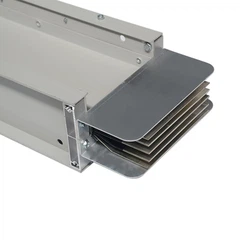
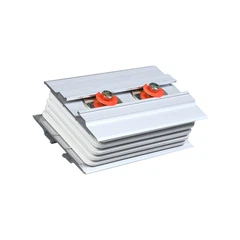
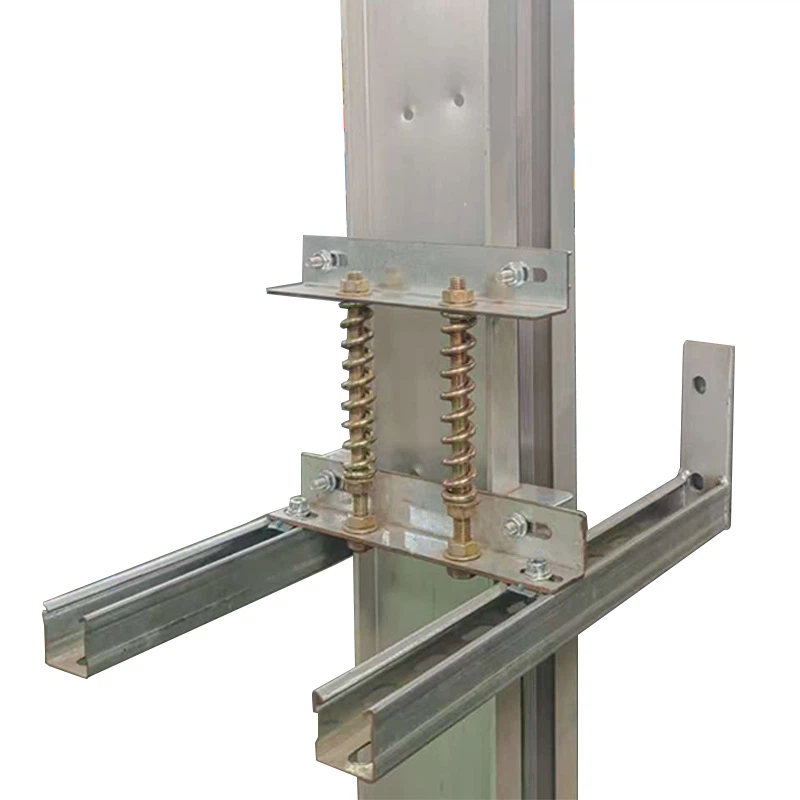
If you are interested in other busway core accessories, you might want to check out Busway Spring Support, Flexible Busduct, and Copper - Clad Aluminum Conductor. These products can complement your busbar system and enhance its performance.
Conclusion
In conclusion, the main differences between tinned copper busbars and bare copper busbars lie in their oxidation resistance, solderability, and cost. Bare copper busbars are more cost - effective but are more prone to oxidation. Tinned copper busbars offer better oxidation resistance and solderability, making them suitable for harsh environments and applications that require reliable electrical connections.
If you are in the market for tinned copper busbars or have any questions about their applications, feel free to reach out to us. We are here to help you make the right choice for your electrical needs.
References
- Electrical Engineering Handbook, Third Edition
- Copper Development Association Technical Publications
Send Inquiry