

What are the common faults of air - insulated bus duct?
Oct 20, 2026
Leave a message
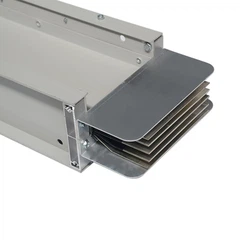
As an air-insulated bus duct supplier, I've seen my fair share of issues with these systems. Air-insulated bus ducts are a popular choice for electrical power distribution in various industrial and commercial settings due to their flexibility, ease of installation, and cost-effectiveness. However, like any electrical equipment, they are not immune to faults. In this blog, I'll discuss some of the common faults of air-insulated bus ducts and how to address them.
1. Overheating
One of the most common problems with air-insulated bus ducts is overheating. This can be caused by several factors. Firstly, overloading is a major culprit. When the bus duct is carrying more current than it's rated for, it generates excessive heat. For example, if a factory installs a bus duct with a certain current capacity but later adds more electrical equipment without upgrading the bus duct, overloading occurs.


Another reason for overheating is poor contact. Loose connections at the joints between bus duct sections or at the tap-off points can increase resistance. According to Ohm's law (V = IR), when resistance (R) increases, for a given current (I), the voltage drop (V) across the connection increases, and this leads to heat generation.
To prevent overheating, it's crucial to size the bus duct correctly based on the expected load. Regular inspections should be carried out to check for loose connections. Tightening the bolts at the joints and ensuring proper contact can significantly reduce the risk of overheating.
2. Insulation Failure
Insulation is a critical component of air-insulated bus ducts. Insulation failure can occur due to several reasons. Moisture is one of the main enemies of insulation. If the bus duct is installed in a damp environment, moisture can penetrate the insulation material, reducing its insulating properties. For instance, in a basement where there is high humidity, the insulation of the bus duct may degrade over time.
Mechanical damage can also lead to insulation failure. During installation or maintenance, if the bus duct is mishandled, the insulation can be scratched or punctured. This exposes the conductors and increases the risk of short circuits.
To avoid insulation failure, it's important to install the bus duct in a dry environment. If the environment is prone to moisture, additional protective measures such as enclosures or moisture barriers can be used. When handling the bus duct, proper care should be taken to prevent mechanical damage.
3. Corrosion
Corrosion is another common fault in air-insulated bus ducts, especially in harsh environments. The conductors and the enclosure of the bus duct can be corroded by chemicals, salt, or moisture. For example, in a coastal area, the salt in the air can accelerate the corrosion process.
Corrosion can weaken the conductors, reducing their conductivity and increasing resistance. It can also damage the enclosure, compromising the protection of the conductors.
To prevent corrosion, the bus duct should be made of corrosion-resistant materials. Coating the conductors and the enclosure with anti-corrosion materials can also help. Regular cleaning and inspection can detect early signs of corrosion and allow for timely treatment.
4. Vibration and Noise
Vibration and noise can be a nuisance in air-insulated bus ducts. Vibration can be caused by unbalanced loads, loose components, or resonance. When the bus duct vibrates, it can cause wear and tear on the components, leading to premature failure.
Noise can be a result of the vibration or electrical arcing. Electrical arcing occurs when there is a breakdown in the insulation, and current jumps across a gap. This can produce a buzzing or crackling sound.
To reduce vibration and noise, proper installation is key. The bus duct should be securely mounted to prevent movement. Balancing the loads can also help reduce vibration. If electrical arcing is suspected, the insulation should be checked and repaired.
5. Faulty Tap-Off Units
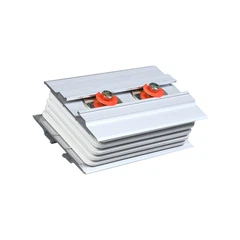
Tap-off units are used to connect electrical equipment to the bus duct. Faulty tap-off units can cause problems such as poor contact, overheating, and short circuits. A common issue with tap-off units is loose connections. If the tap-off unit is not properly installed or tightened, it can lead to increased resistance and heat generation.
Another problem is the incorrect sizing of the tap-off unit. If the tap-off unit is not rated for the current it needs to carry, it can overheat and fail.
To ensure the proper functioning of tap-off units, they should be installed by trained professionals. Regular inspections should be carried out to check for loose connections and proper sizing. You can learn more about Air-Insulated Busway Tap Off Unit.
6. Elbow Issues
Air-insulated bus duct elbows are used to change the direction of the bus duct. Elbows can be a source of problems if they are not properly designed or installed. One common issue is the misalignment of the conductors at the elbow. This can cause increased resistance and heat generation.
Another problem is the stress on the elbow due to the change in direction. If the elbow is not strong enough, it can crack or break over time.
To avoid elbow issues, high-quality elbows should be used. They should be designed to handle the stress of the change in direction. Proper installation is also crucial to ensure the alignment of the conductors. You can find more information about Air-Insulated Bus Duct Elbow.
7. Three-Phase Imbalance
In a 3-phase air-insulated bus duct, a three-phase imbalance can occur. This means that the current in each phase is not equal. Three-phase imbalance can be caused by unevenly distributed loads, faulty electrical equipment, or problems with the power supply.
A three-phase imbalance can lead to overheating in the bus duct, reduced efficiency, and damage to electrical equipment. To prevent three-phase imbalance, the loads should be evenly distributed among the three phases. Regular monitoring of the current in each phase can help detect and correct any imbalances. You can learn more about 3-Phase Air-Insulated Bus Duct.
Conclusion
Air-insulated bus ducts are a reliable and efficient way to distribute electrical power, but they are not without their faults. By being aware of the common problems such as overheating, insulation failure, corrosion, vibration, faulty tap-off units, elbow issues, and three-phase imbalance, you can take steps to prevent them. Regular inspections, proper installation, and the use of high-quality components are essential for the long-term performance of air-insulated bus ducts.
If you're in the market for air-insulated bus ducts or need help with troubleshooting existing systems, don't hesitate to contact us. We're here to provide you with the best solutions for your electrical power distribution needs.
References
- Electrical Engineering Handbook, various editions
- Manufacturer's manuals for air-insulated bus ducts
Send Inquiry