

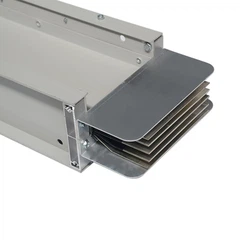
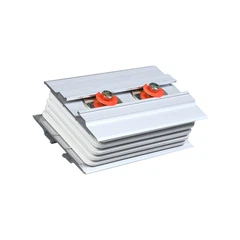
What are the harsh environmental conditions in industrial plants that Fireproof Bus Duct needs to withstand?
Oct 21, 2026
Leave a message
Industrial plants are complex environments where a multitude of harsh conditions can pose significant challenges to electrical infrastructure. As a supplier of Fireproof Bus Duct, I have witnessed firsthand the demanding situations these systems must endure. In this blog, we will explore the various harsh environmental conditions in industrial plants that Fireproof Bus Duct needs to withstand.
High Temperatures
One of the most prominent challenges in industrial plants is high temperatures. Many industrial processes generate a substantial amount of heat, which can reach extreme levels. For instance, in steel manufacturing plants, the temperature in the vicinity of furnaces can exceed several hundred degrees Celsius. Fireproof Bus Duct must be able to resist these high temperatures without compromising its functionality.
Our Fireproof Bus Duct is designed with advanced insulation materials that can withstand high temperatures for extended periods. These materials create a thermal barrier, preventing the heat from reaching the conductors inside the bus duct. This ensures that the electrical system remains operational even in the most extreme heat conditions. For example, our Fire-Resistant Busway Feeder Unit is engineered to maintain its integrity at temperatures up to [specific temperature] for a specified duration, providing reliable power distribution in high-temperature environments.
Chemical Exposure
Industrial plants often deal with a wide range of chemicals, including acids, alkalis, solvents, and corrosive gases. These chemicals can have a detrimental effect on electrical components, causing corrosion, degradation, and even electrical failures. Fireproof Bus Duct must be able to resist chemical exposure to ensure long-term reliability.
Our Fireproof Bus Duct is constructed with corrosion-resistant materials that can withstand the corrosive effects of various chemicals. The outer enclosure is made of a durable metal alloy that provides excellent protection against chemical attack. Additionally, the insulation materials used in the bus duct are chemically inert, preventing them from reacting with the chemicals present in the environment. This ensures that the bus duct remains in good condition and continues to function properly even in chemically aggressive environments. For example, our Metal Enclosed Busway is designed to resist corrosion from a wide range of chemicals, making it suitable for use in chemical processing plants, refineries, and other industrial facilities where chemical exposure is a concern.
Moisture and Humidity
Moisture and humidity are common issues in industrial plants, especially in areas where there is water or steam. High levels of moisture can cause electrical short circuits, corrosion, and other problems. Fireproof Bus Duct must be able to withstand moisture and humidity to ensure the safety and reliability of the electrical system.


Our Fireproof Bus Duct is designed with a tight seal to prevent moisture from entering the enclosure. The insulation materials used in the bus duct are also moisture-resistant, preventing the absorption of water and ensuring that the electrical properties of the bus duct remain stable. Additionally, the bus duct is equipped with drainage holes to allow any accumulated moisture to escape. This helps to prevent the formation of condensation and reduces the risk of electrical failures. For example, our Fire-Resistant Busduct Elbow is designed to provide a watertight seal, making it suitable for use in wet or humid environments such as water treatment plants, food processing facilities, and underground tunnels.
Dust and Particulate Matter
Industrial plants often generate a significant amount of dust and particulate matter, which can accumulate on electrical components and cause problems. Dust can act as an insulator, reducing the efficiency of the electrical system and increasing the risk of overheating. Particulate matter can also cause abrasion and damage to the insulation materials, leading to electrical failures. Fireproof Bus Duct must be able to resist the accumulation of dust and particulate matter to ensure the proper functioning of the electrical system.
Our Fireproof Bus Duct is designed with a smooth outer surface that resists the accumulation of dust and particulate matter. The enclosure is also sealed to prevent the ingress of dust and other contaminants. Additionally, the bus duct is equipped with filters to remove any dust or particulate matter that may enter the enclosure. This helps to maintain the cleanliness of the electrical system and reduces the risk of electrical failures. For example, our Fire-Resistant Busway Feeder Unit is designed to operate in dusty environments, such as mining operations, cement plants, and power generation facilities.
Vibration and Shock
Industrial plants are often subject to vibration and shock due to the operation of machinery and equipment. Vibration and shock can cause mechanical stress on electrical components, leading to loose connections, damage to the insulation, and other problems. Fireproof Bus Duct must be able to withstand vibration and shock to ensure the reliability of the electrical system.
Our Fireproof Bus Duct is designed with a robust construction that can withstand vibration and shock. The enclosure is made of a strong metal alloy that provides excellent mechanical strength and durability. Additionally, the bus duct is equipped with shock absorbers and vibration dampers to reduce the impact of vibration and shock on the electrical components. This helps to prevent damage to the bus duct and ensures that the electrical system remains operational even in high-vibration environments. For example, our Metal Enclosed Busway is designed to withstand the vibration and shock generated by heavy machinery and equipment, making it suitable for use in manufacturing plants, automotive factories, and other industrial facilities.
Fire and Flame Resistance
As the name suggests, Fireproof Bus Duct is designed to resist fire and flame. In industrial plants, there is a risk of fire due to various factors, such as electrical faults, chemical spills, and combustible materials. Fireproof Bus Duct must be able to prevent the spread of fire and maintain its integrity for a specified period to ensure the safety of the electrical system and the personnel in the plant.
Our Fireproof Bus Duct is constructed with fire-resistant materials that can withstand high temperatures and prevent the spread of fire. The insulation materials used in the bus duct are made of non-combustible materials, such as ceramic fiber and mica, which have excellent fire resistance properties. Additionally, the bus duct is designed with a fire barrier that prevents the passage of flames and smoke. This helps to contain the fire and prevent it from spreading to other areas of the plant. For example, our Fire-Resistant Busduct Elbow is designed to provide fire protection for a specified duration, making it suitable for use in areas where fire safety is a concern, such as power stations, hospitals, and commercial buildings.
Conclusion
In conclusion, Fireproof Bus Duct plays a crucial role in ensuring the reliable and safe operation of electrical systems in industrial plants. It must be able to withstand a wide range of harsh environmental conditions, including high temperatures, chemical exposure, moisture and humidity, dust and particulate matter, vibration and shock, and fire and flame. As a supplier of Fireproof Bus Duct, we are committed to providing high-quality products that meet the demanding requirements of industrial applications. Our products are designed and tested to ensure that they can withstand the harshest environmental conditions and provide reliable power distribution in industrial plants.
If you are looking for a reliable Fireproof Bus Duct solution for your industrial plant, we invite you to contact us for a consultation. Our team of experts will be happy to discuss your specific requirements and recommend the most suitable product for your application. We look forward to working with you to ensure the safety and reliability of your electrical system.
References
- [1] Electrical Safety in Industrial Plants: Best Practices and Standards
- [2] Fire Protection in Industrial Facilities: Guidelines and Regulations
- [3] Corrosion Prevention in Electrical Systems: Strategies and Solutions
Send Inquiry