

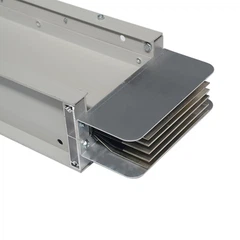
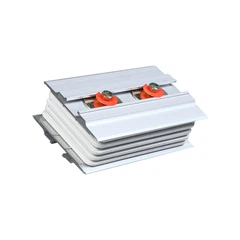
What is the difference between a busway vertical elbow and a horizontal elbow?
Aug 11, 2025
Leave a message
Hey there! As a supplier of Busway Vertical Elbows, I've gotten a ton of questions about the differences between busway vertical elbows and horizontal elbows. So, I thought I'd break it down for you in this blog post.
Installation and Orientation
First off, let's talk about installation and orientation. The most obvious difference between a busway vertical elbow and a horizontal elbow is how they're installed and which way they bend. A vertical elbow is designed to change the direction of the busway in a vertical plane. It's like taking a busway that's running horizontally and making it go up or down. This is super useful in buildings where you need to route the busway between different floors.
On the other hand, a horizontal elbow is used to change the direction of the busway in a horizontal plane. Picture a busway running along a ceiling or a floor, and you need to make it turn left or right. That's where a horizontal elbow comes in.
The installation process for each is also a bit different. Installing a vertical elbow often requires more care and precision because you're dealing with gravity. You've got to make sure it's properly supported and secured so that it doesn't come loose or cause any issues with the busway system. Horizontal elbows are generally a bit easier to install, but you still need to follow the manufacturer's guidelines to ensure a proper fit and connection.
Electrical Performance
When it comes to electrical performance, both vertical and horizontal elbows need to maintain the integrity of the electrical circuit. However, there are some factors that can affect their performance differently.


In a vertical elbow, the flow of electricity can be influenced by the vertical orientation. The weight of the conductors and any associated components can cause stress on the connections, which might potentially lead to increased resistance if not properly installed. Also, heat dissipation can be a bit different in a vertical setup. Heat tends to rise, so you need to make sure there's enough ventilation around the vertical elbow to prevent overheating.
For horizontal elbows, the main concern is often the mechanical stress on the conductors due to the bending. If the bend radius isn't correct, it can cause the conductors to deform, which can increase resistance and affect the electrical performance. Additionally, horizontal elbows need to be protected from any potential physical damage, like being bumped or hit by other objects in the area.
Space Requirements
Space is another important factor to consider. Vertical elbows typically take up less horizontal space but more vertical space. This can be a big advantage in buildings where floor space is limited. You can use a vertical elbow to route the busway up or down without taking up too much room on the floor or ceiling.
Horizontal elbows, on the other hand, require more horizontal space but less vertical space. They're great for situations where you have plenty of room to maneuver in the horizontal plane but limited vertical clearance.
Compatibility with Other Components
Both vertical and horizontal elbows need to be compatible with the rest of the busway system. This includes things like Bus Duct Flange, which are used to connect different sections of the busway together.
When using a vertical elbow, you need to make sure that the flanges are properly aligned and tightened to ensure a good electrical connection. The same goes for horizontal elbows, but the alignment process might be a bit different due to the different orientation.
Also, if you're using Copper Bus Duct, you need to ensure that the elbows are made from compatible materials. Copper has specific properties that need to be maintained throughout the busway system to ensure optimal performance.
Customization and Non - Standard Options
Sometimes, you might need a non - standard elbow to fit your specific application. That's where options like Non - Standard Bus Duct Flange End come in handy.
For vertical elbows, you might need a custom design if you have unique height requirements or if you're working in a building with an unusual layout. Maybe you need a vertical elbow that can handle a higher current capacity or has a specific bend angle.
Horizontal elbows can also benefit from customization. You might need a custom bend radius or a different size to fit into a tight space. Working with a supplier who can provide these non - standard options is crucial to getting the right elbow for your project.
Cost
Cost is always a consideration when choosing between a vertical and a horizontal elbow. Generally, vertical elbows tend to be a bit more expensive due to the additional engineering and support required for the vertical installation. They often need stronger support structures and more precise manufacturing to ensure proper electrical performance.
Horizontal elbows are usually a bit more cost - effective, but the price can still vary depending on the size, material, and any custom features you might need.
Applications
The applications for vertical and horizontal elbows are quite diverse.
Vertical elbows are commonly used in high - rise buildings, where they're used to route the busway between different floors. They're also used in industrial facilities where there are multiple levels of equipment and machinery that need to be powered.
Horizontal elbows are often found in large warehouses, factories, and commercial buildings. They're used to route the busway around obstacles, through different rooms, or to connect different areas of a building on the same level.
Conclusion
In conclusion, while both busway vertical elbows and horizontal elbows serve the purpose of changing the direction of the busway, they have distinct differences in terms of installation, electrical performance, space requirements, compatibility, customization, cost, and applications.
If you're in the market for a busway elbow, it's important to carefully consider your specific needs and requirements. Whether you need a Non - Standard Bus Duct Flange End or a Copper Bus Duct, I'm here to help. As a supplier of Busway Vertical Elbows, I've got the expertise and the products to meet your needs.
If you're interested in learning more or discussing your busway elbow requirements, feel free to reach out. I'd be happy to have a chat and help you find the right solution for your project. Let's work together to ensure your busway system runs smoothly and efficiently.
References
- Electrical Installation Handbook, Schneider Electric
- Busway Systems: Design, Installation, and Maintenance Guide, Siemens
Send Inquiry