

What are the training requirements for installing an underground bus duct?
May 15, 2026
Leave a message
Hey there! As a supplier of Underground Bus Ducts, I often get asked about the training requirements for installing these bad boys. So, I thought I'd put together a blog post to share some insights on what it takes to get the job done right.
First off, let's talk about why proper training is so important. Installing an underground bus duct isn't just about digging a hole and dropping the duct in. It involves working with high-voltage electrical systems, dealing with various environmental factors, and following strict safety protocols. A single mistake could lead to serious consequences, like electrical shocks, fires, or even explosions. So, anyone who wants to install an underground bus duct needs to be well-trained and knowledgeable.
Basic Electrical Knowledge
One of the fundamental training requirements is a solid understanding of electrical principles. Installers should know the basics of electricity, such as voltage, current, resistance, and Ohm's law. They should also be familiar with different types of electrical systems and components, including transformers, circuit breakers, and switches. This knowledge will help them troubleshoot problems and make sure the bus duct is installed correctly.
For example, understanding the electrical load requirements of the system is crucial. If the bus duct isn't sized properly, it can overheat and cause damage to the equipment. Installers need to be able to calculate the load and select the appropriate bus duct size based on the specific application.
Safety Training
Safety is always the top priority when working with electrical systems. Installers need to undergo comprehensive safety training that covers topics like electrical hazards, personal protective equipment (PPE), and safe work practices. They should know how to identify potential hazards, such as exposed wires or faulty equipment, and take the necessary precautions to avoid accidents.
PPE is a must-have for anyone working on an underground bus duct installation. This includes items like insulated gloves, safety glasses, hard hats, and flame-resistant clothing. Installers should also be trained on how to use this equipment properly and maintain it in good condition.
In addition to using PPE, installers need to follow strict safety procedures when working on the job site. This includes locking out and tagging out electrical systems before starting work, using proper grounding techniques, and following all local electrical codes and regulations.
Installation Techniques
Once installers have a good understanding of electrical principles and safety procedures, they need to learn the proper installation techniques for underground bus ducts. This involves several steps, including site preparation, duct installation, and connection to the electrical system.
Site Preparation
Before the bus duct can be installed, the site needs to be prepared. This includes clearing the area of any debris or obstacles, marking the location of the duct, and excavating the trench to the appropriate depth and width. Installers need to make sure the trench is level and free of any sharp objects that could damage the bus duct.
Duct Installation
The next step is to install the bus duct in the trench. Installers need to carefully lower the duct into place and make sure it is properly aligned. They also need to secure the duct to prevent it from shifting or moving during operation. This may involve using brackets, clamps, or other fastening devices.
Connection to the Electrical System
Once the bus duct is installed, it needs to be connected to the electrical system. This involves making electrical connections between the bus duct and the transformers, circuit breakers, and other components. Installers need to use the proper tools and techniques to make these connections, and they need to make sure they are tight and secure to prevent electrical arcing or other problems.


Familiarity with Our Products
As a supplier of Underground Bus Ducts, we offer a range of products that are designed to meet different customer needs. Installers need to be familiar with our products and understand how they work. This includes knowing the features and benefits of each product, as well as the installation requirements and limitations.
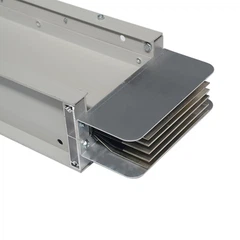
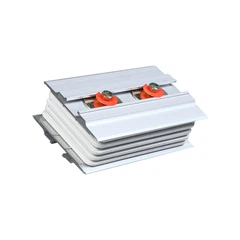
For example, we offer Dual-Conductor Cast Resin Busduct, Modular Plug-in Cast Resin Busduct, and Cast Resin Busduct. Each of these products has its own unique characteristics and installation requirements. Installers need to be able to select the right product for the job and install it correctly.
Hands-On Training
In addition to theoretical knowledge, installers also need hands-on training to gain practical experience. This can be done through on-the-job training, apprenticeships, or specialized training courses. Hands-on training allows installers to practice their skills in a real-world environment and learn from experienced professionals.
During hands-on training, installers will have the opportunity to install actual bus ducts and make electrical connections. They will also learn how to troubleshoot problems and make repairs if necessary. This practical experience is essential for becoming a proficient underground bus duct installer.
Continuing Education
The field of electrical engineering is constantly evolving, and new technologies and products are being developed all the time. Installers need to stay up-to-date with the latest trends and developments in the industry by participating in continuing education courses and training programs.
Continuing education can help installers learn about new installation techniques, safety procedures, and product features. It can also help them maintain their professional certifications and licenses. By investing in continuing education, installers can improve their skills and knowledge and become more valuable assets to their employers.
Conclusion
Installing an underground bus duct requires a combination of technical knowledge, safety training, practical experience, and familiarity with the products. As a supplier of Underground Bus Ducts, we are committed to providing our customers with the highest quality products and support. If you're interested in learning more about our products or have any questions about the installation process, please don't hesitate to contact us. We'd be happy to help you with your next project.
References
- Electrical Safety Foundation International. (n.d.). Electrical Safety for Workers.
- National Fire Protection Association. (n.d.). NFPA 70: National Electrical Code.
- Underwriters Laboratories. (n.d.). UL 857: Standard for Safety for Busways.
Send Inquiry