

How does ambient temperature affect the operation of a copper bus duct?
May 13, 2026
Leave a message
Ambient temperature plays a crucial role in the operation of a copper bus duct. As a leading supplier of copper bus ducts, we have witnessed firsthand how temperature variations can impact the performance and longevity of these essential electrical components. In this blog, we will delve into the scientific aspects of how ambient temperature affects the operation of copper bus ducts, and why it is important to consider these factors in your electrical distribution systems.
Thermal Expansion and Contraction
One of the primary effects of ambient temperature on copper bus ducts is thermal expansion and contraction. Copper, like most materials, expands when heated and contracts when cooled. This phenomenon can have significant implications for the mechanical integrity of the bus duct system.
When the ambient temperature rises, the copper bus bars within the duct expand. If the bus duct is not designed to accommodate this expansion, it can lead to mechanical stress on the joints, supports, and insulation materials. Over time, this stress can cause loosening of connections, cracking of insulation, and even physical damage to the bus duct structure.
Conversely, when the temperature drops, the copper bus bars contract. This contraction can also create problems, such as increased resistance at the joints due to reduced contact pressure. Higher resistance leads to increased heat generation, which can further exacerbate the situation and potentially cause overheating and failure of the bus duct system.
To mitigate the effects of thermal expansion and contraction, our copper bus ducts are engineered with expansion joints and flexible connections. These features allow the bus bars to expand and contract freely without causing excessive stress on the system. Additionally, we use high-quality insulation materials that can withstand temperature variations and maintain their electrical properties over a wide range of conditions.
Electrical Resistance and Heat Generation
Another important factor affected by ambient temperature is the electrical resistance of the copper bus bars. According to Ohm's law, resistance is directly proportional to the temperature of the conductor. As the ambient temperature increases, the resistance of the copper bus bars also increases.
Higher resistance means that more energy is dissipated as heat when current flows through the bus bars. This heat generation can have several negative consequences for the operation of the bus duct system. Firstly, excessive heat can cause the insulation materials to degrade more quickly, reducing their effectiveness and increasing the risk of electrical breakdown. Secondly, the heat can cause the bus bars to expand further, leading to additional mechanical stress on the system.
To minimize the impact of increased resistance and heat generation, our copper bus ducts are designed with low-resistance bus bars and efficient cooling mechanisms. We use high-purity copper with excellent electrical conductivity to reduce the resistance and heat losses. Additionally, we incorporate ventilation channels and heat sinks in our bus duct designs to dissipate heat more effectively and maintain a lower operating temperature.

Insulation Performance
The performance of the insulation materials used in copper bus ducts is also highly dependent on the ambient temperature. Insulation materials are used to prevent electrical current from leaking out of the bus bars and to protect the system from short circuits and electrical shocks.
At high temperatures, the insulation materials can become softer and more prone to deformation. This can lead to a reduction in the insulation resistance and an increase in the risk of electrical breakdown. Additionally, the high temperature can cause the insulation materials to release gases and vapors, which can further degrade the insulation performance and create a fire hazard.
On the other hand, at low temperatures, the insulation materials can become brittle and more susceptible to cracking. This can also lead to a reduction in the insulation resistance and an increase in the risk of electrical breakdown.
To ensure the reliable performance of our copper bus ducts, we use high-quality insulation materials that are specifically designed to withstand a wide range of temperatures. Our insulation materials have excellent thermal stability, mechanical strength, and electrical insulation properties. Additionally, we conduct rigorous testing on our insulation materials to ensure that they meet or exceed the industry standards for performance and safety.
Corrosion and Oxidation
Ambient temperature can also affect the corrosion and oxidation of the copper bus bars. Copper is a relatively stable metal, but it can react with oxygen and other chemicals in the environment to form oxides and corrosion products.
At high temperatures, the rate of oxidation and corrosion increases significantly. The high temperature can accelerate the chemical reactions between the copper and the oxygen in the air, leading to the formation of copper oxide on the surface of the bus bars. This copper oxide can increase the resistance of the bus bars and reduce their electrical conductivity. Additionally, the corrosion products can cause pitting and erosion of the bus bars, which can weaken the structure and reduce the lifespan of the bus duct system.
To prevent corrosion and oxidation, our copper bus bars are coated with a protective layer of tin or other anti-corrosion materials. This coating acts as a barrier between the copper and the environment, preventing the oxygen and other chemicals from coming into contact with the copper surface. Additionally, we use sealed bus duct enclosures to protect the bus bars from moisture, dust, and other contaminants that can contribute to corrosion.
Impact on System Performance and Reliability
The effects of ambient temperature on the operation of copper bus ducts can have a significant impact on the performance and reliability of the electrical distribution system as a whole. If the bus duct system is not designed to withstand the expected temperature variations, it can lead to frequent breakdowns, downtime, and costly repairs.
In extreme cases, overheating and failure of the bus duct system can cause electrical fires, which can pose a serious threat to the safety of personnel and property. Therefore, it is essential to consider the ambient temperature conditions when selecting and designing a copper bus duct system.
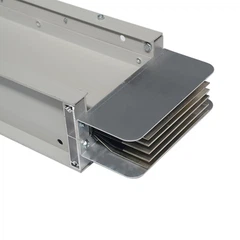
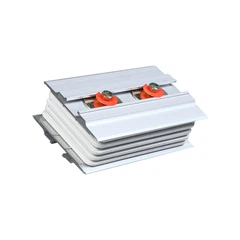
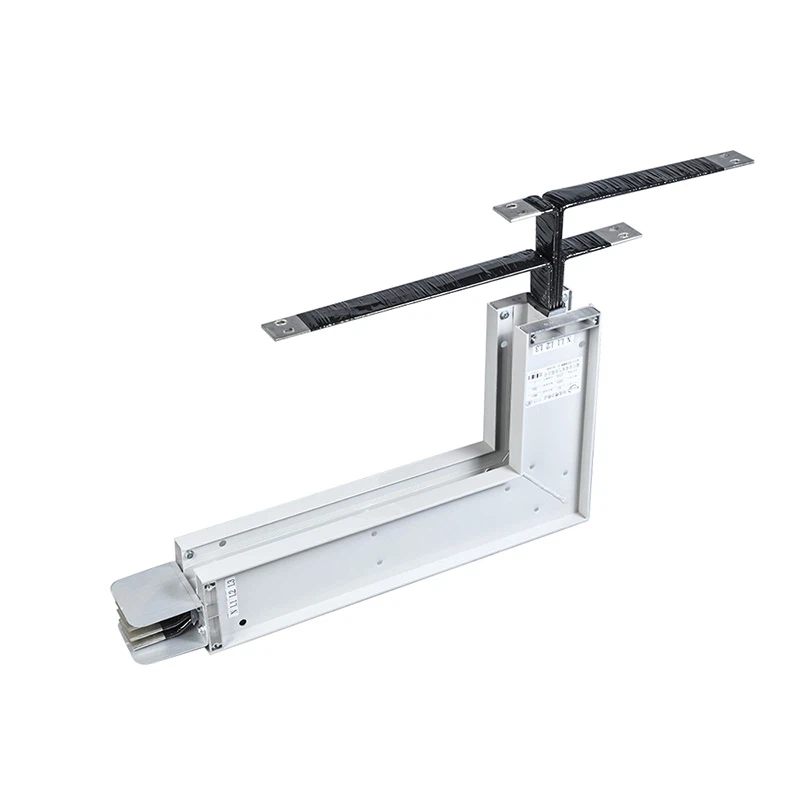
As a copper bus duct supplier, we offer a wide range of products that are designed to meet the requirements of different applications and environments. Our bus ducts are available in various sizes, configurations, and ratings to suit your specific needs. Whether you need a Busway Vertical Elbow, Non-Standard Bus Duct Flange End, or a New Generation Sandwich Busduct, we have the expertise and experience to provide you with a reliable and efficient solution.
Contact Us for Procurement and Consultation
If you are looking for a high-quality copper bus duct solution for your electrical distribution system, we invite you to contact us. Our team of experts can help you select the right bus duct products for your specific requirements and provide you with professional installation, maintenance, and support services.
We understand the importance of reliability and safety in electrical systems, and we are committed to providing our customers with the best products and services. Whether you are a contractor, engineer, or end-user, we look forward to working with you to meet your copper bus duct needs.
References
- Electrical Power Distribution Handbook, by Gerald Strydom
- Insulation Materials and Systems for Electric Machines, Transformers, and Other Equipment, by John K. Nelson
- Handbook of Electrical Installation Practice, by B.E. Bond
Send Inquiry