

What are the installation tools required for an underground bus duct?
Aug 29, 2025
Leave a message
Hey there! As a supplier of underground bus ducts, I often get asked about the installation tools required for these systems. So, I thought I'd write a blog post to share some insights.
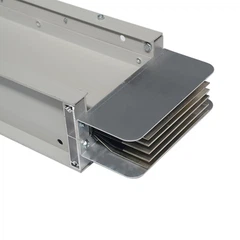
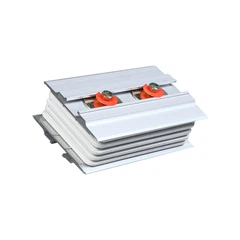
First off, let's understand what an underground bus duct is. It's a vital part of an electrical distribution system, used to carry electrical power underground. It's a reliable and efficient way to transfer electricity, especially in areas where overhead lines aren't an option.
Now, let's dive into the installation tools you'll need.


Measuring Tools
- Tape Measure: This is a no - brainer. You'll need a good quality tape measure to accurately measure the length of the duct route. Whether you're installing a short run or a long - distance underground bus duct, getting the measurements right is crucial. You don't want to end up with a duct that's too short or too long.
- Laser Level: A laser level helps in ensuring that the duct is installed perfectly horizontal or at the correct slope if required. It projects a straight, visible line that you can use as a guide during installation. This is super important for the proper functioning and longevity of the underground bus duct.
Cutting Tools
- Hacksaw: For cutting through the bus duct itself or any associated metal parts, a hacksaw is a handy tool. Make sure to choose a hacksaw blade with the right teeth per inch (TPI) for the material you're cutting. A higher TPI blade is better for thinner materials, while a lower TPI is suitable for thicker ones.
- Pipe Cutter: If your underground bus duct involves pipes for protection or routing, a pipe cutter is essential. It gives a clean and precise cut, which is important for a proper fit and connection.
Drilling Tools
- Power Drill: You'll need a power drill to make holes for mounting brackets, grounding connections, and other components. Make sure to have a variety of drill bits on hand, including different sizes and types for different materials like concrete, metal, and wood.
- Concrete Drill Bit: Since underground installations often involve drilling into concrete, a specialized concrete drill bit is a must. These bits are designed to handle the hardness of concrete and can make clean holes without breaking easily.
Lifting and Moving Tools
- Hoist or Winch: Depending on the size and weight of the bus duct sections, you may need a hoist or winch to lift and position them correctly. This ensures that the installation is done safely and without causing any damage to the duct.
- Forklift or Crane: For larger projects, a forklift or crane might be necessary to move the heavy bus duct sections around the installation site. These tools can handle the weight and bulk of the duct with ease.
Connection Tools
- Crimping Tool: To make secure electrical connections, a crimping tool is required. It compresses connectors onto the bus duct conductors, creating a reliable and low - resistance connection.
- Screwdriver Set: A set of screwdrivers, both flat - head and Phillips - head, is essential for tightening screws on various components such as junction boxes, covers, and mounting brackets.
Safety Tools
- Safety Helmets: Protecting your head is a top priority on any construction site. Make sure all workers wear safety helmets at all times during the installation process.
- Safety Gloves: Gloves protect your hands from sharp edges, electrical shocks, and other potential hazards. Choose gloves that are appropriate for the tasks at hand, such as insulated gloves for electrical work.
- Safety Boots: Safety boots with steel toes and good traction are necessary for walking around the installation site. They protect your feet from falling objects and prevent slips and falls.
Testing Tools
- Multimeter: A multimeter is used to test the electrical properties of the bus duct, such as voltage, current, and resistance. This helps in ensuring that the installation is working correctly and safely.
- Insulation Resistance Tester: This tool measures the insulation resistance of the bus duct, which is crucial for preventing electrical leaks and short - circuits.
At our company, we offer a range of high - quality underground bus ducts, including Modular Plug-in Cast Resin Busduct, Cast Resin Busduct, and New Generation Cast Resin Busway. These products are designed to meet the highest standards of quality and performance.
If you're in the market for underground bus ducts or have any questions about the installation process, don't hesitate to reach out. We're here to help you with all your electrical distribution needs. Whether you're a contractor, an electrician, or a facility manager, we can provide you with the right products and support.
In conclusion, having the right installation tools is essential for a successful underground bus duct installation. By using the proper tools and following the correct procedures, you can ensure that your bus duct system operates safely and efficiently for years to come. So, if you're planning an underground bus duct project, make sure to gather all the necessary tools and consider our high - quality products.
References
- Electrical Installation Handbook, various editions
- Manufacturer's manuals for underground bus ducts and associated tools
Send Inquiry