

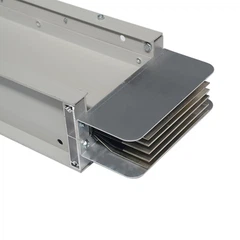
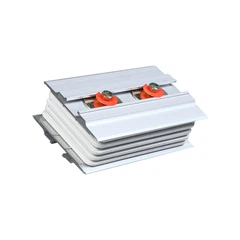
What are the characteristics of the materials used in a busway junction?
Dec 30, 2025
Leave a message
Hey there! As a supplier of busway junctions, I've had the opportunity to work closely with various materials used in these crucial components. In this blog, I'll share the characteristics of the materials commonly used in busway junctions and why they matter.
Copper: The Go - To Material
Copper is hands - down one of the most popular materials for busway junctions, and for good reasons. First off, copper has excellent electrical conductivity. This means that it can carry a large amount of electrical current with minimal resistance. When you're dealing with high - power electrical systems in commercial and industrial settings, low resistance is key. Less resistance translates to less energy loss in the form of heat. And let's face it, nobody wants to waste energy, right?
Another great thing about copper is its durability. It can withstand high temperatures without significant degradation. In a busway junction, there's always a bit of heat generated due to the flow of electricity. Copper can handle this heat stress over long periods, which means a longer lifespan for the busway junction.
Copper is also relatively easy to work with. It can be easily shaped and formed into the various parts needed for a busway junction. Whether it's creating flat bars or more complex shapes, copper can be manipulated to fit the design requirements. If you're interested in copper - based solutions, check out our Copper Bus Duct.
Aluminum: A Lightweight Alternative
Aluminum is another material that's commonly used in busway junctions. One of its biggest advantages is its weight. Aluminum is much lighter than copper, which can be a huge plus, especially when it comes to installation. Lighter components are easier to handle and transport, which can save time and labor costs during the installation process.
In terms of electrical conductivity, while aluminum doesn't conduct electricity as well as copper, it's still a decent conductor. And with proper design and sizing, aluminum busway junctions can be just as effective in carrying electrical current.
Aluminum is also resistant to corrosion. In many industrial environments, there are various chemicals and moisture that can cause corrosion. Aluminum's natural oxide layer helps protect it from these elements, ensuring the long - term performance of the busway junction.
Insulating Materials
Insulating materials are just as important as the conductive materials in a busway junction. They prevent electrical current from leaking out and causing short - circuits or other safety hazards.
One common insulating material is epoxy resin. Epoxy resin has excellent dielectric properties, which means it can effectively isolate the conductive parts of the busway junction. It's also very strong and can provide mechanical support to the bus bars. Epoxy resin can be molded into different shapes to fit the specific design of the busway junction, and it adheres well to the conductive materials.
Another popular insulating material is mica. Mica has high thermal resistance, which is crucial in a busway junction where heat is generated. It can withstand high temperatures without losing its insulating properties. Mica is also flexible, which allows it to be used in applications where there may be some movement or vibration.
Stainless Steel for Structural Support
Stainless steel is often used in busway junctions for structural support. It provides a strong and rigid framework that holds the conductive and insulating components in place.
Stainless steel is highly resistant to corrosion, making it suitable for use in harsh environments. Whether it's a wet or chemically - rich industrial setting, stainless steel can maintain its integrity over time. It also has good mechanical strength, which means it can withstand the mechanical stresses that occur during normal operation, such as vibrations and impacts.
For example, in a Busway Horizontal Elbow, stainless steel may be used to form the outer casing that protects the internal components and provides the necessary structural stability.
Bus Duct Flanges and Their Materials
Bus duct flanges play a crucial role in connecting different sections of the busway. They need to provide a secure and reliable connection that can handle the electrical and mechanical requirements.
The materials used for bus duct flanges are typically selected for their strength and conductivity. Copper and aluminum are common choices for the flange itself, as they can ensure a good electrical connection between the bus bars. The flanges also need to be able to withstand the tightening forces during installation.
Stainless steel bolts and nuts are often used to fasten the flanges together. Stainless steel provides the necessary strength and corrosion resistance to keep the connection secure over time. If you want to learn more about bus duct flanges, check out our Bus Duct Flange.
Impact of Material Choices on Performance
The choice of materials in a busway junction has a significant impact on its performance. For example, if you choose a high - conductivity material like copper, you'll have a busway junction that can handle high - power loads more efficiently. On the other hand, if weight is a major concern, aluminum may be a better choice, even though it has slightly lower conductivity.
The insulating materials also affect the safety and reliability of the busway junction. Using high - quality insulating materials like epoxy resin or mica can prevent electrical failures and ensure the long - term operation of the system.
The structural materials, such as stainless steel, determine the mechanical stability of the busway junction. A well - designed and properly constructed busway junction with strong structural support can better withstand the rigors of daily use.
Why Choose Our Busway Junctions
As a supplier, we understand the importance of using the right materials in our busway junctions. We carefully select the materials based on their performance, durability, and cost - effectiveness.
Our team of experts has years of experience in the industry, and we're constantly researching and developing new materials and designs to improve the performance of our busway junctions. Whether you need a small - scale busway junction for a commercial building or a large - scale solution for an industrial plant, we can provide you with the right product.


If you're in the market for busway junctions and want to discuss your specific requirements, we'd love to hear from you. Contact us to start a conversation about how we can meet your needs and provide you with high - quality busway junctions.
References
- Electrical Engineering Handbook, CRC Press
- Handbook of Electrical Installation Practice, Newnes
So, that's a rundown of the characteristics of the materials used in busway junctions. If you have any questions or need more information, don't hesitate to reach out. We're here to help you make the best choice for your electrical distribution needs.
Send Inquiry