

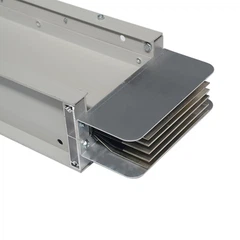
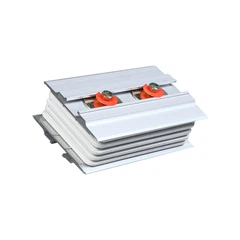
What are the adjustable parameters of a busway connector?
Oct 13, 2025
Leave a message
Hey there! As a supplier of busway connectors, I've had my fair share of experiences dealing with these nifty devices. One question that often pops up is, "What are the adjustable parameters of a busway connector?" Well, let's dive right in and break it down.
Contact Pressure
First off, contact pressure is a crucial adjustable parameter. You see, the contact pressure between the busbars and the connector determines how well electricity can flow through the system. If the pressure is too low, it can lead to high resistance, which in turn causes heat generation. And we all know that excessive heat is bad news for electrical components; it can reduce the lifespan of the connector and even pose a safety hazard.

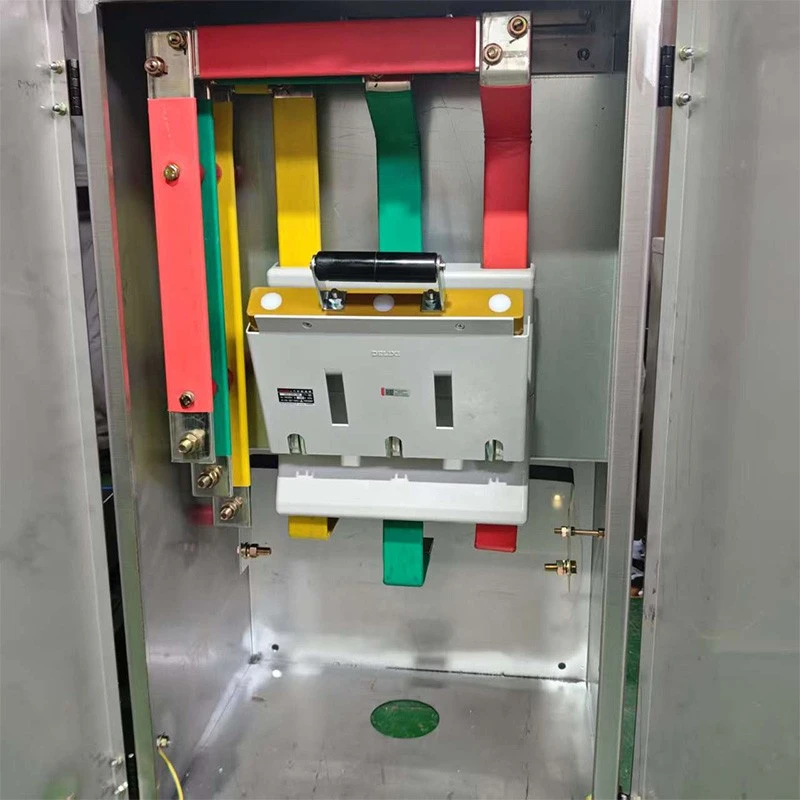
On the other hand, if the contact pressure is too high, it can damage the busbars or the connector itself. So, finding that sweet spot is essential. Most of our Aluminum Busway Connector comes with adjustable mechanisms that allow you to fine - tune the contact pressure according to your specific requirements. This is super handy because different applications may need different levels of pressure. For example, in a high - current industrial setting, you'll probably need a higher contact pressure compared to a low - current commercial application.
Alignment
Another important adjustable parameter is alignment. Proper alignment of the busbars within the connector is vital for efficient power transmission. Misaligned busbars can cause uneven current distribution, which can lead to overheating in some parts of the system.
We've designed our connectors to be adjustable in terms of alignment. You can make small adjustments to ensure that the busbars are perfectly lined up. This not only improves the performance of the connector but also reduces the risk of electrical failures. Think of it like a well - oiled machine; every part needs to be in the right place for it to work smoothly. And with our adjustable alignment feature, you can achieve that optimal setup.
Torque Settings
Torque settings are also something you can adjust on a busway connector. When you're tightening the bolts or screws that hold the connector together, the torque applied matters a great deal. If the torque is too low, the connection may become loose over time, leading to arcing and increased resistance.
Conversely, if you over - torque the bolts, you can damage the connector or the busbars. That's why our connectors come with recommended torque values, and in some cases, you can adjust the torque settings to match the specific installation conditions. This gives you more control over the installation process and helps ensure a reliable connection.
Insulation Resistance
Insulation resistance is a parameter that can have a significant impact on the safety and performance of a busway connector. The insulation around the connector prevents electrical leakage and protects against short - circuits.
We offer Busway Connector Insulation Plate that can be adjusted in terms of their insulation properties. You can choose different types of insulation materials and thicknesses depending on the voltage and environmental conditions of your application. For example, in a humid or corrosive environment, you'll want an insulation material that can withstand those harsh conditions. By adjusting the insulation resistance, you can enhance the overall reliability of the busway system.
Temperature Rating
The temperature rating of a busway connector is another adjustable aspect. Different applications generate different amounts of heat, and the connector needs to be able to handle that heat without degrading.
Our connectors can be adjusted to have different temperature ratings. You can select a connector with a higher temperature rating for high - power applications where a lot of heat is produced. This ensures that the connector won't fail due to overheating. It's like choosing the right tool for the job; you need a connector that can handle the heat generated by your specific electrical system.
Phase Spacing
Phase spacing is an adjustable parameter that affects the electrical performance of the busway connector. The distance between the phases (the different electrical conductors) can impact the impedance and the electromagnetic interference (EMI) in the system.
We provide connectors where you can adjust the phase spacing. By changing the phase spacing, you can optimize the electrical performance of the system. For example, reducing the phase spacing can decrease the impedance, which is beneficial for high - current applications. However, you also need to be careful not to reduce the spacing too much, as it can increase the risk of short - circuits.
Current Rating
The current rating of a busway connector is a parameter that you can often adjust to some extent. The current rating indicates the maximum amount of electrical current that the connector can safely carry.
Depending on your application, you may need a connector with a higher or lower current rating. Our connectors are designed in such a way that you can make some adjustments to the current - carrying capacity. This is really useful because it allows you to use the same basic connector design for different applications, saving you time and money.
Environmental Sealing
In many applications, the busway connector needs to be protected from the environment. Dust, moisture, and other contaminants can damage the connector and affect its performance.
That's why we offer connectors with adjustable environmental sealing. You can choose different levels of sealing depending on the environment where the connector will be installed. For example, in an outdoor or dusty industrial environment, you'll want a connector with a high - level of sealing to prevent dust and moisture from getting in. Our adjustable sealing feature gives you the flexibility to adapt the connector to your specific environmental conditions.
Voltage Rating
The voltage rating of a busway connector is yet another adjustable parameter. Different electrical systems operate at different voltages, and the connector needs to be able to handle the voltage without breaking down.
Our connectors can be adjusted to have different voltage ratings. You can select a connector with a voltage rating that matches the voltage of your electrical system. This is crucial for ensuring the safety and reliability of the power transmission. Using a connector with a lower voltage rating than required can lead to electrical breakdowns, while using one with a much higher rating may be overkill and more expensive.
Flexibility
Flexibility is an important adjustable parameter, especially in applications where the busway system may need to be moved or adjusted over time. Our connectors offer some degree of flexibility.
You can adjust the flexibility of the connector to accommodate different installation requirements. For example, in a building where the electrical system may need to be reconfigured in the future, a more flexible connector can make the changes easier. It's like having a connector that can bend and adapt to your needs, rather than being a rigid and inflexible component.
Conclusion
So, as you can see, there are quite a few adjustable parameters on a busway connector. These parameters give you the flexibility to customize the connector to fit your specific application requirements. Whether you're dealing with high - current industrial settings, low - current commercial applications, or harsh environmental conditions, our busway connectors can be adjusted to meet your needs.
If you're in the market for a busway connector and have specific requirements regarding these adjustable parameters, don't hesitate to reach out. We're here to help you find the perfect connector for your project. You can also check out our Busway Feeder Box which is an essential part of many busway systems. Let's have a chat and see how we can work together to get you the best busway solution.
References
- Electrical Engineering Handbook, various editions
- Industry standards and guidelines for busway connectors
Send Inquiry