

How to reduce the noise of Lighting Bus Duct?
May 11, 2026
Leave a message
As a seasoned Lighting Bus Duct supplier, I understand the challenges associated with noise in lighting bus duct systems. Noise can not only be a nuisance but also an indicator of potential inefficiencies or even safety issues within the system. In this blog, I'll share some effective strategies to reduce the noise of lighting bus ducts, drawing on my industry experience and knowledge.
Understanding the Sources of Noise in Lighting Bus Ducts
Before we delve into the solutions, it's crucial to understand where the noise in lighting bus ducts comes from. There are several common sources:
Electromagnetic Forces
When alternating current flows through the conductors in a lighting bus duct, electromagnetic forces are generated. These forces can cause the conductors to vibrate, resulting in audible noise. The magnitude of these forces depends on factors such as the current magnitude, the distance between conductors, and the frequency of the alternating current.
Mechanical Vibration
The physical structure of the lighting bus duct can also contribute to noise. Loose connections, improper installation, or the use of low - quality materials can lead to mechanical vibrations. For example, if the bus duct is not properly supported or if the joints are not tightly secured, it can vibrate and produce noise.
Airflow and Ventilation
In some cases, the movement of air within the bus duct can create noise. This is especially true in systems with forced ventilation. The air rushing through the duct can cause whistling or humming sounds, especially if there are obstructions or irregularities in the airflow path.
Strategies to Reduce Noise in Lighting Bus Ducts
Optimize Conductor Design
One of the most effective ways to reduce noise caused by electromagnetic forces is to optimize the conductor design. Using conductors with a larger cross - sectional area can reduce the current density, which in turn reduces the electromagnetic forces. Additionally, arranging the conductors in a way that minimizes the magnetic field interaction can also help. For example, using a balanced three - phase configuration can reduce the net magnetic field and thus the vibration of the conductors.
Another approach is to use conductors with a low - resistance material. Materials like copper are commonly used in lighting bus ducts because of their excellent electrical conductivity. A lower resistance means less power loss and less heat generation, which can also contribute to reduced noise.
Improve Mechanical Installation
Proper mechanical installation is crucial for reducing noise caused by mechanical vibration. When installing the lighting bus duct, it's important to ensure that all connections are tight and secure. Use high - quality fasteners and gaskets to prevent any movement or rattling.
The bus duct should also be properly supported. Adequate support structures can help absorb vibrations and prevent them from being transmitted to the surrounding environment. For example, using flexible mounts or vibration - isolating pads can significantly reduce the noise level.
Enhance Airflow Management
To reduce noise caused by airflow, it's important to design the ventilation system carefully. Make sure that the airflow path is smooth and free of obstructions. Use proper duct sizing and shape to ensure uniform airflow. Additionally, installing silencers or mufflers in the ventilation system can help absorb and reduce the noise generated by the airflow.
Select High - Quality Materials
Using high - quality materials for the lighting bus duct can also make a significant difference in noise reduction. High - grade insulation materials can not only improve the electrical performance of the bus duct but also help dampen vibrations. For example, using rubber or foam insulation can absorb the energy of the vibrations and reduce the noise level.
Case Studies and Real - World Examples
Let's take a look at some real - world examples of how these strategies have been applied to reduce noise in lighting bus duct systems.
In a large commercial building, the lighting bus duct system was experiencing excessive noise. After a thorough inspection, it was found that the conductors were not properly arranged, and the mechanical connections were loose. The engineers redesigned the conductor layout to minimize the magnetic field interaction and tightened all the connections. They also installed vibration - isolating mounts to support the bus duct. As a result, the noise level was significantly reduced, and the occupants of the building reported a more comfortable environment.
In another case, a manufacturing plant was facing noise issues due to the airflow in the lighting bus duct ventilation system. The engineers installed silencers in the ventilation ducts and optimized the airflow path. This reduced the whistling and humming sounds, making the working environment quieter.
Importance of Noise Reduction in Lighting Bus Ducts
Reducing the noise of lighting bus ducts is not just about creating a more comfortable environment. It also has several practical benefits.
Energy Efficiency
A noisy lighting bus duct system may indicate inefficiencies in the electrical system. By reducing the noise, we can often improve the energy efficiency of the system. For example, reducing the electromagnetic forces and mechanical vibrations can reduce power losses, which in turn can save energy and lower operating costs.
Equipment Lifespan
Excessive noise can be a sign of mechanical stress and wear on the bus duct components. By reducing the noise, we can extend the lifespan of the equipment. This means fewer replacements and lower maintenance costs in the long run.
Safety
Noise can sometimes be an indicator of potential safety issues in the lighting bus duct system. For example, loose connections or overheating can cause noise, and these issues can lead to electrical failures or even fires. By reducing the noise and addressing the underlying issues, we can improve the safety of the system.
Product Recommendations
As a Lighting Bus Duct supplier, I would like to recommend some of our high - quality products that can help reduce noise in lighting bus duct systems.
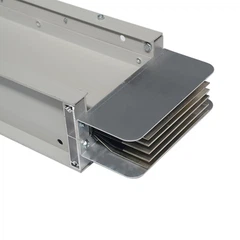
- 3 - Phase Air - Insulated Bus Duct: This product is designed with optimized conductor arrangements and high - quality insulation materials to reduce electromagnetic noise. It also has a robust mechanical structure to minimize mechanical vibrations.
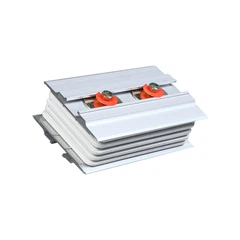
- Air - Insulated Busway Tap Off Unit: Our tap - off unit is designed to provide a reliable and low - noise connection to the lighting bus duct system. It is made of high - quality materials and has a precise design to ensure smooth electrical operation.
- Air - Insulated Bus Duct Feeder Unit: This feeder unit is engineered to deliver power efficiently and quietly. It features advanced conductor technology and excellent mechanical stability to reduce noise.
Conclusion
Reducing the noise of lighting bus ducts is a multi - faceted challenge that requires a comprehensive approach. By understanding the sources of noise, implementing effective strategies such as optimizing conductor design, improving mechanical installation, enhancing airflow management, and using high - quality materials, we can significantly reduce the noise level of lighting bus duct systems.


If you are interested in learning more about our lighting bus duct products or have any questions about noise reduction in your lighting bus duct system, please feel free to contact us for a detailed discussion and potential procurement. We are committed to providing high - quality solutions to meet your needs.
References
- Electrical Installation Handbook, Schneider Electric
- Handbook of Electrical Engineering, McGraw - Hill
- IEEE Standards for Electrical Distribution Systems
Send Inquiry